
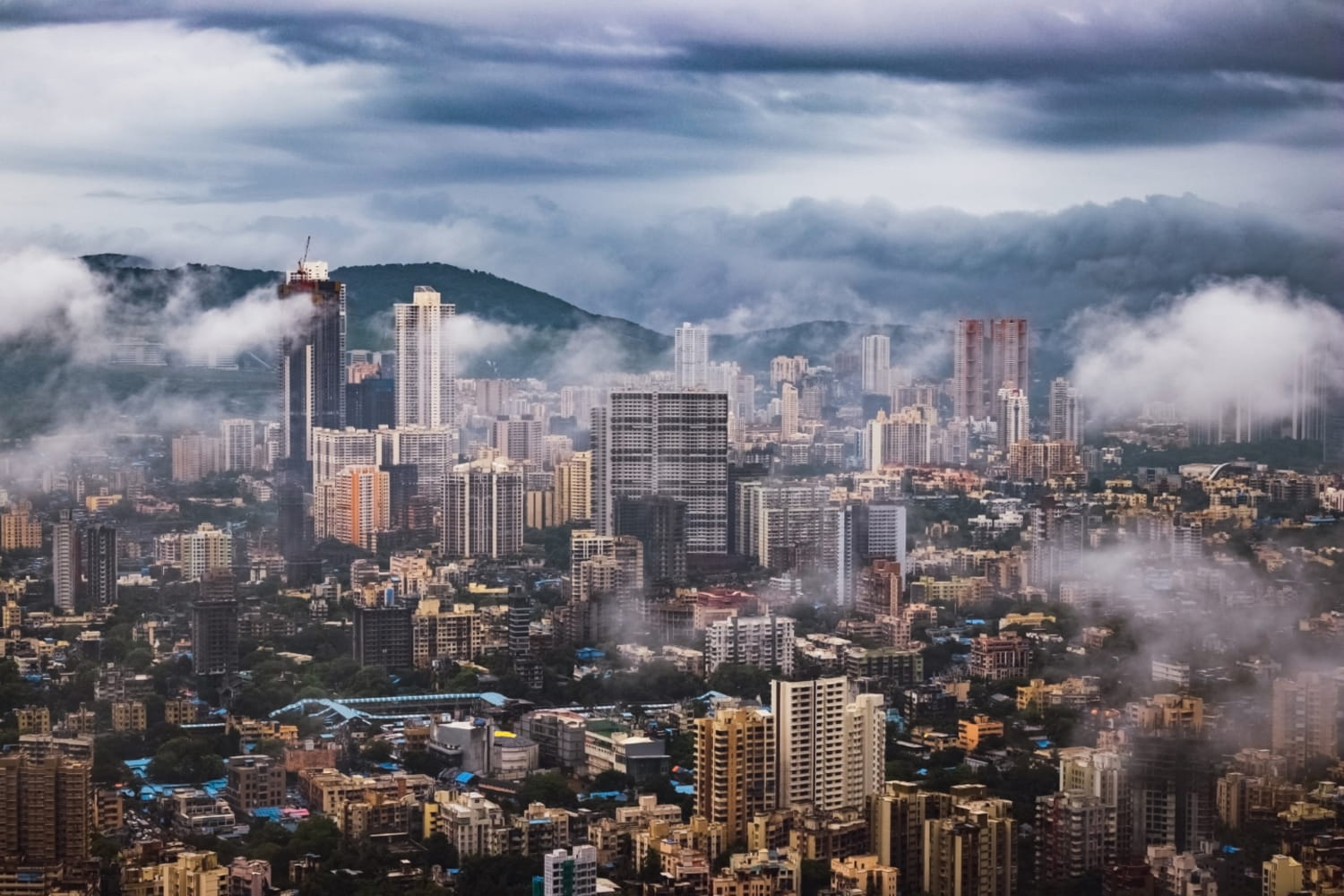
India is far more than a single nation—it is an entire subcontinent within one country’s borders where millennia-old traditions seamlessly intertwine with cutting-edge technology and spiritual depth coexists alongside rapid modernization. You might not have known that this remarkable land serves as the cradle of one of humanity’s oldest urban civilizations while simultaneously standing as a global powerhouse in information technology and software development. Every corner of India tells its own distinctive story through architectural marvels, culinary traditions, linguistic diversity, and spiritual practices refined over countless generations. Today we will explore incredible facts that will transform your understanding of this multifaceted country often misunderstood by outsiders. Prepare for a journey across time and space where each revelation opens a new window into India’s extraordinary soul.
- India is home to the world’s earliest urban civilization known as the Indus Valley Civilization which flourished more than five thousand years ago. Archaeological excavations at Mohenjo-daro and Harappa revealed sophisticated city planning with advanced drainage systems and standardized brick construction. This civilization thrived centuries before the construction of Egypt’s great pyramids and Mesopotamia’s Sumerian cities emerged. Its undeciphered script remains one of archaeology’s greatest mysteries with scholars still working to unlock its linguistic secrets.
- India officially recognizes twenty-two languages in its constitution while more than nineteen thousand five hundred languages and dialects are spoken across its diverse regions. Hindi and English serve as the official languages for federal government operations though individual states may designate their own official languages based on local demographics. This extraordinary linguistic diversity makes India one of the most polyglot nations on Earth with entire language families existing within its borders. Many Indians grow up speaking three or more languages fluently as part of daily life.
- The Taj Mahal ranks among the seven wonders of the modern world and was commissioned by Mughal emperor Shah Jahan as a mausoleum for his beloved wife Mumtaz Mahal who died during childbirth. Construction required twenty-two years and employed more than twenty thousand artisans and laborers from across India and Central Asia. The pristine white marble structure transforms its appearance throughout the day shifting from soft pink at dawn to brilliant white at noon and warm gold at sunset. Legend claims Shah Jahan planned to build a mirror-image black marble Taj Mahal across the river but his son imprisoned him before this vision could materialize.
- India stands as the only country where monkeys are widely revered as sacred animals due to their association with Hanuman the monkey god in Hindu mythology. These primates roam freely through urban centers entering shops temples and even government buildings without interference. The city of Vrindavan hosts a temple complex housing more than fifteen thousand monkeys that receive daily offerings of food from devoted pilgrims. This unique human-wildlife coexistence reflects India’s profound philosophical connection between spirituality and the natural world.
- Indian cuisine displays extraordinary regional diversity with each area developing distinctive dishes and spice combinations shaped by climate geography and historical influences. Southern states favor rice-based meals with coconut milk and tamarind while northern regions emphasize wheat breads and rich meat preparations. Ancient Indians pioneered sugar extraction techniques from sugarcane as early as the first millennium BCE long before this knowledge reached Europe. Many traditional dishes exclude garlic and onions particularly in Jain and certain Hindu communities following principles of sattvic purity.
- India operates the world’s largest democracy with over nine hundred million eligible voters participating in national elections. The electoral process often spans several weeks due to the country’s vast geography and the logistical challenge of securing more than one million polling stations. Election authorities sometimes establish single-voter polling booths in remote Himalayan villages to ensure every citizen’s right to vote is honored. The inaugural general elections of 1951-1952 involved over one hundred seventy-three million registered voters making it history’s largest democratic exercise at that time.
- India features the world’s longest train route without transfers running from Kanyakumari at the southern tip to Jammu in the northern Himalayan foothills. This remarkable journey covers more than thirty-nine hundred kilometers and requires approximately sixty-eight hours of continuous travel. Indian Railways ranks as the world’s fourth largest rail network transporting over twenty-three million passengers daily across its extensive tracks. Certain mountain routes traverse breathtaking landscapes including the UNESCO-listed Darjeeling Himalayan Railway nicknamed the Toy Train.
- India is the birthplace of chess which originated in the sixth century CE under the name chaturanga meaning four divisions of the military. The game traveled westward along trade routes to Persia where it became known as shatranj before eventually reaching medieval Europe. Modern chess rules including the queen’s powerful movement were standardized only in fifteenth century Spain transforming the game into its contemporary form. Indian grandmaster Viswanathan Anand became Asia’s first world chess champion cementing India’s continued excellence in this ancient intellectual pursuit.
- Kerala a state on India’s southwestern Malabar Coast achieved one hundred percent literacy among its adult population making it unique globally. This milestone resulted from a comprehensive educational reform in nineteen ninety-one that made schooling compulsory and free for all children. Kerala also preserves ancient systems of Ayurvedic medicine and specialized massage therapies recognized worldwide for their healing properties. The state’s lush backwaters serene beaches and rolling hills have earned it the nickname India’s Switzerland among travelers.
- India maintains its own national calendar alongside the Gregorian calendar for official governmental purposes. Adopted in nineteen fifty-seven this Saka calendar combines elements of both solar and lunar timekeeping systems. The Indian new year begins in March coinciding with the vibrant Vaisakhi festival celebrated across northern states. Individual states often follow regional calendars for agricultural planning and religious observances creating a fascinating temporal diversity within a single nation.
- The city of Jodhpur in Rajasthan hosts the world’s largest open-air museum known as the Desert Museum spanning over twenty-five thousand square meters. This extraordinary complex preserves the traditional lifestyle of Thar Desert nomadic communities through authentic exhibits of dwellings tools and transportation methods. Visitors can explore centuries-old camel saddles handwoven textiles and musical instruments used by desert tribes for generations. The museum serves as a vital repository for cultural heritage that might otherwise vanish as modernization transforms rural lifestyles.
- India leads global film production releasing over two thousand motion pictures annually in more than twenty distinct languages. Bollywood centered in Mumbai produces Hindi-language films but regional industries like Tollywood Telugu cinema and Kollywood Tamil cinema enjoy massive popularity. Indian films typically blend multiple genres within a single production incorporating drama romance comedy music and dance sequences in the distinctive masala style. The entertainment industry generates billions annually and exports Indian culture to diaspora communities worldwide.
- The state of Meghalaya features the world’s longest living root bridges crafted entirely from the aerial roots of rubber fig trees. Indigenous Khasi and Jaintia tribes guide these pliable roots across swift mountain streams weaving them into durable bridge structures over generations. Some bridges have existed for more than five centuries and can support the weight of fifty people simultaneously. Unlike conventional bridges these living structures actually strengthen with age as the roots continue growing and thickening naturally.
- India contains the world’s only fully vegetarian city Palitana in Gujarat state where the sale and consumption of meat eggs and even root vegetables are prohibited. This sacred Jain pilgrimage site sits atop Shatrunjaya Hill accessible via more than three thousand stone steps carved into the mountainside. Over sixty thousand residents adhere strictly to ahimsa the principle of non-violence toward all living beings including microscopic organisms. Even cooking after sunset is traditionally avoided to prevent accidentally harming nocturnal insects.
- India’s national emblem the Ashoka Chakra features twenty-four spokes representing the eternal wheel of law and righteousness. This symbol originates from a lion capital atop an Ashokan pillar dating to the third century BCE discovered at Sarnath. Each spoke embodies a moral virtue including love courage patience and justice forming a philosophical guide for national conduct. The chakra appears at the center of India’s saffron-white-green tricolor flag which must never touch the ground or be used for commercial advertising purposes.
- India gave the world the mathematical concept of zero as a number rather than merely a placeholder symbol. Seventh century mathematician Brahmagupta first defined zero’s properties and arithmetic operations in his seminal work the Brahmasphutasiddhanta. This revolutionary idea enabled the development of algebra calculus and eventually computer science forming the foundation of modern mathematics. The Indian decimal numeral system later traveled to the Arab world and subsequently to Europe where it became known as Arabic numerals.
- Kerala’s backwaters form a unique agricultural ecosystem called kayal comprising interconnected canals lakes and lagoons spanning over nine hundred kilometers. This natural irrigation network has supported rice cultivation and transportation for centuries with traditional houseboats still navigating its tranquil waters. Riverside communities maintain stilt houses coconut groves and paddy fields creating a harmonious landscape recognized by UNESCO as a World Heritage site. The backwaters exemplify sustainable water management practices developed over generations.
- India maintains distinctive age-based festival traditions celebrating major life milestones particularly every twelfth year of existence. The Kumbh Mela occurring every twelve years at four sacred river confluences attracts over one hundred million pilgrims making it humanity’s largest peaceful gathering. Participants believe bathing in these holy waters during the astrologically determined festival cleanses lifetimes of accumulated karma. Other celebrations honor fifty-year silver jubilees seventy-year platinum milestones and even centenarian achievements with special religious ceremonies.
- Jaisalmer in Rajasthan features the world’s only fully inhabited fortified city with over four thousand residents living within its ancient sandstone walls. Known as Sonar Quila or the Golden Fort this twelfth century citadel glows honey-gold in sunlight and contains homes temples schools and bustling markets within its defensive perimeter. Approximately one third of inhabitants are descendants of the original Rajput warriors who defended this desert stronghold for centuries. The fort remains one of very few continuously occupied medieval fortifications anywhere on Earth.
- India produces more than seventy percent of the world’s spices earning its historical reputation as the land of spices that inspired global exploration. Kerala’s Western Ghats yield premium black pepper cardamom and cinnamon while other regions specialize in turmeric chili and saffron cultivation. Kerala alone supplies over fifty percent of the planet’s black pepper production maintaining agricultural traditions dating back millennia. These aromatic treasures were once valued like gold and motivated European navigators to discover new sea routes to the East.
These fascinating facts merely begin to reveal India’s profound complexity a civilization that has preserved its ancient wisdom while dynamically engaging with contemporary global challenges. The country’s ability to maintain cultural continuity amidst extraordinary diversity offers valuable lessons about coexistence and adaptation in our interconnected world. India reminds us that true national strength emerges not merely from economic metrics but from the depth of cultural memory and spiritual resilience. The extraordinary harmony India achieves between timeless tradition and bold innovation continues to inspire seekers of knowledge and lovers of human diversity across our planet.


