
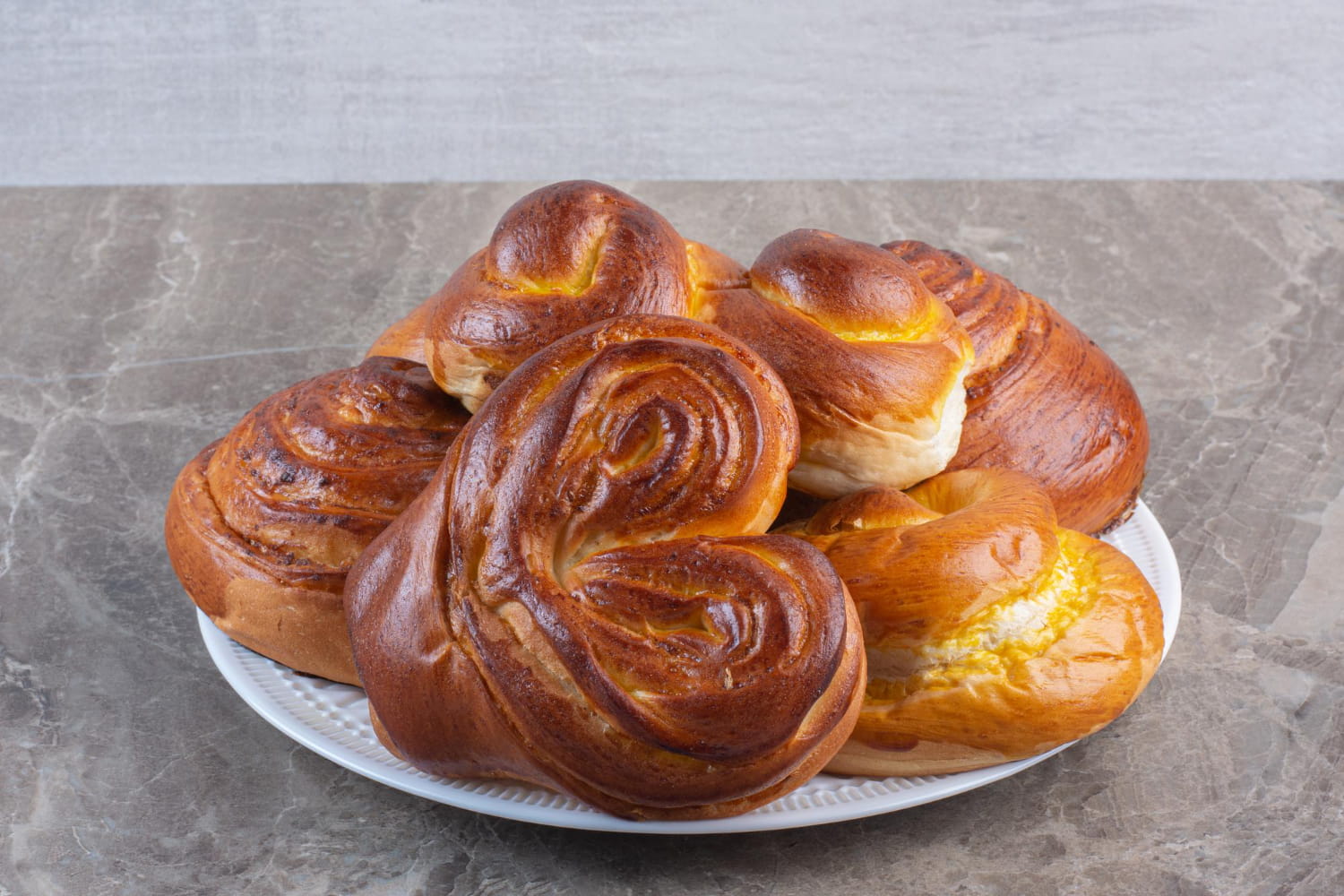
Buns have accompanied humanity for thousands of years, evolving from a simple bread product into a true culinary phenomenon that unites cultures and generations. These aromatic dough-based treats hide many secrets that you might not know about until today. Amazing facts about buns reveal their history, preparation technologies, and cultural significance across different corners of the world. Fascinating facts will help you look at this familiar product from a fresh perspective and understand why it remains so popular. Interesting facts compiled below will be useful for both home baking enthusiasts and professional culinary specialists.
- The oldest archaeological findings indicate that prototypes of modern buns appeared in ancient Egypt approximately four thousand years ago. Egyptian bakers were the first to learn how to use yeast to give dough fluffiness and lightness, which represented a revolution in culinary arts. These early products often had ring or ball shapes and were prepared over open flames or in clay ovens. Subsequently, recipes spread through trade routes to Greece and Rome, where they acquired new forms and flavors.
- The word bun derives from an Old Slavic root meaning a rounded or convex object, which perfectly describes the shape of this product. In different languages around the world, names for similar items are often connected to their size or preparation method. For example, the English word bun may have Celtic roots, which emphasizes the ancient nature of this dish. Etymological research helps trace the migration of culinary traditions between different peoples.
- The classic technology for preparing buns requires maintaining precise proportions of flour, water, yeast, and salt to achieve ideal texture. The dough must go through several fermentation stages to develop necessary gluten and become saturated with air. Experienced bakers determine dough readiness by touch, which requires years of practice and sensitivity to the material. Violating any stage can lead to an excessively dense or dry result.
- In medieval Europe, buns often carried symbolic meaning and were used during religious holidays and ceremonies. For example, hot cross buns with raisins are traditionally baked for Easter as a symbol of suffering and resurrection. In Scandinavian countries, saffron buns shaped like the letter S are an integral part of Christmas traditions. Such culinary customs preserve cultural memory and are passed down from generation to generation.
- The variety of fillings for buns is impressive in its breadth and includes sweet options with fruits, chocolate, and nuts, as well as savory versions with cheese, meat, or vegetables. Each culture offers unique combinations that reflect local taste preferences and available ingredients. In France, butter croissants are popular, while in Germany, people value buns with poppy seeds or caraway. This diversity makes buns a universal product suitable for any meal.
- Scientific research has proven that the aroma of freshly baked buns activates brain centers responsible for feelings of comfort and pleasure. This effect is connected to the release of volatile compounds during baking that stimulate olfactory receptors. This is precisely why the smell of homemade baked goods is often associated with home warmth and childhood memories. Many restaurants specifically bake buns before opening to attract customers with a pleasant aroma.
- Professional bakers use special stones or brick surfaces for baking buns, which ensures even heat distribution and an ideal crust. The temperature in the oven must be precisely calibrated because even small deviations can change the texture of the product. Steam generated at the beginning of baking helps the dough rise and creates a glossy surface. These technical nuances distinguish artisanal baking from mass production.
- In some regions of the world, buns serve not only as food but also as tools for social rituals and communication. For example, in the United Kingdom, the tradition of afternoon tea with buns and jam is an important part of social etiquette. In Japan, the art of preparing perfect buns is considered a form of meditation and self-improvement. Such practices emphasize that food can unite people on a deep emotional level.
- The nutritional value of buns depends on flour quality and additional ingredients, which is why whole grain versions are often considered healthier than white ones. The content of fiber, B vitamins, and minerals makes them a valuable energy source for an active lifestyle. However, excessive consumption of sweet buns can lead to dietary imbalance, so moderation is important. Nutritionists recommend combining buns with protein products for better absorption of nutrients.
- Modern technologies allow creating buns from nontraditional ingredients such as gluten-free flour, protein additives, or plant-based egg substitutes. These innovations make baking accessible to people with dietary restrictions or special nutritional needs. Manufacturers experiment with functional additives to increase product benefits without losing taste qualities. Such an approach opens new horizons for culinary creativity and inclusivity.
- The record for preparing the largest bun in history belongs to Mexican bakers who created a product weighing more than one and a half tons. This required special equipment, a huge quantity of ingredients, and coordination of an entire team of professionals. The finished product was presented at a public festival and shared among thousands of celebration participants. Such large-scale projects demonstrate the mastery and innovative potential of modern baking craft.
- In literature and art, buns often appear as symbols of prosperity, hospitality, or nostalgia for the past. Classic works describe scenes where heroes share buns as gestures of friendship or reconciliation. Modern authors also use this image to create an atmosphere of coziness and home warmth. Culinary metaphors help readers better feel the emotional subtext of a literary work.
- Seasonal variations of buns reflect nature’s cycles and the availability of fresh products at different times of the year. In spring, items with rhubarb and strawberries are popular, in autumn with pumpkin and spices, and in winter with candied fruits and spices. Bakers follow the ripening calendar of fruits and berries to offer customers the freshest fillings. This harmony with nature makes each bun a unique reflection of the season.
- The art of decorating buns includes using glaze, sprinkles, seeds, and edible flowers to create visually appealing products. Professional confectioners spend hours developing designs that combine aesthetics with taste qualities. Social media have contributed to popularizing creative approaches to baked goods decoration, inspiring amateurs to experiment. Such creativity transforms an ordinary bun into a genuine work of art.
- Historically, buns served as convenient food for travelers, workers, and soldiers thanks to their compactness and nutritional value. They did not require additional dishes for consumption and maintained freshness for extended periods. During wartime, buns were often the main source of calories for populations facing shortages. This practicality secured their place in military rations and expedition supplies worldwide.
- Research shows that the process of kneading dough for buns has a therapeutic effect and helps reduce stress levels. Rhythmic hand movements and concentration on the task promote a meditative state and distract from anxious thoughts. Many people find in home baking a way for creative self-expression and relaxation after a difficult day. This aspect makes bun preparation beneficial not only for the body but also for the soul.
- Globalization of culinary traditions has led to the emergence of hybrid bun types that combine elements from different cultures in a single product. For example, Asian bakeries offer buns with green tea or red bean fillings adapted for Western tastes. Such innovations expand consumers’ culinary horizons and promote cultural exchange through food. Experiments with flavor combinations open new possibilities for the baking industry.
- Ecological initiatives in the baking craft include using local ingredients, reducing food waste, and transitioning to eco-friendly packaging. Many bakeries implement programs for recycling dough leftovers or donating unsold baked goods to charitable organizations. Conscious consumption is becoming an important selection factor for modern buyers, which influences manufacturers’ strategies. These efforts help preserve the planet for future generations.
Fascinating facts about buns demonstrate how this seemingly simple product has become an integral part of global culinary culture. Amazing facts emphasize that behind every bite lies rich history, scientific knowledge, and human creativity. Interesting facts inspire appreciating the art of baking and experimenting with new recipes in your own kitchen. This collection of knowledge serves as a solid foundation for those who seek to understand the world of culinary arts more deeply and integrate useful habits into their everyday lives.


