
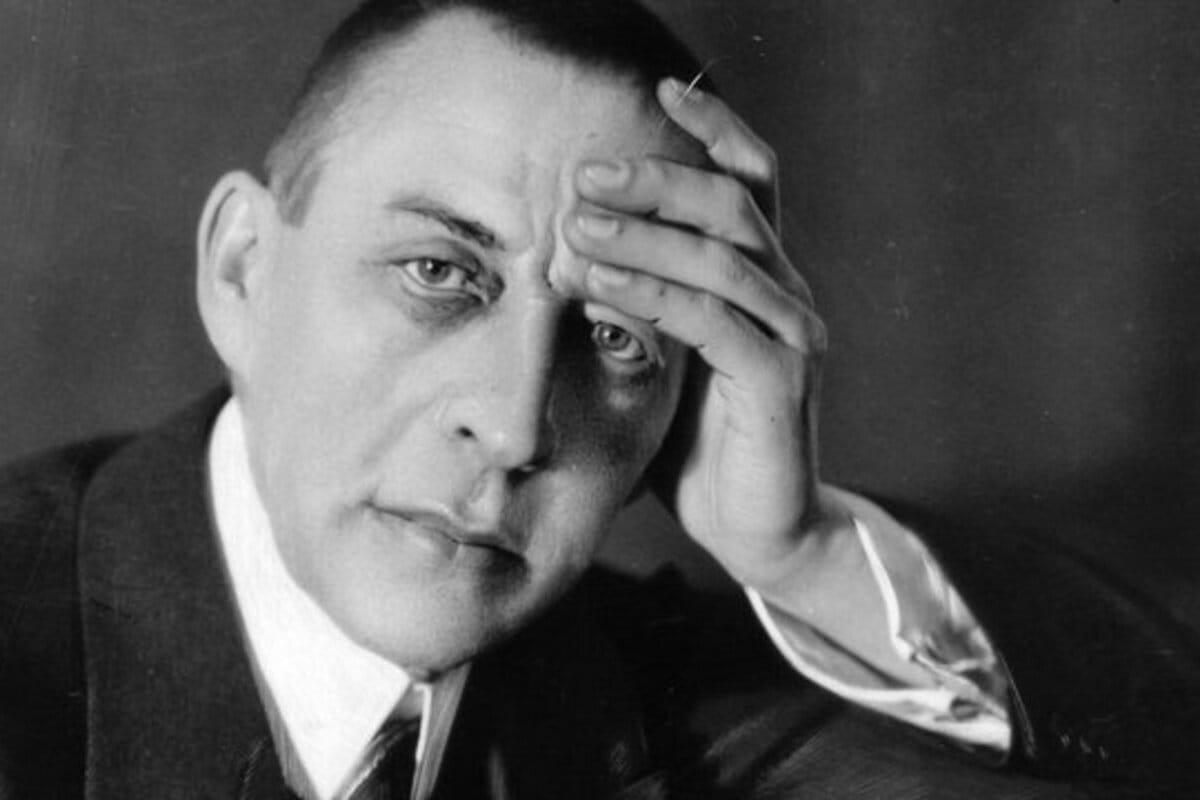
The musical legacy of Sergei Rachmaninoff continues to captivate audiences with its profound depth and emotional power more than a century after his birth. His life story is filled with creative triumphs, personal struggles, and remarkable achievements that you might not know about until now. Fascinating facts about this brilliant composer reveal not only his professional mastery but also the unique qualities of his character. The interesting facts compiled below will help you see the man who forever transformed the world of classical music from a fresh perspective. These amazing details will deepen your appreciation for an artist whose work remains timeless and universally beloved.
- He was born into a noble family in northern Russia but spent his childhood amid constant financial hardships following his father’s bankruptcy. The future genius left his family home at an early age and enrolled at the Moscow Conservatory where he studied under distinguished teachers. His initial steps into serious music were accompanied by doubts yet his persistence helped him overcome every obstacle in his path.
- His graduation work became the opera Aleko which he composed in a single summer and received the highest mark from the examination committee. Tchaikovsky personally praised this composition and facilitated its staging at the Bolshoi Theatre. The young author could not have imagined at that time that this very work would open the door to professional recognition for him.
- His First Symphony faced devastating criticism after its premiere which caused the composer to fall into deep depression and lose faith in his own abilities. Treatment by the renowned psychiatrist Nikolai Dahl helped restore his creative energy through hypnosis and regular therapy sessions. Following his recovery he created his famous Second Piano Concerto which brought him worldwide fame and acclaim.
- His hands were renowned for their extraordinary span since his fingers could simultaneously cover an interval of twelve keys on the keyboard. This physiological trait allowed him to perform complex chords and arpeggios that were inaccessible to ordinary pianists. For this reason his compositions demand virtuosic technique and flawless coordination from performers who attempt to play them.
- The composer left Russia permanently after the revolutionary events taking with him only a few notebooks of sheet music and personal belongings. He settled in the United States where he quickly adapted to his new life though he never fully mastered the English language. Nostalgia for his homeland became the primary source of inspiration for his later compositions written in exile.
- He held the position of conductor with the Boston Symphony Orchestra but resigned due to the excessive number of rehearsals that interfered with his compositional work. The orchestra management demanded a strict schedule that left no time for writing his own music. This experience convinced him to focus exclusively on solo performances and his original compositions going forward.
- Rachmaninoff considered himself primarily a composer though the public perceived him first and foremost as a virtuoso pianist. He regularly declined prestigious teaching offers in order to preserve his freedom for creative exploration. His internal conflict between performing excellence and compositional calling persisted throughout his entire life and career.
- The famous Third Piano Concerto is often called the most difficult piece in the world literature for keyboard instruments. The composer himself performed it for the first time at its American premiere proving that physical endurance could overcome any technical barriers. Modern pianists still study this work as the standard of virtuosity and emotional depth in the piano repertoire today.
- He paid enormous attention to the acoustics of concert halls and never performed in venues that did not meet his standards for sound quality. Before each concert the composer carefully checked the placement of the piano and its distance from the walls. This meticulousness ensured the ideal resonance of every chord during live performances for his devoted audiences.
- Rachmaninoff was known for his strictness toward subordinate musicians and demanded absolute discipline during orchestral rehearsals. He could not tolerate improvisation or deviations from the musical score insisting on precise execution of every nuance. Such an approach guaranteed high quality in the sound produced but often created tension within the ensemble he directed.
- His private library contained thousands of volumes including rare editions of literature philosophy and music theory texts. The composer regularly read classics of Russian literature seeking inspiration in their texts for his future compositions. These intellectual pursuits directly influenced the atmosphere and emotional character of his symphonic poems and orchestral works.
- He recorded many of his own compositions on early mechanical pianolas leaving a unique audio legacy for future generations to study. The composer personally supervised the recording process demanding that technicians accurately reproduce dynamics and tempo markings. These historic rolls are still examined by performers today as the definitive standard for interpreting his music authentically.
- The composer owned several estates in Switzerland and America where he created most of his late masterpieces in complete isolation from the outside world. He avoided social events preferring the tranquility of nature and regular walks along forest paths for his daily routine. Such a secluded lifestyle fostered deep concentration and the birth of profound musical ideas that define his later style.
- His final composition the Symphonic Dances is filled with quotations from Orthodox church services and personal musical motifs from earlier years. The composer embedded deep philosophical subtext into the score reflecting on life death and eternity throughout the piece. The premiere of this work passed without the expected triumph but it later gained recognition as one of his most important masterpieces.
- Rachmaninoff died in California from melanoma leaving behind an unfinished sketch of a piece that never saw the light of day. His last words concerned care for his family and gratitude toward listeners who had always supported his creative endeavors. The burial took place in New York yet spiritually the composer’s heart remained inseparably connected to his native Russian soil.
Amazing facts about the master’s life journey emphasize how true art can transcend boundaries of time and geography. Fascinating details about his creative output inspire new generations of admirers to pursue their own quests for harmony and excellence. These interesting facts remain a living part of our cultural heritage that will never lose its relevance for humanity across the ages.


