
In the northwestern part of North America lies a land of incredible contrasts, where glaciers border active volcanoes and polar night gives way to round-the-clock sunlight. Alaska amazes with its wild nature, abundance of mineral resources, and unique culture of indigenous peoples. You might not know that this region has a fascinating history spanning from the Russian colonial period to its current status as a U.S. state. We invite you to immerse yourself in a world of amazing facts that will reveal the true essence of this magnificent territory to you. These interesting facts will help you better understand the uniqueness of Alaska and its place in world history.
- Alaska is the largest state in the United States by area, which exceeds one million seven hundred thousand square kilometers, making it larger than the combined territory of twenty-two smaller states. Despite such vast dimensions, the population density here is one of the lowest in the world, with fewer than one million people residing across the entire territory. The majority of the land remains untouched wilderness, making the region a true paradise for adventure enthusiasts. It is precisely here that enormous resources are concentrated, playing a key role in the nation’s economy.
- This region was purchased by the United States from the Russian Empire in eighteen sixty-seven for seven million two hundred thousand dollars. The deal, known as the Alaska Purchase, initially sparked skepticism, as many considered the acquisition a wasteful expenditure of funds. However, it later turned out that the land contained vast reserves of gold, oil, and other valuable resources. Today Alaska represents a strategically important region for the United States from both economic and military perspectives.
- The highest peak in North America, Mount Denali, is located precisely in Alaska and rises six thousand one hundred ninety meters above sea level. This gigantic granite massif attracts mountaineers from around the world, although summiting it is considered one of the most challenging endeavors. Climatic conditions on the mountain are extremely harsh, with temperatures that can drop below minus forty degrees. The name Denali originates from the language of the indigenous Athabascan people and means great or high.
- Alaska has registered more than three million lakes, making this state the world leader in the number of water bodies in this category. Many of these lakes are of glacial origin and amaze visitors with their crystal-clear waters and picturesque shorelines. The largest among them is Lake Iliamna, whose area exceeds two thousand six hundred square kilometers. These water resources play an important role in sustaining unique ecosystems and supporting fishing industries.
- The Northern Lights, or aurora borealis, represent one of the most impressive natural phenomena observable in Alaska throughout much of the year. The best time for viewing this spectacle falls between September and April, when nights become longer and darker. The city of Fairbanks is considered one of the best locations worldwide for observing this wonder of nature. Bright green, purple, and pink flashes across the sky create unforgettable impressions for all fortunate enough to witness them.
- Indigenous peoples of Alaska, including Inuit, Yupik, and Aleut communities, possess rich cultural heritage spanning thousands of years of history. Their traditional knowledge about hunting, fishing, and survival in harsh conditions has been passed down through generations via oral traditions and artistic expressions. Many representatives of these peoples continue to preserve their way of life, combining ancient customs with modern technologies. The art of bone carving, creation of totem poles, and traditional dances constitute important elements of their cultural identity.
- Alaska serves as home to the largest population of brown bears in North America, including the famous Kodiak bears that can weigh over six hundred kilograms. These powerful predators play a crucial role in the ecosystem by regulating populations of other animal species. Katmai National Park is renowned for its unique spectacle when bears gather near waterfalls to catch salmon. Observing these animals in their natural habitat represents a popular form of ecotourism.
- The gold rush of the late nineteenth century attracted thousands of adventure seekers to Alaska who dreamed of quickly accumulating wealth. The town of Klondike became symbolic of this era when people overcame harsh conditions for the chance to find precious metal. Although many returned empty-handed, this period left a profound mark on the region’s history and culture. Today tourists can visit historical sites and learn more about this fascinating time.
- Alaska boasts more than thirty thousand kilometers of coastline, which exceeds that of all other U.S. states combined. This extensive coastal zone is rich in marine resources, including crabs, salmon, and other valuable fish species. Fishing represents one of the most important economic sectors in the state, providing employment opportunities and export revenues. Unique fjords and bays create ideal conditions for diverse marine ecosystems.
- Alaska’s climate is extremely varied, ranging from moderate maritime conditions on the southern coast to harsh arctic conditions in the north. In some regions winter temperatures can drop below minus fifty degrees Celsius, while summer temperatures may reach plus thirty degrees. Such variability in weather conditions shapes unique landscapes and influences the lifestyle of local residents. Climate change today presents serious challenges for the region’s fragile ecosystems.
- The petroleum industry plays a key role in Alaska’s economy, particularly following the discovery of large deposits on the Prudhoe Bay slope in the nineteen seventies. The Trans-Alaska Pipeline System, whose length exceeds one thousand two hundred kilometers, represents one of the greatest engineering achievements of its time. Revenues from oil extraction fund a significant portion of the state budget and social programs for residents. However, resource extraction also generates debates regarding environmental impact.
- Alaska experiences a unique phenomenon known as midnight sun, when the sun does not set below the horizon for several weeks during summer. In Barrow, the northernmost populated place in the United States, the polar day lasts more than two months. This phenomenon significantly influences biological rhythms of both animals and humans residing in the region. Tourists often plan their travels specifically for this period to experience the magic of continuous daylight.
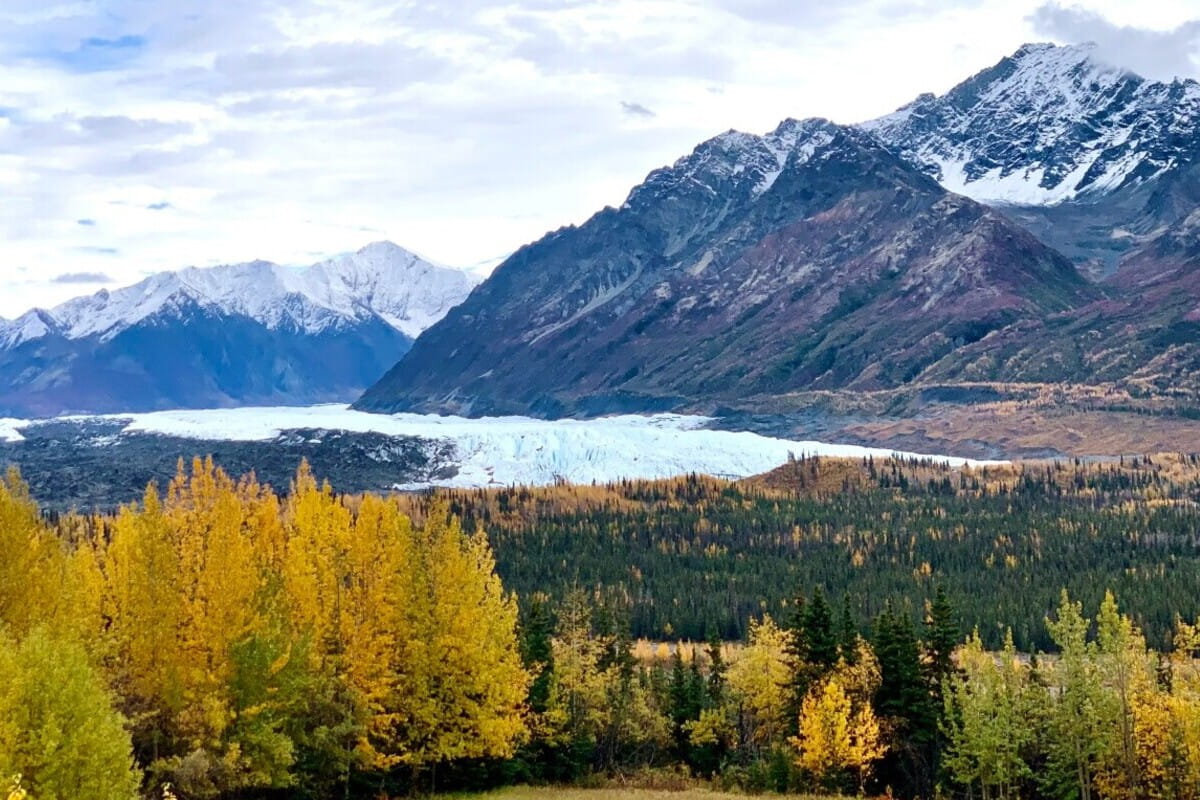
- Alaska’s glaciers occupy approximately five percent of the state’s territory and rank among the most dynamic in the world. The Malaspina Glacier represents the largest piedmont glacier in North America, with an area exceeding two thousand square kilometers. These ice masses constantly move, shaping unique landscapes and influencing global sea levels. Melting glaciers due to global warming pose serious problems for the region’s ecology.
- Alaska is known for its extreme weather records, including the lowest temperature ever recorded in North America. In the settlement of Prospect Creek during nineteen seventy-one, a temperature of minus sixty-two degrees Celsius was registered. Such conditions require special preparation and equipment from both residents and tourists for survival. Despite the harshness of the climate, many people choose Alaska as their home for its unique nature and lifestyle.
- Denali National Park, established in nineteen seventeen, ranks among the most visited protected areas in Alaska. The park encompasses more than twenty-four thousand square kilometers of wilderness where bears, wolves, moose, and caribou inhabit. Visitors can enjoy hiking, wildlife observation, and breathtaking landscapes. Preserving these territories holds critical importance for protecting the planet’s biodiversity.
- Alaska possesses a rich aviation history since aircraft serve as the primary means of transportation in many remote regions of the state. The first aviation routes were established during the nineteen twenties for delivering mail and cargo. Today small planes and seaplanes continue to play important roles in the lives of local communities. Aviation also contributes to tourism development, enabling travelers to reach the most remote corners of the state.
- The tundra, occupying a significant portion of Alaska, represents a unique ecosystem characterized by short growing seasons and permafrost. Vegetation here consists primarily of mosses, lichens, and dwarf shrubs adapted to harsh conditions. Despite the seemingly severe environment, the tundra supports diverse animal life, including migratory birds and caribou. Climate change threatens the stability of this fragile ecosystem, raising concerns among scientists.
- Alaska serves as an important location for scientific research, particularly in the fields of climatology, geology, and ecology. Many international organizations conduct expeditions here to study the impacts of global warming on polar regions. Unique natural conditions enable scientists to obtain data that cannot be collected in other parts of the world. Results from these research efforts help develop strategies for adapting to climate change.
- Alaska’s culture combines influences from indigenous peoples, Russian settlers, and American traditions, creating a unique cultural blend. Local festivals, such as Alaska Purchase Day, celebrate the region’s history and heritage with great enthusiasm. Traditional cuisine includes dishes prepared from salmon, venison, and wild berries following ancient recipes. This cultural diversity makes Alaska particularly interesting for researchers and tourists alike.
- Alaska possesses a unique geographical feature – it simultaneously represents both the westernmost and easternmost state in the United States due to the Aleutian Islands. These islands extend across the international date line, creating an interesting paradox in determining time zones. Such positioning holds strategic significance for both military and civilian aviation. The Aleutian Islands also feature unique flora and fauna adapted to maritime climate conditions.
The world of Alaska continues to amaze researchers and travelers with its incredible facts and wild natural beauty. Each new discovery in this region adds fascinating facts to our understanding of this territory’s uniqueness and its place in world history. You might not know how diverse Alaska’s heritage truly is, but it is precisely this uniqueness that makes it a genuine pearl of northern latitudes. Interesting facts about this remarkable region remain an important key to understanding the interconnection between nature, culture, and human ingenuity.


