
Brazil, the largest country in South America, amazes with its incredible diversity of nature, culture, and history that you might not know about until today. This exotic state combines tropical forests, modern megacities, unique traditions, and outstanding achievements in sports and arts. Amazing facts about Brazil reveal the secrets of its rich past, modern realities, and development prospects. Fascinating facts will help you understand why this country attracts millions of tourists annually and remains one of the most interesting nations in the world. Interesting facts compiled below will be useful for both travelers and enthusiasts of Latin American culture.
- Brazil is the fifth largest country in the world both by area and population, making it a true giant of the Southern Hemisphere. Its territory stretches from the equatorial forests of the Amazon to the subtropical plains in the south, covering diverse climate zones. Such geographical diversity creates unique conditions for the development of rich biodiversity and agriculture. Many regions of the country remain poorly explored, preserving natural treasures for future generations.
- It is the only country in the Americas where the official language is Portuguese, which distinguishes it from its Spanish-speaking neighbors. This linguistic feature is a consequence of colonization by Portugal, which began in the sixteenth century. Portuguese in Brazil has its own dialectal differences and vocabulary, reflecting the cultural uniqueness of the people. Learning this language opens access to the country’s rich literary and musical heritage.
- The Amazon tropical forest zone, a significant part of which is located in Brazil, produces about twenty percent of the world’s oxygen. This gigantic natural complex is home to millions of species of plants and animals, many of which are not found anywhere else on the planet. Preserving the Amazon is critically important for the global climate and ecological balance. Scientists continue to discover new species in these not fully explored jungles.
- The Brazilian carnival in Rio de Janeiro is considered the largest and most spectacular celebration of its kind in the world. Every year millions of participants and spectators gather on the streets for samba parades, costume performances, and fabulous shows. This holiday reflects rich cultural heritage, combining African, European, and indigenous traditions. The carnival has become a symbol of Brazilian joy of life and hospitality.
- Brazil holds the record for the most victories in football world championships, with five gold medals. This sport is an integral part of national identity, uniting people from different layers of society. Legendary players like Pelé and Ronaldinho have become global icons and inspire new generations of football talents. The country’s stadiums are always filled with passionate fans, creating a unique atmosphere for sporting events.
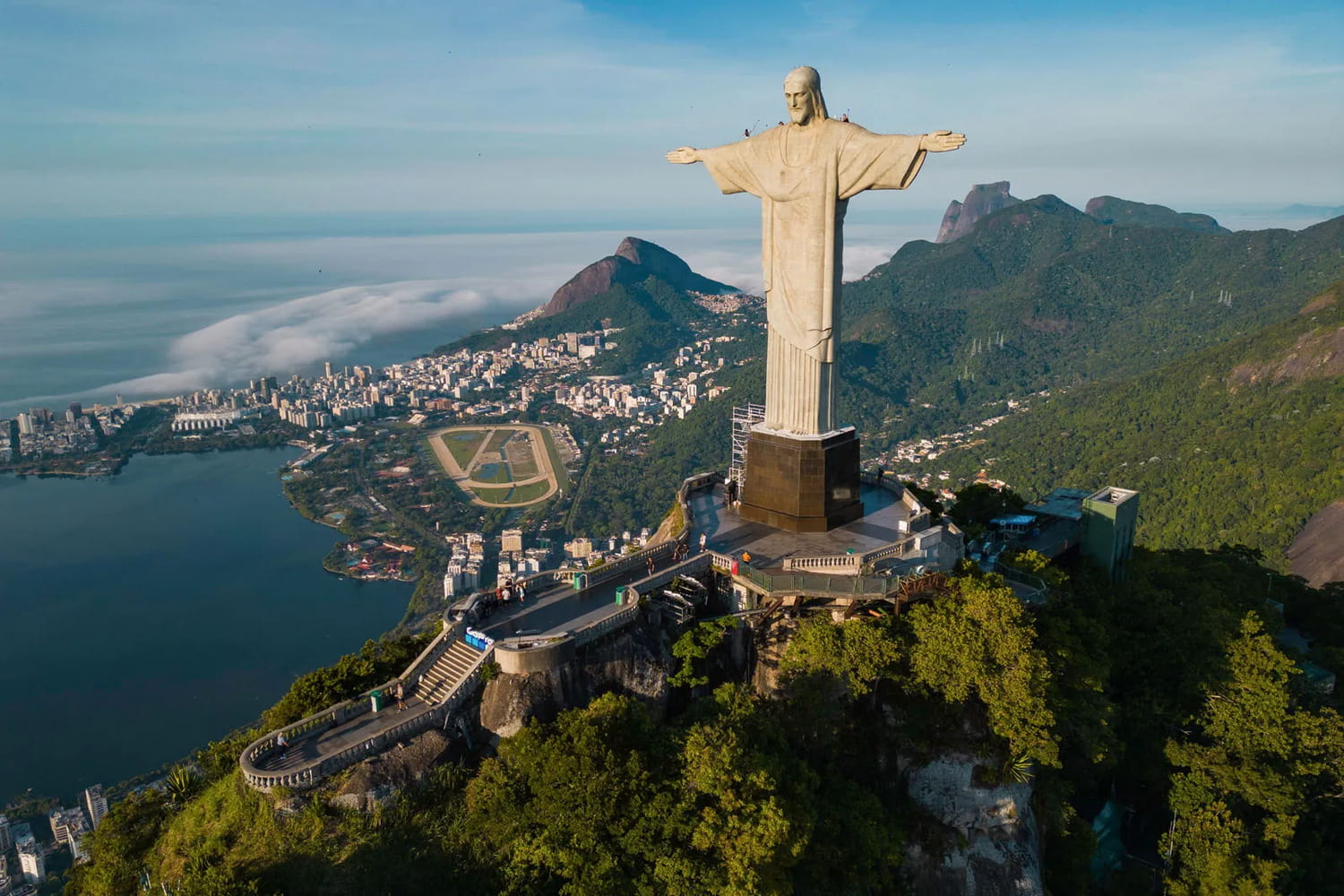
- The statue of Christ the Redeemer on Corcovado mountain in Rio de Janeiro is included in the list of seven new wonders of the world. This thirty-meter sculpture with outstretched arms symbolizes peace and hospitality of the Brazilian people. It offers a breathtaking panorama of the city and Guanabara Bay, attracting thousands of tourists daily. The construction of the monument was completed in nineteen thirty-one and became an engineering masterpiece of its time.
- The Iguazu Falls, located on the border of Brazil and Argentina, are one of the most magnificent water systems on the planet. This complex consists of more than two hundred seventy separate waterfalls, creating an unforgettable spectacle of roar and spray. The national park around the falls protects the unique ecosystem of subtropical forest with rare species of flora and fauna. Visitors can observe this natural wonder from various viewpoints and hiking trails.
- Brazil is a world leader in coffee production, supplying a significant portion of this aromatic beverage to international markets. Brazilian coffee plantations are located mainly in the states of Minas Gerais and São Paulo, where the ideal climate promotes the cultivation of high-quality beans. The culture of coffee consumption is deeply rooted in the daily life of Brazilians, who drink it throughout the day. Coffee exports remain an important component of the country’s economy.
- Brazil possesses the greatest biodiversity of all countries in the world, having unique ecosystems from the Amazon to the Pantanal. Thousands of endemic animal species live here, including jaguars, pink dolphins, and exotic birds. Many of these organisms have not yet been studied by science, making the country a true laboratory for biological research. Preserving this natural wealth requires international efforts and responsible attitude toward the environment.
- The capital Brasília was specially designed and built in the mid-twentieth century to move the administrative center into the interior of the country. Architect Oscar Niemeyer created a unique urban landscape with futuristic buildings and wide avenues. The city has the shape of an airplane from the air, symbolizing the aspiration for progress and development. Brasília is recognized as a UNESCO World Heritage site for its architectural contribution.
- Samba and bossa nova, musical genres born in Brazil, have gained worldwide recognition and influenced the development of jazz and pop music. These rhythms combine African percussion traditions with European melody, creating a unique sound. Festivals and concerts throughout the country demonstrate the mastery of local musicians and dancers. Brazilian music continues to inspire artists around the world with its energetic temperament.
- Brazil gained independence from Portugal in eighteen twenty-two, becoming one of the first independent states in South America. This historical moment initiated a long path of forming national identity and state institutions. Independence Day, celebrated on September seventh, is accompanied by solemn parades and cultural events throughout the country. The historical heritage of the colonial period remains an important part of Brazilian culture.
- São Paulo is the largest city in Brazil and one of the biggest megacities in the world by population. This economic center attracts migrants from all over the country and from abroad, creating a unique cultural mix. The city is known for its lively business activity, diverse cuisine, and rich artistic life. The skyscrapers and modern infrastructure of São Paulo contrast with historical districts, reflecting the dynamics of Brazil’s development.
- Portuguese navigator Pedro Álvares Cabral officially discovered Brazil for Europe in fifteen hundred, initiating the colonization of the continent. This historical event changed the fate of indigenous peoples and led to the formation of a new cultural community. Archaeological findings testify to the rich pre-Columbian history of the region with developed indigenous civilizations. Modern Brazil combines the heritage of indigenous peoples with the influence of European and African traditions.
- Brazilian society is characterized by unique ethnic diversity, combining descendants of indigenous peoples, Europeans, Africans, and Asian immigrants. Such mixing of cultures has created a rich heritage in art, cuisine, and traditions of the country. Many Brazilians are proud of their mixed origin, which is reflected in national identity. This diversity makes Brazil a true melting pot of cultures in the Southern Hemisphere.
- The Pantanal, the largest tropical wetland area in the world, is located mainly on Brazilian territory and is a paradise for wildlife observers. This ecosystem supports an incredible concentration of animals, including caimans, capybaras, and rare birds. Seasonal floods form a unique landscape that changes throughout the year, creating ideal conditions for biodiversity. Ecotourism in the Pantanal offers unforgettable experiences of observing nature in its pristine state.
- Brazilian jiu-jitsu, a martial art developed from Japanese judo, has become popular worldwide due to its effectiveness. This style focuses on grappling techniques and submitting opponents, making it valuable for self-defense and sports competitions. Brazilian masters regularly win at international tournaments, demonstrating a high level of training. Training halls for Brazilian jiu-jitsu are open in many countries, spreading this philosophy of martial arts.
- Brazil is a leading world producer of sugarcane and oranges, supplying these products to international markets in large quantities. These crops are grown mainly in southeastern states, where favorable climate ensures high yields. Processing sugarcane also allows producing ethanol, which is used as an ecological fuel for automobiles. Agriculture remains an important sector of the economy, providing jobs and export revenues.
- The Amazon River, flowing through Brazil, is the largest in the world by water volume and has enormous significance for transport and the ecosystem. Its basin covers millions of square kilometers, supporting the life of numerous species of flora and fauna. The river serves as a vital transport artery for remote communities that depend on waterways. Research on the Amazon continues to reveal new geographical and biological secrets of this unique region.
- Feijoada, a traditional Brazilian dish of black beans and meat, is considered the national culinary pride of the country. This hearty dish is prepared with the addition of various types of meat, spices, and vegetables, reflecting rich gastronomic heritage. Feijoada is traditionally served on Wednesdays and Saturdays, bringing families and friends together at a common table. Culinary traditions of Brazil continue to develop, combining local ingredients with international influences.
- The Brazilian real is the official currency of the country, reflecting economic stability and development of the financial system. The Central Bank of Brazil regulates monetary policy, contributing to inflation control and support of economic growth. The exchange rate of the real affects international trade and investment in the country. Financial literacy of the population is becoming increasingly important in the conditions of a globalized economy.
- Brazil is a federal republic consisting of twenty-six states and one federal district, each of which has certain autonomy. Such a structure allows taking into account regional features and needs when making state decisions. The federal government coordinates nationwide policies in the areas of defense, foreign relations, and macroeconomics. Decentralization of power promotes the development of local self-government and civic participation.
- Brazil possesses significant oil reserves on the Atlantic Ocean shelf, making it an important player in the global energy market. Development of these deposits requires advanced technologies and investments, creating jobs and economic opportunities. Energy independence is a strategic priority for ensuring sustainable development of the country. Environmental aspects of oil extraction are carefully monitored to minimize impact on marine ecosystems.
- Capoeira, a unique Brazilian martial art, combines elements of dance, acrobatics, and music, reflecting the cultural heritage of African slaves. This practice develops physical fitness, coordination, and creative self-expression of participants. Capoeira is often performed accompanied by traditional instruments such as berimbau and atabaque, creating a fascinating spectacle. It is recognized as intangible cultural heritage of humanity by UNESCO for its unique contribution to world culture.
- Brazil has one of the longest coastlines in the world, stretching more than seven thousand four hundred kilometers along the Atlantic Ocean. These coasts offer diverse beaches, from lively urban ones to wild and untouched, attracting vacation lovers. Marine ecosystems support fishing and tourism, which are important sources of income for coastal communities. Preservation of marine resources requires responsible attitude toward the environment and sustainable use.
- Brazil is home to the largest population of Portuguese-speaking people in the world, which emphasizes the cultural influence of this country on the global stage. The Portuguese language unites Brazilians from different regions and social groups, contributing to national unity. Literature, cinema, and music in Portuguese gain international recognition, spreading Brazilian culture. Learning Portuguese opens access to the rich cultural space of Brazil and other Portuguese-speaking countries.
- The Cerrado, a large tropical savanna in Brazil, is home to unique flora and fauna adapted to seasonal droughts and fires. This ecosystem plays an important role in preserving water resources and biodiversity in the central part of the country. Agriculture is developing in the Cerrado but requires a balanced approach to preserve the natural environment. Scientific research helps develop strategies for sustainable use of these valuable lands.
- Brazil successfully hosted the football world championship in twenty fourteen and the summer Olympic Games in twenty sixteen, demonstrating its organizational capacity. These large-scale events attracted the attention of the whole world to Brazilian culture, infrastructure, and hospitality. Sports facilities built for these events continue to serve local communities and develop sports. Such events contribute to the international image of the country and economic development of regions.
- Brazil is a leading world producer of ethanol from sugarcane, offering an ecological alternative to fossil fuels. This renewable energy reduces greenhouse gas emissions and contributes to the country’s energy independence. Biofuel production technologies are constantly being improved, increasing efficiency and reducing costs. Brazilian experience in this field inspires other countries to develop sustainable energy solutions.
Fascinating facts about Brazil demonstrate how this unique country combines natural wealth, cultural diversity, and modern development. Amazing facts remind us of the importance of preserving ecosystems and cultural heritage for future generations. Interesting facts inspire deeper exploration of the Latin American region and awareness of global interdependence. This collection of knowledge serves as a solid foundation for those who seek to better understand Brazil and its role in the modern world.


