
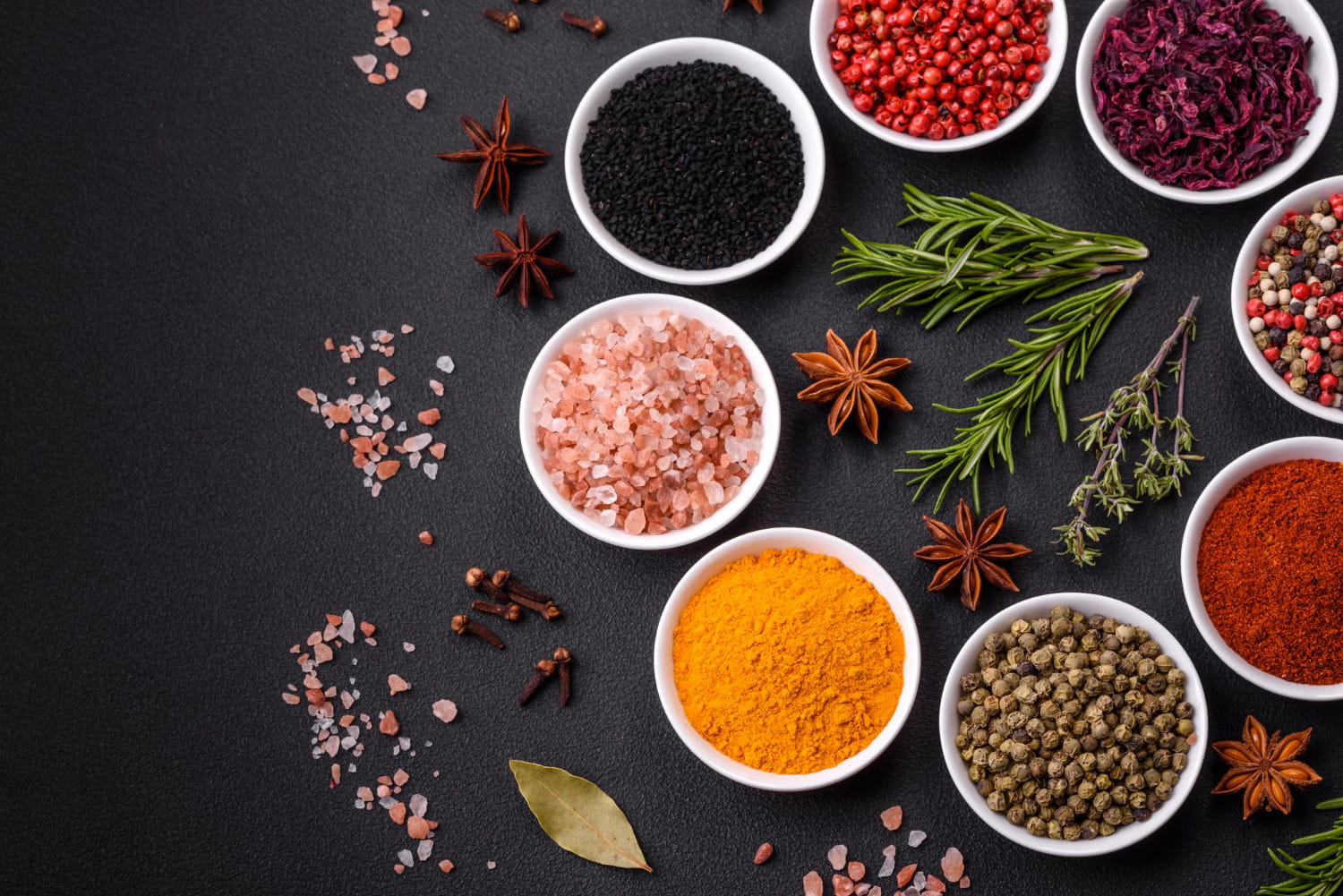
Since ancient times, spices have been far more than simple culinary additives; they were true treasures for which wars were fought, new continents were discovered, and empires were built. You may not know that these tiny grains, roots, and seeds were once more valuable than gold and had the power to change the course of world history. Fascinating facts about spices reveal a world in which pepper became a driving force behind great geographical discoveries, while cinnamon influenced the fate of entire states. Interesting facts about these aromatic treasures help explain how they shaped global trade, culture, and even modern medicine.
- Black pepper was so valuable in the Middle Ages that it was used as a form of currency to pay taxes and ransom prisoners. After the sack of Rome by Alaric in 410, the Romans paid tribute to the Goths in pepper, highlighting its exceptional worth. This spice was stored in locked chests like precious metals, and merchants risked their lives transporting it from India to Europe.
- Cinnamon was used in ancient Egypt for embalming mummies alongside other aromatic substances because of its antibacterial properties. Egyptian priests added cinnamon to sacred incense during religious ceremonies, considering it a gift from the gods. The spice was so rare that Arab traders carefully concealed its origin, spreading legends that cinnamon was collected from the nests of phoenixes.
- Saffron is the most expensive spice in the world because producing one kilogram requires the manual harvesting of about two hundred thousand crocus flowers. Each flower contains only three saffron threads, which must be picked early in the morning before the blossoms fully open. This spice was already used in the Minoan civilization to dye fabrics a golden-orange color symbolizing power and wealth.
- Cloves originate from the Indonesian Moluccan Islands, once known as the Spice Islands, and were a major reason for the colonization of the region by European powers. The Portuguese and later the Dutch established a monopoly on the clove trade by destroying trees on all islands except Ambon in order to control global supply. In the Middle Ages, cloves were used as a remedy for plague and toothache.
- Ginger was one of the first spices brought to Europe from Asia and was valued not only in cooking but also for treating seasickness among sailors during long voyages. Chinese emperors regarded ginger as a symbol of health and longevity and presented it as a special honor to visitors of the imperial court. In ancient Rome, ginger was used to preserve meat because its antibacterial properties slowed spoilage.
- Nutmeg and mace come from the same tree but represent different parts of the fruit, with mace being the outer covering and nutmeg the seed inside. In the seventeenth century, the Dutch established a complete monopoly on the nutmeg trade by destroying all trees except those on the island of Run. This spice was so valuable that the Netherlands exchanged the island of Manhattan for a small island in Indonesia.
- Cardamom originates from India and is one of the oldest spices known to humanity, with traces found even in Neolithic pottery. In ancient Greece, cardamom was used to flavor wine and as a remedy for digestive problems. Today, it is a key ingredient in Arabic coffee and symbolizes hospitality in many Middle Eastern countries.
- Turmeric has been used in Indian Ayurvedic medicine for more than four thousand years because of its anti-inflammatory and antioxidant properties. It contains curcumin, the compound responsible for its bright yellow color, which is now actively studied in modern medicine. In Hindu culture, turmeric is considered sacred and is used in religious ceremonies and wedding rituals.
- Vanilla originates from Mexico, where it was used by the Aztecs, who added it to chocolate drinks served to Emperor Montezuma. For a long time, Europeans were unable to grow vanilla outside Mexico because it was pollinated by only one species of native bee, until a method of hand pollination was developed on the island of Réunion in the nineteenth century. Today, most natural vanilla is grown in Madagascar, which supplies more than eighty percent of global production.
- Sumac is widely used in the Middle East as a sour seasoning in place of lemon juice due to its tart flavor. This spice is made from the berries of the sumac shrub, which are harvested in autumn and ground into a powder. In ancient Rome, sumac was used for tanning leather and as a remedy for various ailments.
- Cayenne pepper is named after the city of Cayenne in French Guiana, although it originates from South America, where it was used long before Europeans arrived. It contains capsaicin, a compound that stimulates circulation and speeds up metabolism, which is why it is often included in weight-loss diets. Interestingly, the hotter the climate, the more cayenne pepper local populations tend to consume, as it promotes cooling through increased sweating.
- Cumin originates from the eastern Mediterranean region and is widely used in Indian, Middle Eastern, and Mediterranean cuisines to flavor bread and meat dishes. This spice aids digestion and is often served after heavy meals in many Asian countries. In ancient Greece and Rome, cumin was used to flavor wine and as a remedy for stomach disorders.
- Fennel was used in ancient Egypt as a mouth rinse after meals to eliminate bad breath and improve digestion. Its seeds contain anethole, which gives them a slightly sweet taste reminiscent of anise or garlic, depending on preparation. In the Middle Ages, fennel was believed to protect against evil spirits and was worn as an amulet during nighttime journeys.
- Nutmeg was so valuable in sixteenth-century Europe that its price exceeded that of gold of the same weight. The Dutch East India Company controlled the trade by monopolizing the few islands where the spice grew. Excessive consumption of nutmeg can cause hallucinations because it contains myristicin, a psychoactive substance.
- Coriander is used both as fresh greens and as dried seeds, which have completely different flavors and aromas. Coriander seeds have citrus notes, while the leaves resemble a blend of parsley and garlic. In ancient Egypt, coriander symbolized immortality and was placed in the tombs of pharaohs alongside other valuable items.
- Chili peppers spread around the world thanks to Christopher Columbus, who initially mistook them for a type of black pepper and brought them to Europe after his voyages to the Americas. The spice quickly became popular in Asia, especially in India, China, and Thailand, where it was integrated into traditional cuisine. Interestingly, chili peppers are not native to Asia and arrived there only about five hundred years ago.
- Bay leaves in ancient Greece and Rome symbolized victory and glory, and wreaths made from them were awarded to Olympic champions and distinguished commanders. This spice has natural insect-repellent properties and is often placed in wardrobes to protect clothing from moths. In medieval Europe, bay leaves were believed to protect homes from lightning and were hung above doorways during storms.
- Caraway was widely used in ancient Egypt not only in cooking but also in the embalming of mummies because of its preservative qualities. The spice was so important that it is mentioned in the Bible as a taxable commodity. In medieval Europe, caraway symbolized fidelity, and engaged couples exchanged its seeds as a sign of eternal love.
- Asafoetida, also known as ferula resin, originates from Iran and Afghanistan and has a very strong smell resembling raw onion and garlic, which becomes pleasant after cooking. In ancient times, asafoetida was used as a substitute for garlic by people who avoided it for religious reasons. This spice is also known for its medicinal properties, particularly in treating digestive and respiratory conditions.
- Fenugreek, also called shambala, is used in Indian cuisine both to flavor dishes and to give them a golden hue. This spice has the unusual ability to mimic the aroma of maple syrup, making it popular in the confectionery industry. In traditional medicine, fenugreek is used to increase milk production in breastfeeding women and to help regulate blood sugar levels.
Spices remain a living testament to how tiny plants can influence the history of civilizations, uniting peoples and cultures through a shared love of flavor and aroma. Facts about these natural treasures show that true value often lies not in size, but in the power to shape human life. Interesting facts about spices remind us of the importance of preserving biodiversity and traditional knowledge passed down through generations. Discoveries in the world of spices will continue to inspire chefs, researchers, and food lovers to explore new horizons of taste and culture.


