
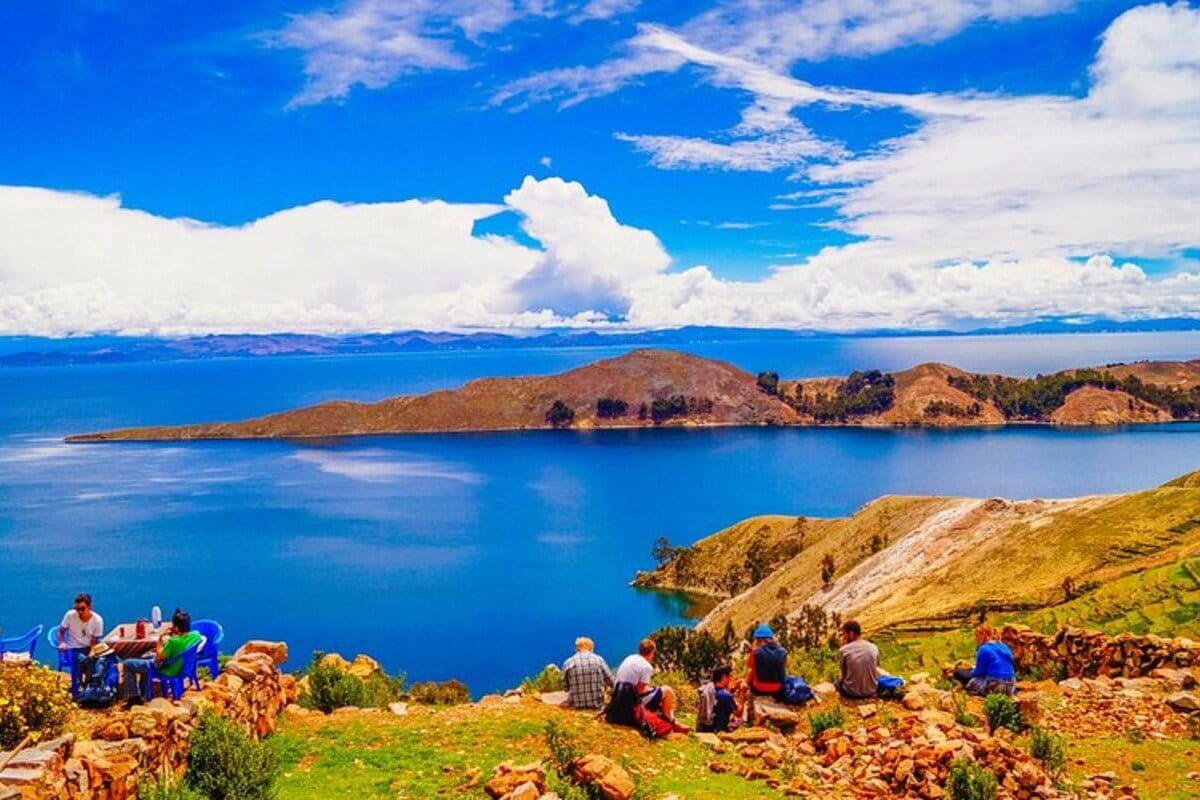
Lake Titicaca, located high in the Andes on the border of Peru and Bolivia, amazes with its grandeur, ancient history, and unique culture that you might not know about until today. This highest navigable lake in the world hides many secrets of ancient civilizations and natural wonders. Amazing facts about Titicaca reveal its geological past, sacred significance for local peoples, and modern ecological challenges. Fascinating facts will help you understand why this lake remains one of the most mysterious and attractive places in South America. Interesting facts compiled below will be useful for both travelers and enthusiasts of history and nature.
- Titicaca is the highest navigable lake in the world, located at an altitude of approximately three thousand eight hundred twelve meters above sea level. Such a location creates unique conditions for navigation, where traditional reed boats are still used by local inhabitants. High-altitude air makes the water exceptionally clear and cold throughout the year. This feature attracts researchers and tourists who seek to see one of the most impressive natural wonders of the continent.
- The lake is located on the border of two countries, Peru and Bolivia, which makes it an important object of international cooperation and cultural exchange. Both states work together to preserve the ecosystem and develop sustainable tourism in the region. Local communities on both sides of the border preserve ancient traditions of fishing and agriculture. Such coexistence demonstrates how nature can unite peoples beyond political boundaries.
- The name Titicaca probably comes from words in the Quechua language meaning stone puma or lead puma, referring to sacred animals of Andean mythology. Legends tell that the first Incas emerged from this lake, founding their majestic civilization. Archaeological finds on the shores confirm the presence of ancient cultures such as Tiwanaku and Pukina. These historical connections make the lake a true open-air museum for archaeology enthusiasts.
- The area of Titicaca is approximately eight thousand three hundred seventy square kilometers, making it the largest lake in South America by water volume. Its depth reaches two hundred eighty meters at the deepest point, ensuring a stable water balance for the region. The lake is fed primarily by rainwater and glacial streams from surrounding mountain peaks. This water system supports the lives of millions of people and unique ecosystems across a vast territory.
- The famous floating islands of Uros, created from totora reeds, are a unique example of human adaptation to the natural environment. Representatives of the Uros people build not only islands but also boats, homes, and even schools from this natural material. Totora reed grows quickly and regenerates after cutting, making it an ideal resource for sustainable living. Tourists can visit these islands to learn about ancient crafts and a way of life preserved for centuries.
- The Island of the Sun, located in the Bolivian part of the lake, is considered a sacred birthplace of Inca civilization according to ancient traditions. The island preserves ruins of temples, terraces, and ritual platforms that testify to the high level of development of ancient builders. Pilgrims and travelers visit this place to feel spiritual energy and enjoy panoramic views of the lake. Archaeologists continue to explore the island, discovering new artifacts that shed light on the history of the region.
- The unique Titicaca frog has special skin folds that allow it to breathe underwater through its skin, compensating for low oxygen levels at high altitude. This amphibian can reach significant size and weight, adapting to the cold waters of the high-altitude lake. The frog is endemic to Titicaca and is not found anywhere else in the world, making it an object of close attention from biologists. Preserving this species is an important aspect of protecting the biodiversity of Andean ecosystems.
- The water in the lake maintains a stable temperature from ten to fourteen degrees Celsius throughout the year due to the influence of high-altitude climate. Such coolness limits the development of some aquatic organisms but creates ideal conditions for unique species of fish and invertebrates. Fishermen use traditional fishing methods passed down from generation to generation, preserving the cultural heritage of the region. Cold water also slows decomposition processes, which helps preserve archaeological artifacts on the lake bottom.
- Lake Titicaca has forty-one islands, some of which are inhabited and have developed infrastructure for tourism and local life. The islands of Taquile and Amantaní are known for their traditions of weaving, music, and agricultural terraces preserved since pre-Inca times. Local residents offer guests the opportunity to immerse themselves in authentic culture by staying in traditional homes and participating in daily rituals. Such forms of ethnotourism help preserve cultural identity and provide economic support to communities.
- Titicaca is an important source of fresh water for millions of people living in surrounding regions of Peru and Bolivia. The lake feeds rivers that carry water to agricultural lands and settlements, supporting life in the harsh conditions of the Andes. Growing demand for water and climate change create challenges for sustainable water resource management. International organizations cooperate with local governments to develop strategies for preserving this vital resource.
- Archaeologists have discovered ancient artifacts under the waters of Titicaca, including gold ornaments, ceramics, and stone sculptures that testify to ritual practices of ancient cultures. These findings confirm that the lake was considered a sacred place for sacrifices and ceremonies even during the Tiwanaku civilization. Underwater research requires special equipment and expertise due to great depth and low water temperature. Each new discovery adds valuable knowledge to understanding the history of Andean civilizations.
- The lake consists of two main basins connected by the narrow Tiquina Strait, creating a unique hydrological system with different water characteristics. The northern basin is larger and deeper, while the southern one is shallower and more susceptible to seasonal water level fluctuations. This structure affects the distribution of aquatic organisms and fishing traditions in different parts of the lake. Research on Titicaca’s hydrology helps predict changes in the ecosystem and plan conservation measures.
- Traditional boats made from totora reeds, known as balsas, have been used by local inhabitants for fishing and transporting goods for millennia. Masters build these boats by tying bundles of reeds with strong ropes made from natural fibers, creating light and maneuverable vessels. Such boats can serve for several months, after which the material returns to the natural environment without harming the ecosystem. This ancient technology demonstrates harmony between humans and nature, inspiring modern approaches to sustainable shipbuilding.
- Climate change affects water levels in Titicaca, raising concerns about the future of the ecosystem and dependent communities. Melting glaciers in surrounding mountains change the lake’s feeding regime, which may lead to long-term ecological consequences. Scientists monitor these processes using satellite data and local observations to develop adaptation strategies. Cooperation among scientists, governments, and communities is key to ensuring the region’s resilience to climate challenges.
- High levels of ultraviolet radiation at high altitude affect the lake’s ecosystem, promoting the development of unique adaptations in local species of flora and fauna. Some algae and microorganisms produce natural protective pigments that allow them to survive under intense sunlight. Research on these mechanisms may have practical applications in medicine and biotechnology. Understanding the impact of UV radiation helps develop more effective environmental protection strategies.
- Lake Titicaca is a popular destination for ecological and cultural tourism, offering visitors a unique experience of interacting with nature and local traditions. Tourists can participate in weaving workshops, try traditional dishes, and learn about ancient rituals from representatives of indigenous peoples. Responsible tourism helps preserve cultural heritage and provides economic benefits to local communities without harming the ecosystem. Educating visitors about the importance of nature conservation is an integral part of the tourist experience in the region.
- Fishing on Titicaca is an important industry for local communities, where traditional methods combine with modern approaches to sustainable resource use. The main species for catching are smelt and trout, which have adapted to the cold waters of the high-altitude lake. Regulating catch quotas and banning destructive methods help maintain fish populations at sustainable levels. Cooperation among fishermen, scientists, and government promotes conservation of water resources for future generations.
- The lake plays an important role in local mythology and spiritual practices, where water is considered a source of life and connection with ancestors. Rituals and ceremonies associated with the lake have been conducted for centuries, preserving cultural memory and identity of indigenous peoples. Modern folklore research helps understand the deep connections between humans and nature in Andean culture. Preserving these traditions is an important aspect of humanity’s cultural heritage.
- Water pollution from agricultural runoff, household waste, and mining poses a threat to the ecosystem of Titicaca. International and local initiatives aim to implement purification systems and educational programs to reduce anthropogenic impact. Public organizations engage local populations in monitoring water quality and restoring damaged sections of the shoreline. Collective efforts are necessary to ensure the purity and health of the lake for future generations.
- The unique flora of Titicaca includes plant species adapted to high-altitude conditions, such as totora, quinoa, and various medicinal herbs. These plants have been used by local inhabitants for nutrition, construction, and traditional medicine for millennia. Research on the biochemical composition of Andean plants may lead to the discovery of new medicines and dietary supplements. Preserving plant diversity is critically important for maintaining the ecosystem and cultural practices of the region.
Fascinating facts about Titicaca demonstrate how this unique lake combines natural grandeur, ancient history, and modern conservation challenges. Amazing facts remind us of the importance of international cooperation and responsible attitude toward natural resources for maintaining ecosystems of high-altitude regions. Interesting facts inspire deeper exploration of Andean culture and awareness of our shared responsibility for preserving the cultural and natural heritage of the planet. This collection of knowledge serves as a solid foundation for those who seek to better understand Titicaca and its role in the complex mosaic of life in the Andes.


