
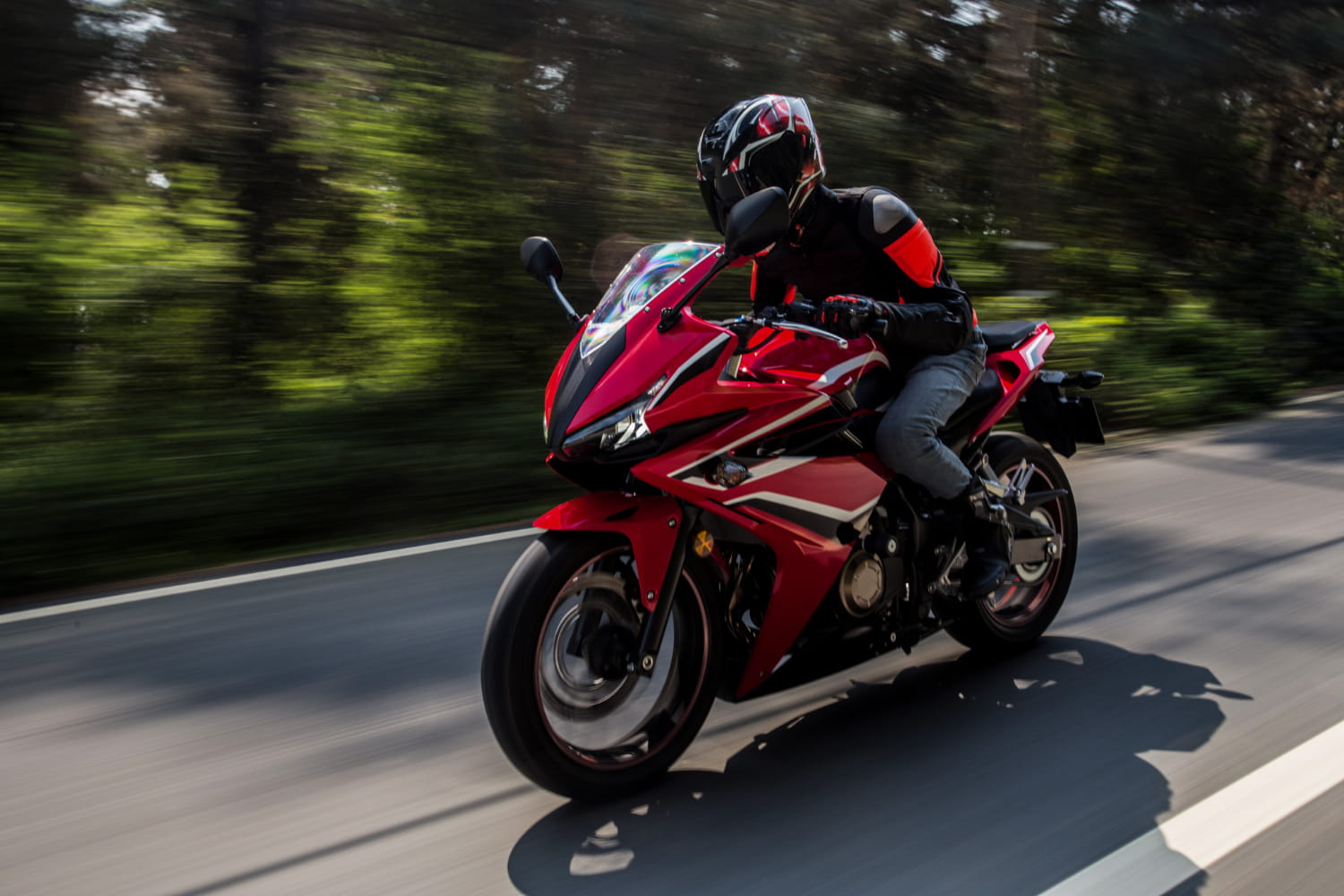
Motorsport captivates millions of people worldwide with its breathtaking speed, adrenaline-fueled action, and unpredictable nature. Behind the seemingly simple design of motorcycles lies a world of sophisticated engineering, heroic stories, and records that once appeared impossible to achieve. You might not have known that this sport boasts a rich history spanning more than a century of continuous development filled with remarkable milestones. Today we will explore the most fascinating aspects of motorcycle racing that will surprise even the most dedicated enthusiasts. Prepare to discover incredible facts that reveal the world of motorsport from an entirely fresh perspective.
- The first official motorcycle race in history took place in France in 1894 and was called Paris-Rouen. This event represented a genuine breakthrough for both the automotive industry and competitive sport. Count Jules-Albert de Dion emerged as the winner, although his steam-powered vehicle did not fully meet all the technical requirements of the competition. This race laid the essential groundwork for motorsport to develop as a distinct sporting discipline.
- The Isle of Man TT race is widely considered the most dangerous motorcycle race in the world due to the absence of safety barriers along most sections of the course. The route winds through ordinary rural roads across the island with cliffs, trees, stone walls, and houses lining the edges. Throughout its history, more than 250 competitors have lost their lives during this event, making it a true test of courage and commitment. Despite the extreme risks involved, thousands of riders eagerly seek to participate in this legendary competition every year.
- Legendary Italian rider Giacomo Agostini secured 122 Grand Prix victories and 15 world championship titles, a record that remains unmatched to this day. He dominated motorcycle racing throughout the 1960s and 1970s while competing for MV Agusta and Yamaha factory teams. Agostini became the first rider to win world championships in two different classes during the same season. His riding technique and smooth cornering style became the gold standard for generations of racers who followed.
- Modern MotoGP motorcycles achieve acceleration figures that surpass many high-performance supercars. These machines can accelerate from zero to one hundred kilometers per hour in under 2.5 seconds thanks to powerful engines displacing approximately one thousand cubic centimeters. Such explosive acceleration subjects riders to forces approaching 1.5 g during hard launches. These racing machines represent the absolute pinnacle of engineering achievement in two-wheeled transportation.
- In 1978 American rider Freddie Spencer became the first competitor to win the 500cc world championship riding a Japanese Honda motorcycle. Prior to this achievement European manufacturers, particularly Italian brands, had maintained firm control over the premier class. Spencer’s victory signaled the beginning of Japanese manufacturers’ long-term dominance in top-tier motorcycle racing. Honda demonstrated that Asian engineering could successfully challenge Europe’s finest technical developments.
- Motorsport encompasses more than thirty distinct disciplines ranging from road racing to motocross, trials, and enduro events. Each discipline imposes unique demands on both machinery and rider skill sets. For instance trials riding emphasizes extraordinary balance and precise throttle control rather than outright speed. This remarkable diversity makes motorsport accessible to individuals with varying talents and personal interests.
- The first FIM Motorcycle World Championship was officially organized in 1949 by the Fédération Internationale de Motocyclisme. Competitions were held across six engine capacity classes ranging from 125cc to 500cc machines. British rider Leslie Graham earned the distinction of becoming history’s first motorcycle world champion. This landmark event launched the modern era of professional motorcycle racing as we know it today.
- Female racer Maria Costina broke barriers by becoming the first woman to compete in the premier class of world championship motorcycle racing during the 1960s. She raced directly against male competitors on equal terms while demonstrating exceptional machine control and racing intelligence. Although she never reached the podium, her pioneering participation opened doors for future generations of women in motorcycle sport. Today women’s motorcycle racing championships take place in numerous countries around the globe.
- Moto2 class racing motorcycles utilize identical Honda CBR600RR engines producing 140 horsepower across all competing machines. This regulation aims to reduce team expenditures while shifting focus toward rider skill rather than technical advantages between machines. Chassis manufacturers may vary among teams, allowing engineers to express creativity within structural design parameters. This approach creates exceptionally close and competitive racing throughout the season.
- The production motorcycle speed record belongs to the Kawasaki Ninja H2R which has achieved speeds exceeding four hundred kilometers per hour. This extraordinary machine features a supercharged engine specifically engineered to deliver phenomenal performance figures. By comparison most standard passenger automobiles reach maximum speeds around two hundred kilometers per hour. Such achievements showcase the impressive potential of contemporary engineering within the motorcycle industry.
- British rider Barry Sheene earned legendary status by winning world championships in three different displacement classes during the 1978 season. He secured titles in the 125cc, 250cc, and 350cc categories, an accomplishment regarded as one of motorsport’s most remarkable feats. This versatility demanded exceptional adaptability to different machine characteristics and riding techniques within a single competitive year. Sheene’s mechanical understanding and smooth riding style cemented his place among racing immortals.
- Telemetry systems aboard modern MotoGP motorcycles transmit over one hundred different performance parameters to team engineers in real time during races. These data streams include tire pressure readings, engine temperatures, lean angles, suspension travel, and numerous other critical measurements. Engineers analyze this information continuously to optimize machine setup and provide strategic guidance to riders. Such technology enables competitors to extract maximum performance from increasingly sophisticated racing machinery.
- The Dakar Rally, originally held across African terrain, now takes place in Saudi Arabia and includes a dedicated motorcycle category. This event stands as the world’s most grueling off-road rally raid competition spanning more than two weeks and covering thousands of kilometers through desert landscapes. Competitors face extreme temperatures, sandstorms, navigation challenges, and punishing terrain throughout the event. Victory in the Dakar Rally represents one of motorsport’s most prestigious and respected accomplishments.
- Freestyle motocross has evolved as a distinct discipline where riders perform aerial acrobatics and complex tricks during competition. This sport combines motocross speed and jumping ability with artistic expression through mid-air maneuvers. Competitors execute backflips, 360-degree rotations, and other spectacular tricks off specially designed ramps and jumps. Freestyle motocross has developed its own championship structure and enjoys growing popularity worldwide.
- German engineer Gottlieb Daimler created the first internal combustion engine motorcycle in 1885 naming it the Reitwagen or riding car. This pioneering prototype featured a wooden frame powered by a single-cylinder engine producing approximately half a horsepower. Although never intended for competition this invention established the foundation upon which motorcycle sport would eventually develop. Daimler’s creation demonstrated the practical application of small engines for personal transportation.
- Italian superstar Valentino Rossi earned the nickname The Doctor not through medical training but due to the surgical precision of his riding technique. He captured seven world championships in the premier 500cc and MotoGP classes becoming one of motorsport’s most iconic figures. Rossi became famous for his flamboyant personality, distinctive race suits, and exceptional ability to perform under pressure in varying conditions. His global popularity elevated motorcycle racing to unprecedented levels of mainstream recognition.
- Speedway racing represents a unique motorsport discipline contested on oval dirt tracks typically measuring between two hundred and four hundred meters in length. Speedway motorcycles feature no brakes and rely entirely on throttle control and rear wheel sliding to navigate corners. Riders maintain wide-open throttle through turns while sliding the rear wheel in controlled drifts requiring exceptional balance and courage. This spectacular form of racing enjoys tremendous popularity across Northern Europe and Australia.
- Spanish legend Ángel Nieto holds the record for most world championships in the 125cc class with an astonishing thirteen titles to his name. He famously referred to having won twelve and a half championships because he considered the number thirteen unlucky in his culture. Nieto became renowned for his smooth riding style and extraordinary ability to adapt to changing track conditions. His championship tally remains one of motorsport’s most impressive statistical achievements.
- Ice speedway competition requires specially modified motorcycles fitted with studded tires that bite into frozen surfaces for traction. These events take place on frozen lakes or purpose-built ice arenas primarily in Scandinavian and Eastern European countries during winter months. Riders reach speeds approaching one hundred thirty kilometers per hour while maintaining constant rear-wheel slides throughout corners. The unpredictable nature of ice surfaces combined with high speeds creates an exceptionally demanding racing environment.
- French rider Fabio Quartararo made history in 2021 by becoming the first French world champion in the premier MotoGP class in twenty-five years. His championship victory marked France’s return to the highest echelon of motorcycle racing after a prolonged absence from the top step of the podium. Quartararo became recognized for his smooth cornering technique and remarkable consistency throughout race weekends. His success has inspired a new generation of French motorcycle racing talent.
- Endurance racing forms an important branch of motorsport where teams compete continuously for twenty-four hours without stopping. The most famous motorcycle endurance event remains the 24 Hours of Le Mans which shares the legendary Circuit de la Sarthe with automobile competitors. Teams employ multiple riders who rotate aboard a single machine while mechanics perform repairs and maintenance during brief pit stops. These events test not only speed but machine reliability and seamless team coordination under extreme pressure.
- Italian manufacturer MV Agusta established unprecedented dominance in Grand Prix racing during the 1950s and 1960s winning seventeen consecutive 500cc world championships. This extraordinary winning streak remains unmatched in motorcycle racing history across any premier class. The company invested heavily in racing development creating technically advanced machines that consistently outperformed rivals. MV Agusta became synonymous with Italian engineering excellence and racing prestige during this golden era.
- The annual motorcycle races held in Olton, England trace their origins back to 1905 making them among the oldest continuously running motorsport events in the world. These competitions take place on a dedicated grass track attracting competitors on machines spanning multiple eras of motorcycle development. Both vintage classics and modern racing machines share the course during different race categories throughout the event. This gathering serves as a living museum celebrating over a century of motorcycle racing heritage.
- Motorcycle sport appeared on the Olympic program only once during the 1900 Paris Games as a demonstration event rather than an official medal discipline. Subsequent efforts to include motorcycle racing in the Olympic movement have consistently failed due to organizational complexities and safety considerations. Nevertheless motorcycle racing maintains its own prestigious world championship structure with global television coverage and massive fan engagement. Many competitors consider a world championship title more significant than an Olympic medal within their sporting discipline.
- Hybrid powertrain technology is gradually being developed for future motorcycle racing applications with the goal of reducing carbon emissions while maintaining performance. Several manufacturers have already unveiled concept machines featuring electric assist motors working in conjunction with internal combustion engines. These systems aim to preserve the visceral experience of motorcycle racing including engine sound and throttle response. The sport continues evolving toward more sustainable technologies without sacrificing its essential competitive spirit and excitement.
These captivating facts merely scratch the surface of motorsport’s rich tapestry which masterfully blends technological innovation, human bravery, and an enduring passion for velocity. Each racing season introduces new narratives, shattered records, and emerging heroes who continue writing this sport’s ever-evolving story. Motorsport remains a dynamic living entity constantly adapting while attracting fresh generations of fans and participants across every continent. The true magic of motorcycle racing lies in its perpetual capacity for surprise and its ability to inspire awe through human-machine synergy operating at the very edge of possibility.


