
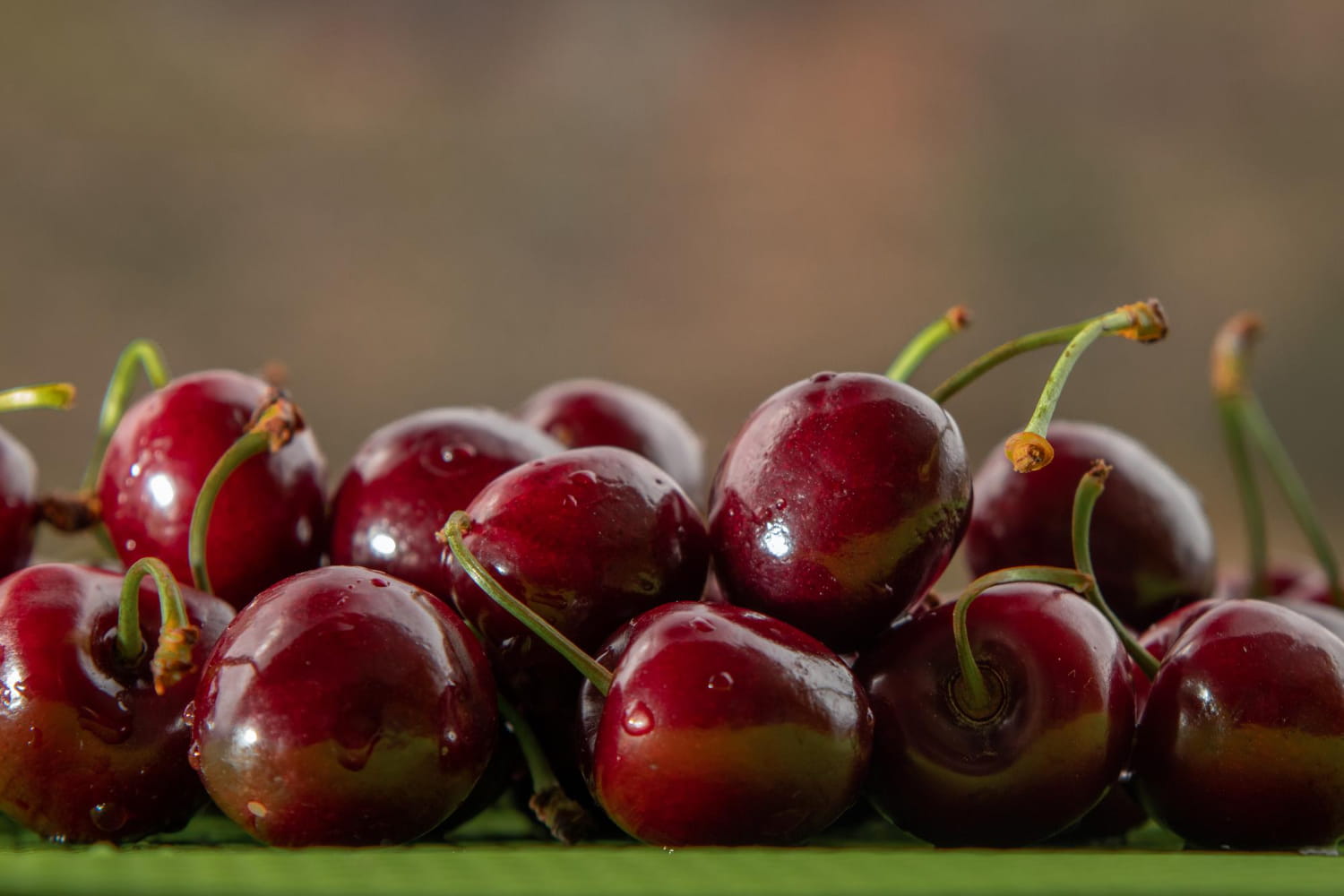
Sweet cherries are among the most beloved summer fruits, delighting us with their sweet taste and juiciness during a short but eagerly awaited season. These bright fruits are not only delicious but also extremely beneficial for health, as they contain many vitamins, minerals, and antioxidants. Interesting facts about sweet cherries reveal their ancient history, unique properties, and importance in various cultures around the world. You may not know that this fruit has a cultivation history spanning thousands of years and is connected with numerous traditions, legends, and scientific discoveries. The fascinating world of sweet cherries hides far more secrets than it may seem at first glance.
- Sweet cherry is one of the oldest cultivated fruit trees in the world, and its cultivation history spans more than 3000 years. Archaeological findings indicate that cherry pits were discovered in Bronze Age settlements on the territory of modern Europe. The cultivation of sweet cherries began in the region between the Black Sea and the Caspian Sea, from where it spread throughout Eurasia. The Romans actively cultivated sweet cherries and brought them to Britain around 100 AD, which marked the beginning of their spread across Europe.
- The name of the sweet cherry originates from the city of Kerasus in Asia Minor, present-day Turkey, which gave rise to the Latin name Cerasus. From there, the Roman commander Lucullus brought sweet cherries to Rome after his campaign in 74 BC. The Latin name Prunus avium translates as “bird plum,” since birds are very fond of these fruits. In various languages, the name for sweet cherry retains similarities to the original Latin form, indicating a shared origin of the name across many European cultures.
- Sweet cherry belongs to the rose family and is a close relative of sour cherry, peach, apricot, and almond. Botanically, sweet cherry is classified not as a berry but as a drupe, since it has a hard stone inside the flesh. The main difference between sweet cherry and sour cherry lies in taste, as sweet cherries are usually sweeter, while sour cherries have a more acidic flavor. There are more than 1000 varieties of sweet cherries, which differ in color, size, taste, and ripening time.
- Japan is famous for its special relationship with cherry trees, especially the ornamental sakura. The tradition of hanami, or viewing blooming cherry trees, has been an important part of Japanese culture for more than a thousand years. The blossoming of sakura symbolizes the transience of life and beauty in Japanese philosophy and art. Every year, millions of Japanese people and tourists gather in parks to admire the pink and white blossoms of cherry trees, which last only one or two weeks.
- Sweet cherries contain powerful antioxidants, particularly anthocyanins, which give them their dark red color. These compounds have anti-inflammatory properties and help reduce the risk of cardiovascular diseases. Studies have shown that regular consumption of sweet cherries can reduce muscle pain after intense physical activity. Sweet cherries also contain melatonin, a natural hormone that helps regulate the sleep–wake cycle, making them beneficial for people with insomnia.
- The vitamin and mineral content of sweet cherries makes them extremely beneficial for health. Sweet cherries are rich in vitamin C, which supports the immune system and promotes collagen production for healthy skin. They also contain potassium, which is important for maintaining normal blood pressure and proper heart function. Sweet cherries contain dietary fiber that improves digestion and supports intestinal health, as well as B vitamins that are essential for energy metabolism.
- Sweet cherry trees can live and bear fruit for more than 100 years under favorable conditions. In the wild, a sweet cherry tree can reach a height of 25–30 meters, although cultivated varieties are usually shorter. Sweet cherries require a certain number of cold hours in winter for proper bud development and future harvests. Most sweet cherry varieties need cross-pollination, so gardeners often plant several different varieties close together to ensure good yields.
- Turkey is the world leader in sweet cherry production, producing nearly a quarter of the global harvest. The United States, particularly the states of Washington, Oregon, and California, are also major producers of sweet cherries. In Europe, the main producers are Italy, Spain, and Greece, where sweet cherries have been grown for centuries. Ukraine also has long-standing traditions of sweet cherry cultivation, especially in southern regions with a warm climate.
- There are two main types of sweet cherries, which differ in flesh firmness and usage. “Big” type sweet cherries have firm, crisp flesh and are usually consumed fresh. “Heart” type sweet cherries have a softer, juicier texture and are often used for canning and juice production. The color of sweet cherries can range from light yellow and pink to deep burgundy, almost black, depending on the variety.
- Sweet cherries spoil quickly after harvesting, which makes them a seasonal delicacy with a short shelf life. At room temperature, fresh sweet cherries keep for only 1–2 days, while in the refrigerator they can remain fresh for up to a week. Sweet cherries should be stored unwashed, as water accelerates spoilage and mold formation. For long-term storage, sweet cherries can be frozen, dried, or preserved while retaining most of their beneficial properties.
- In some cultures, sweet cherries have symbolic meaning and are used in traditional rituals. In Chinese culture, sweet cherries symbolize feminine beauty and spring. In Germany, there is the tradition of the Black Forest cake, where sweet cherries are a key ingredient of this famous dessert. In the United States, the state of Michigan hosts an annual National Cherry Festival that celebrates the harvest and the cultural significance of this fruit.
- Sweet cherry trees bloom in early spring with white or pink flowers, creating a spectacular sight. Flowering usually lasts from one to two weeks, depending on weather conditions and the variety. Sweet cherry blossoms are very sensitive to late spring frosts, which can destroy future crops. Bees and other pollinating insects play a critical role in pollinating sweet cherry flowers, making their presence in orchards extremely important.
- Sweet cherry pits contain a small amount of amygdalin, a compound that can be converted into cyanide in the body. However, the amount of this toxic substance is so small that accidentally swallowing one or several pits does not pose a serious health risk. Nevertheless, intentionally cracking and consuming sweet cherry pits in large quantities is not recommended. To reach a toxic dose, an adult would have to eat and chew several hundred pits within a short period of time.
- In cooking, sweet cherries are used both fresh and processed to prepare a wide variety of dishes. Sweet cherries are added to salads, desserts, cocktails, and smoothies to provide sweetness and vibrant color. They are used to make jams, preserves, compotes, and sauces that pair well with both sweet and savory meat dishes. Dried sweet cherries have become a popular healthy snack and an ingredient in baked goods, muesli, and yogurts.
- Scientific studies have found that sweet cherries may have anticancer properties due to their high antioxidant content. Regular consumption of sweet cherries is associated with reduced levels of uric acid in the blood, which is beneficial for people with gout. Sweet cherries have a low glycemic index, making them suitable for people with diabetes when consumed in moderation. Research has also shown that sweet cherries may improve cognitive function and protect the brain from age-related changes due to their antioxidant effects.
Incredible facts about sweet cherries demonstrate that this beloved summer fruit is not merely a tasty treat, but also a valuable source of nutrients with a rich history. From ancient times to the present day, sweet cherries have remained a symbol of summer, health, and cultural traditions in many countries around the world. The fascinating properties of sweet cherries continue to be revealed through scientific research, confirming their importance for both nutrition and medicine. Knowledge about sweet cherries helps us better appreciate this remarkable gift of nature and use it to the greatest benefit for our health.


