
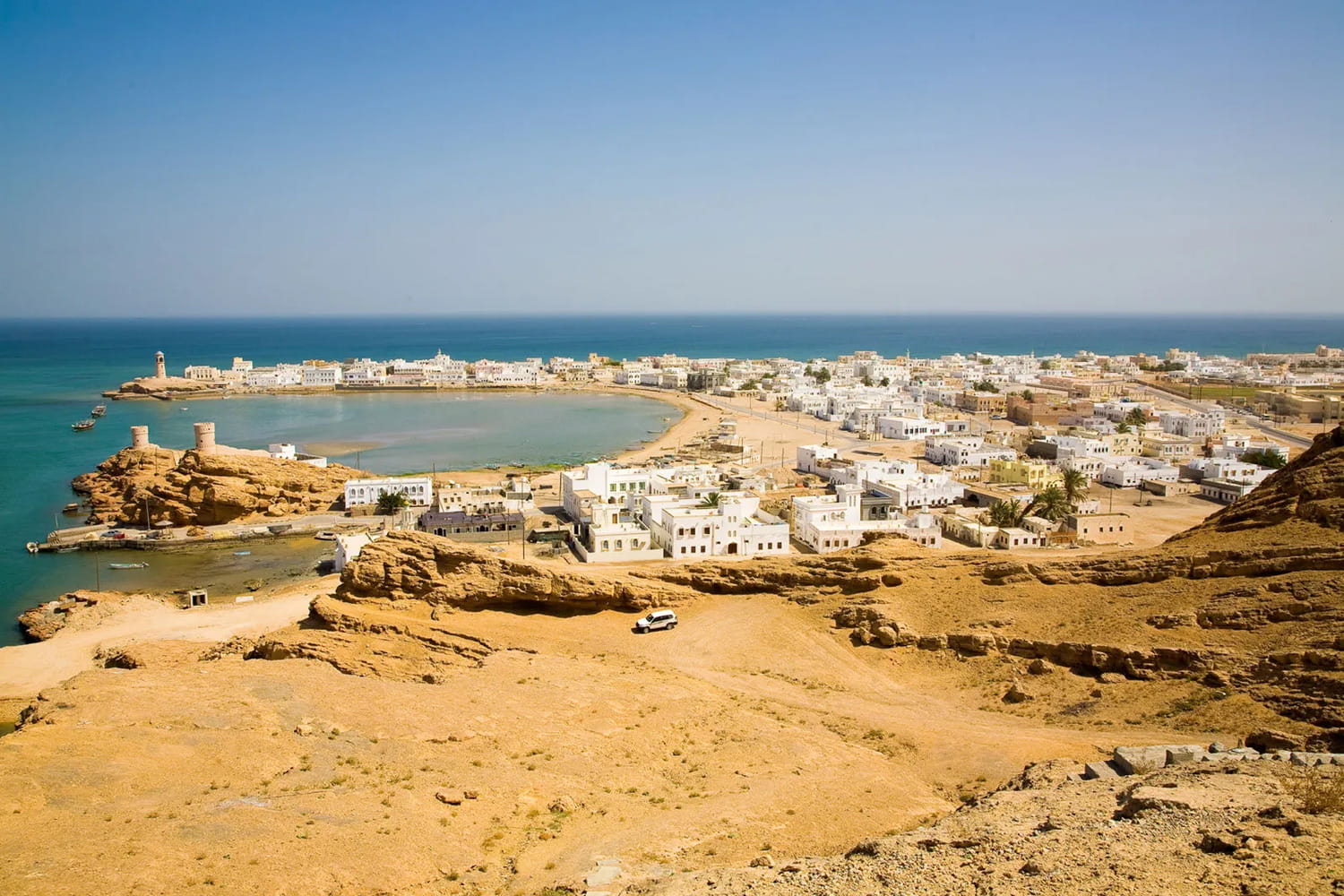
In the waters of the Indian Ocean lies a sea that has served as a bridge between Eastern and Western civilizations for thousands of years. The Arabian Sea amazes with its historical significance, abundance of marine resources, and unique natural phenomena. You might not know that it was precisely here that ancient trade routes connecting Arabia, India, and East Africa were formed. We invite you to immerse yourself in a world of amazing facts that will reveal the true essence of this magnificent body of water to you. These fascinating facts will help you better understand the uniqueness of the Arabian Sea and its role in the global ecosystem.
- The Arabian Sea constitutes the northwestern part of the Indian Ocean and washes the shores of the Arabian Peninsula, India, Pakistan, and Iran. Its area amounts to approximately three million eight hundred sixty thousand square kilometers, making it one of the largest seas in the world. This body of water plays a key role in international trade, particularly in the transportation of oil from the Persian Gulf. It is precisely through the Arabian Sea that important maritime routes connecting Europe, Asia, and Africa pass.
- The average depth of the sea is about two thousand seven hundred thirty-four meters, while the maximum depth reaches four thousand six hundred fifty-two meters. Such depths create unique conditions for the formation of diverse marine ecosystems. On the sea floor are located underwater ridges and basins that have formed over millions of years. These geological features influence the distribution of ocean currents and the climate of the region.
- Monsoon winds blowing over the Arabian Sea have decisive significance for the climate of South Asia and navigation. The summer monsoon brings moist air and abundant rainfall to the Indian subcontinent, while the winter monsoon provides dry and cool weather. These seasonal winds were historically used by sailors for planning trade voyages. Modern meteorology continues to study monsoons for weather forecasting and agricultural needs.
- The Arabian Sea witnessed the development of some of the oldest maritime trade routes in world history. Arab, Persian, and Indian merchants transported spices, textiles, gold, and other valuable goods through these waters for millennia. These routes facilitated cultural exchange and the spread of knowledge among different civilizations. Archaeological finds along the coast confirm the activity of maritime trade even in ancient times.
- The marine biodiversity of the Arabian Sea amazes with its variety, including hundreds of fish species, coral reefs, and marine mammals. In the warm waters inhabit dolphins, whales, dugongs, and various species of sea turtles. Coral ecosystems, although less developed than in the Red Sea, support unique species of marine organisms. Preserving these ecosystems has critical importance for sustaining fisheries and tourism.
- Along the coast of the Arabian Sea are located some of the world’s most important ports, including Mumbai, Karachi, Muscat, and Dubai. These ports handle millions of tons of cargo annually and serve as key nodes of global logistics. Development of port infrastructure contributes to economic growth in coastal countries. International cooperation in maritime transportation strengthens economic ties between regions.
- The Arabian Sea serves as the primary route for transporting oil from Persian Gulf countries to global markets. Tankers daily carry millions of barrels of oil through these waters, making the region strategically important. Security of maritime routes is ensured through international patrols and cooperation among coastal states. Any obstacles to navigation can have serious consequences for the global economy.
- In the waters of the Arabian Sea form tropical cyclones that can reach significant intensity and cause damage to the coastline. These storms typically arise during periods between monsoons and are accompanied by strong winds and heavy rainfall. Meteorological services in the region continuously monitor cyclone formation for timely public warnings. Research into these phenomena helps improve forecasting systems and reduce risks for coastal communities.
- The Arabian Sea possesses a unique oceanographic feature – an oxygen minimum zone where the concentration of dissolved oxygen is exceptionally low. This phenomenon influences the distribution of marine organisms and biochemical processes in the water column. Scientists study this zone to understand the impact of climate change on marine ecosystems. Maintaining oxygen balance has important significance for supporting marine life.
- Zones of deep water upwelling in the Arabian Sea enrich surface waters with nutrients. These processes promote the development of phytoplankton, which forms the foundation of the marine food web. Upwelling supports high productivity of fisheries in coastal waters. Research into these zones helps optimize management of marine resources.
- The history of Arabian Sea exploration dates back to deep antiquity when Arab navigators used stars for navigation. European explorers, including Vasco da Gama, charted new routes through these waters during the age of great geographical discoveries. Modern oceanographic expeditions continue studying physical and biological processes in the sea. These research efforts expand our knowledge of global oceanic systems.
- Fishing plays an important role in the economies of coastal countries bordering the Arabian Sea, providing employment opportunities and food security. Salmon, tuna, sardines, and shrimp represent primary targets of commercial fishing in these waters. Sustainable management of fish resources has critical importance for preventing overfishing. International organizations cooperate with local governments to preserve marine stocks.
- Climate change affects water temperature, sea level, and frequency of extreme weather events in the Arabian Sea. Rising temperatures may alter migration patterns of marine species and impact fisheries. Melting glaciers and thermal expansion of water contribute to sea level rise, threatening coastal communities. Research into these processes helps develop adaptation strategies for climate change.
- The coastline of the Arabian Sea is rich in mangrove forests that play important roles in protecting shorelines and maintaining biodiversity. Mangroves serve as nurseries for many fish and invertebrate species while also absorbing carbon dioxide. Preserving these ecosystems has important significance for combating climate change and supporting local economies. Mangrove restoration programs are being implemented in many countries throughout the region.
- The Arabian Sea has a relatively high level of salinity due to intense evaporation and limited inflow of fresh water. This characteristic influences water density, ocean currents, and distribution of marine organisms. Research into salinity helps scientists understand global oceanic processes and climate changes. Monitoring of these parameters is conducted using satellites and oceanographic stations.
- Sea turtles, including green turtles and hawksbills, use beaches along the Arabian Sea for laying eggs. Protection of these nesting areas has critical importance for conserving turtle populations. Local organizations conduct educational programs and conservation measures to protect these vulnerable species. Tourists can join conservation efforts by following behavioral guidelines on beaches.
- Coral reefs of the Arabian Sea, although less developed than in other regions, support unique species of marine life. These ecosystems are sensitive to changes in water temperature, pollution, and ocean acidification. Coral monitoring programs help assess reef conditions and develop protective measures. Preserving coral ecosystems has important significance for maintaining marine biodiversity.
- The Arabian Sea plays an important role in the global carbon cycle by absorbing significant amounts of carbon dioxide from the atmosphere. Marine organisms, including phytoplankton, convert carbon dioxide into organic matter through photosynthesis. These processes influence planetary climate and have important significance for understanding climate change. Research into the oceanic carbon cycle helps predict future climate scenarios.
The world of the Arabian Sea continues to amaze researchers and travelers with its incredible facts and abundance of natural resources. Each new discovery in this region adds fascinating facts to our understanding of this body of water’s uniqueness and its place in the global ecosystem. You might not know how diverse the heritage of the Arabian Sea truly is, but it is precisely this uniqueness that makes it a genuine pearl of the Indian Ocean. Interesting facts about this magnificent sea remain an important key to understanding the interconnection between nature, climate, and human activity.


