
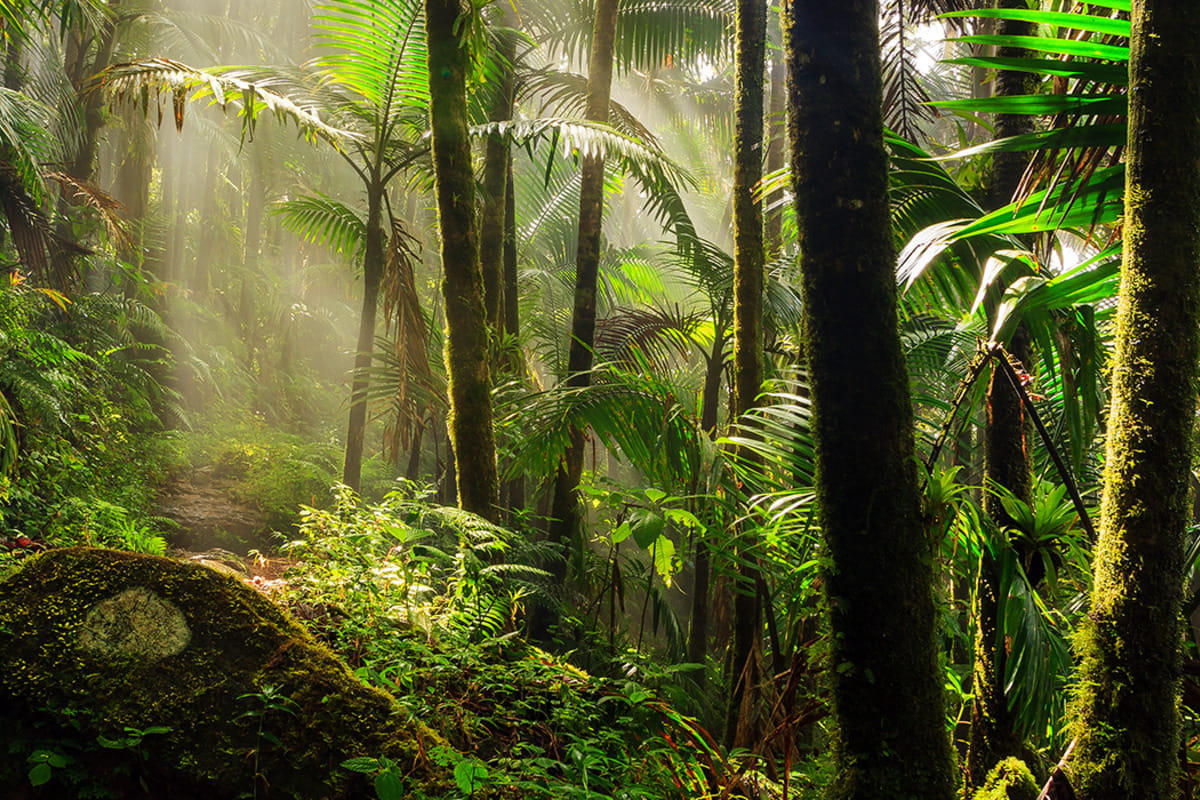
Tropical forests stand as the true lungs of our planet, where every square meter teems with life and conceals mysteries humanity has yet to fully unravel. You may not have known that these verdant labyrinths, covering merely six percent of Earth’s surface, serve as home to more than half of all known animal and plant species on our planet. Fascinating facts about tropical rainforests will reveal a world where trees soar to skyscraper heights while insects possess medicinal properties that medicine only discovered centuries later. Interesting facts about these unique ecosystems help us understand why their preservation is critically important not only for wildlife but for the future of all humankind.
- Tropical rainforests produce approximately twenty percent of the planet’s oxygen though most of this oxygen is quickly consumed by the forest itself through intense respiration of organisms. These forests are often called the lungs of Earth although oceanic algae actually serve as the primary source of atmospheric oxygen. The most crucial role of tropical rainforests lies in absorbing carbon dioxide which helps slow global warming and stabilize our climate system.
- Tropical rainforests contain more than fifty million different insect species many of which remain undescribed by science. A single hectare of Amazon rainforest may host more tree species than exist across the entire continent of North America combined. This extraordinary biodiversity creates intricate ecological relationships where the disappearance of one species can trigger chain reactions causing other organisms to vanish as well.
- The canopy of tropical rainforests forms a separate world thirty five meters above the forest floor where up to ninety percent of forest animals make their home. This aerial kingdom hosts unique ecosystems including epiphytic plants that feed on rainwater and organic debris rather than soil. Many species never descend to the ground spending their entire lives among branches and leaves high above the dark forest understory.
- Soils in tropical rainforests are actually quite poor in nutrients because intense rainfall has washed away minerals over thousands of years. Nearly all nutritional energy concentrates not in the soil but within the living biomass of trees animals and microorganisms themselves. When forests are cleared the soil rapidly loses fertility transforming into agricultural wasteland within just a few years.
- Tropical rainforests play a pivotal role in the global water cycle evaporating massive volumes of water that form clouds and influence climate patterns even on other continents. The Amazon alone generates so called flying rivers that transport moisture across South America delivering rainfall to distant regions far from the forest itself. Deforestation can disrupt these atmospheric flows potentially causing droughts thousands of kilometers from the actual clearing site.
- More than two thousand different species of medicinal plants have been discovered in tropical rainforests with many modern pharmaceuticals developed from their compounds. The antimalarial drug quinine comes from cinchona tree bark while certain plants contain substances used in cancer chemotherapy treatments. Less than one percent of rainforest plants have been studied for medicinal properties meaning thousands of potential cures could vanish alongside disappearing forests.
- The tallest trees in tropical rainforests reach heights exceeding eighty meters equivalent to a twenty five story building. These giants withstand their own tremendous weight and powerful winds thanks to specialized trunk structures and extensive root systems. Their crowns form a dense roof that blocks up to ninety five percent of sunlight preventing it from reaching the dark forest floor below.
- Tropical rainforests harbor indigenous tribes that remain isolated from modern civilization having never made contact with the outside world. Some of these groups inhabit the depths of the Amazon or remote Indonesian islands maintaining traditional lifestyles unchanged for thousands of years. Contact with outsiders often leads to tragedy as these people lack immunity to common diseases that prove fatal to them.
- Tropical rainforests absorb billions of tons of carbon dioxide annually making them critically important in combating climate change. When forests are cleared or burned the stored carbon returns to the atmosphere accelerating the greenhouse effect. Losing just one hectare of rainforest releases as much carbon dioxide as one hundred cars emit over an entire year.
- Tropical rainforests contain plants that produce their own natural sunscreen in the form of special chemical compounds that absorb harmful ultraviolet radiation. Some insects utilize these substances for protection against predators while humans have learned to incorporate them into cosmetic products. These natural defense mechanisms evolved over millions of years demonstrating the remarkable adaptability of tropical flora.
- The fastest growing trees in tropical rainforests can reach ten meters in height within a single year to break through the dense canopy toward sunlight. These trees often feature soft wood and short lifespans but play vital roles in forest regeneration following disturbances. Their rapid growth provides shade for slower growing species that will eventually replace them in mature forest ecosystems.
- Tropical rainforests provide habitat for more than half of all known bird species on Earth including brilliantly colored parrots toucans and hummingbirds. Many birds serve crucial functions in seed dispersal carrying seeds great distances through their digestive tracts. This symbiotic relationship between birds and plants forms the foundation for maintaining biodiversity within tropical ecosystems.
- Tropical rainforests host fungi that create underground networks spanning kilometers connecting trees and enabling them to exchange nutrients and even warn each other about dangers. These networks are sometimes called the Wood Wide Web because they function like a natural internet for the forest. Through these fungal connections mature trees can transfer resources to young seedlings enhancing their survival chances.
- Many animals in tropical rainforests have developed unique camouflage mechanisms to avoid predators or hunt prey without detection. Some butterflies possess wings that perfectly mimic leaves or tree bark while other insects resemble flowers to attract pollinators. This mimicry results from millions of years of evolutionary pressure demonstrating the extraordinary complexity of tropical ecosystems.
- Tropical rainforests receive between two and ten meters of rainfall annually which is dozens of times more than temperate regions experience. These constant rains create conditions for continuous plant growth but also cause rapid decomposition of organic matter. Consequently tropical forest floors contain almost no fallen leaves since insects fungi and bacteria quickly recycle them.
- The oldest tropical rainforests on Earth have existed for more than one hundred million years making them contemporaries of the dinosaurs. These ancient ecosystems survived multiple mass extinctions and climate shifts thanks to their remarkable resilience and adaptability. Modern tropical rainforests serve as living museums of evolutionary history where species little changed since the Cretaceous period still thrive today.
- Tropical rainforests contain plants that communicate with each other through chemical signals when attacked by insects or herbivores. Neighboring plants detect these signals and begin producing toxic compounds to protect themselves from potential attacks. This form of plant communication reveals unexpected complexity in intellectual processes within the botanical world.
- Tropical rainforests are the source of more than twenty five percent of all agricultural crops cultivated by humanity today including coffee cocoa bananas and pineapples. Many of these plants were domesticated by indigenous peoples thousands of years ago before spreading globally much later. Preserving the genetic diversity of wild ancestors of these crops remains critical for developing new varieties resistant to diseases and climate change.
- The largest tropical rainforests on Earth span the Amazon Congo and Southeast Asian basins with some extending across millions of square kilometers. The Amazon basin alone contains more rivers than any other region on Earth including over one thousand tributaries feeding the mighty Amazon River. These forests function not merely as tree collections but as complex hydrological systems where water continuously cycles between soil plants and atmosphere.
- Many species in tropical rainforests demonstrate remarkable specialization where one organism exists exclusively in symbiosis with another. For instance certain fig species can be pollinated only by specific wasp species that co evolved together over millions of years. Such interdependence makes ecosystems extremely vulnerable since losing one species can trigger the disappearance of its symbiotic partner.
Tropical rainforests remain Earth’s most vital ecosystems whose fate directly influences global climate human health and planetary well being. Incredible facts about these green giants confirm that every tree every insect and every raindrop within these forests plays an essential role in sustaining life on our planet. Interesting facts about tropical rainforests remind us that Earth’s true wealth lies not beneath the surface but within the living systems surrounding us. Fascinating discoveries within these verdant labyrinths will continue inspiring scientists and conservationists to seek solutions to global challenges within the wisdom accumulated through millions of years of evolution.


