
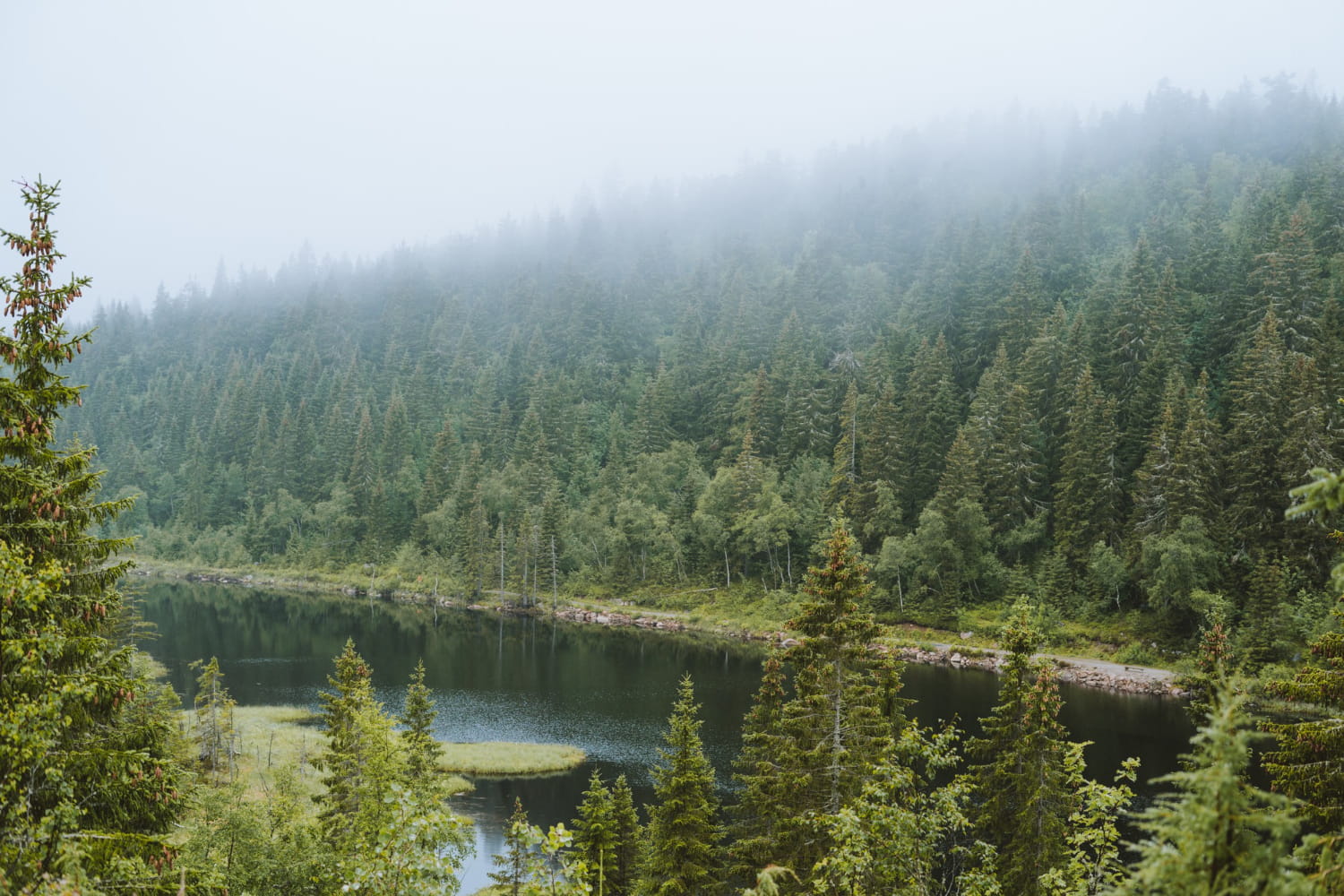
Imagine an endless sea of coniferous trees that stretches across entire continents and forms the largest terrestrial biome on our planet. This amazing realm of cold and eternal greenery hides many secrets that an ordinary person does not even suspect in everyday life. Many consider this area simply a continuous forest, but in reality it is a complex ecosystem with unique laws of existence. We have gathered for you the most interesting facts, incredible discoveries and fascinating details that will reveal the true essence of this natural phenomenon. You might not know how profound an influence the taiga has on the global climate and the life of the entire Earth, so it is worth delving into this world in more detail.
- The taiga occupies approximately eleven percent of all land surface on our planet, which makes it the largest biome in the world by area. It covers vast territories of North America, Europe and Asia, creating a continuous green belt around the northern hemisphere. This forest massif is so large that it can even be seen from space as a dark stripe encircling the Earth. Without this colossal vegetation, the climatic balance of the planet would be disrupted forever and irreversibly.
- The main feature of the trees here is their ability to survive in conditions of extremely low temperatures and a short vegetation period. Needles instead of leaves allow plants to conserve moisture and not shed nutrients annually, which is critical for the poor soils of the region. Some species of pines can live for hundreds of years, gradually adapting to the harsh environment and strong constant winds. Their shape often resembles a cone so that snow does not break the branches under its weight during winter.
- Under the thick carpet of fallen needles lies permafrost that never thaws even in the warmest summer months of the year. This frozen layer of soil acts as a natural refrigerator that preserves huge reserves of carbon and methane over many millennia. If global warming accelerates the melting of permafrost, it could lead to the release of greenhouse gases on an unprecedented scale. Such a process is capable of radically changing the climatic picture of the entire world in a very short historical time.
- Some of the largest predators on the planet inhabit these forests, including the Amur tiger and the Siberian bear, which have perfectly adapted to the cold. The fur of these animals becomes significantly thicker in winter, allowing them to withstand frosts below minus fifty degrees without any discomfort. They have special fat reserves that help them survive the long months when finding food is extremely difficult in the snow. Hunting in such conditions requires exceptional endurance and great patience from predators for survival.
- Forest fires are a natural part of the life cycle of the taiga because they help renew the ecosystem and free up space for young shoots. Seeds of some pine species can only germinate after the high temperature of fire opens their hard protective cones. The ash remaining after burning enriches the poor soil with necessary minerals for the growth of new vegetation in the next season. Without these periodic outbreaks, the forest would gradually age and lose its biological diversity with each passing year.
- Mosquitoes and midges in the taiga reach such incredible sizes and numbers that they form separate clouds visible to the naked eye during flight. These insects are the main source of food for migratory birds that specifically fly here during the short summer to feed their offspring. Local deer and moose have developed unique behavioral strategies to avoid attacks from these bloodsucking insects on hot days. Sometimes animals go deep into the water or onto windy hilltops to find relief from annoying pests.
- Rivers and lakes in this region often have a dark color due to the high concentration of organic substances washed out from swamps and coniferous forest litter. This water is rich in tannins that act as a natural preservative and prevent the reproduction of many types of harmful bacteria in water bodies. Despite the harsh climate, unique species of fish capable of surviving in cold water with low oxygen content inhabit these reservoirs. Ice on rivers can last up to seven months a year, creating temporary bridges for animal migration between banks.
- The soundscape of the taiga changes radically depending on the season because in winter almost absolute silence reigns due to the absence of insects and birds. Snow absorbs the sounds of footsteps, so moving through the forest becomes an almost silent process, which makes hunting difficult for both predators and prey simultaneously. In spring, however, the forest fills with the loud singing of birds and the noise of melting snow, creating a real symphony of the revival of life around. This contrast between winter silence and summer bustle is one of the brightest characteristics of this biome.
- Indigenous peoples of the North have lived in harmony with the taiga for thousands of years, using its resources without harming the fragile ecosystem of the region. Their traditional knowledge includes the ability to navigate by the stars, predict the weather by the behavior of animals and treat diseases with local herbs. Modern science is only beginning to understand the depth of wisdom embedded in the culture of these peoples regarding interaction with nature. The loss of such unique cultures would mean the irreversible loss of important knowledge about survival in extreme northern conditions.
- The taiga serves as a giant filter that cleans the atmosphere of harmful impurities and produces a huge amount of oxygen for the entire planet. One tree over its life cycle can absorb tons of carbon dioxide, converting it into useful organic mass for growth. The scale of this process is so large that logging even a small part of the forest could have catastrophic consequences for the global climate. Preserving this green shield is one of the most important tasks of humanity today and in the future.
These fascinating facts demonstrate how complex and vital the taiga is for the existence of all life on Earth. Every detail of this ecosystem, from microscopic moss to the giant bear, plays its unique role in maintaining global balance. We should protect this invaluable gift because its destruction will lead to irreversible changes that we cannot yet fully comprehend. Only a conscious attitude towards nature will allow us to preserve this amazing beauty for future generations of people.


