
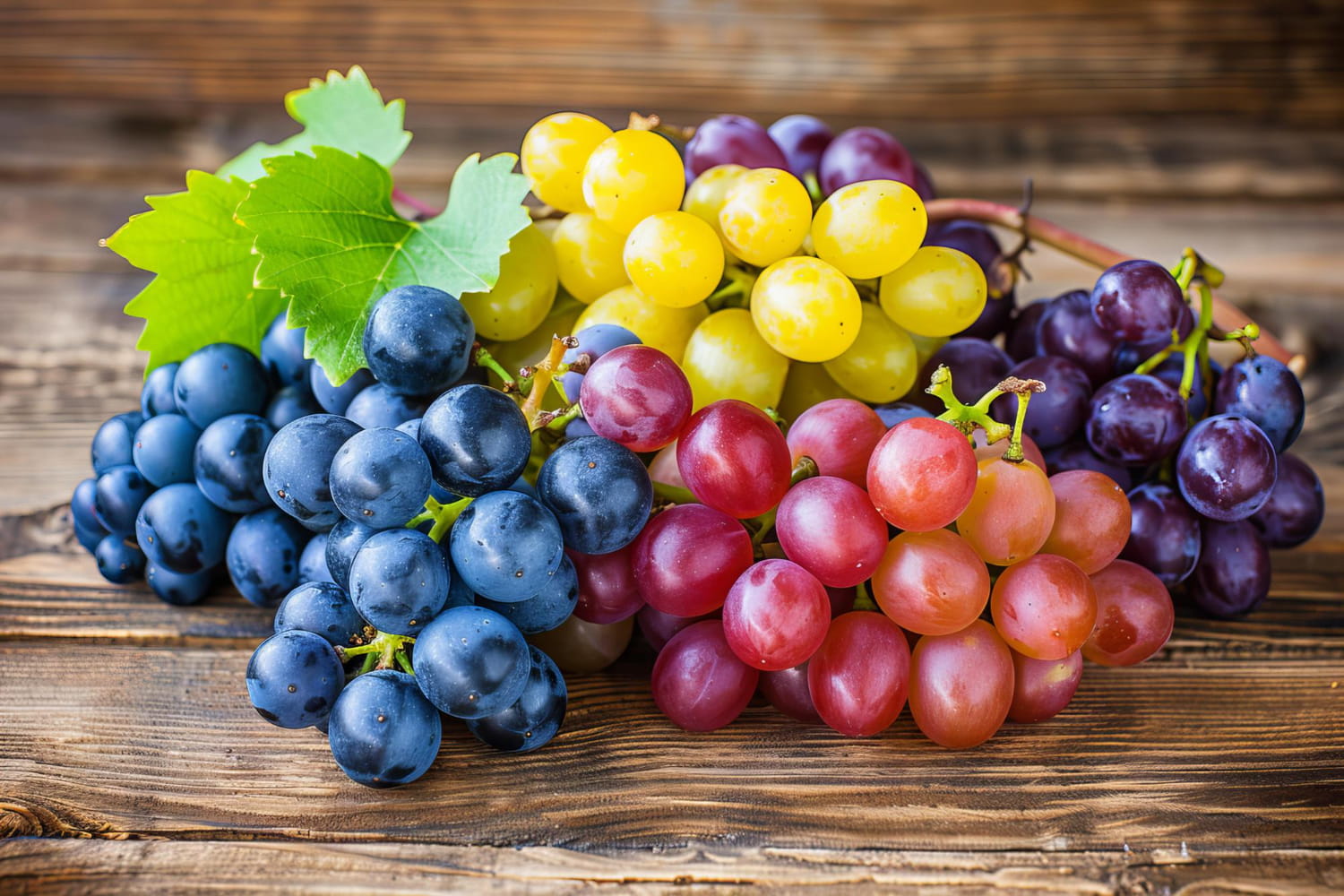
Grapes are one of the oldest cultivated plants that humanity has been growing for many millennia for food and beverage production. Many people consume these sweet berries daily, yet you might not know about their deep historical roots and unique properties. This article gathers fascinating facts that reveal the secrets of grapevines and their influence on human health. Each point in our review contains amazing facts that ordinary cookbooks often overlook. Let us together explore this wonderful world through the lens of lesser-known stories and scientific discoveries.
- Archaeological findings indicate that grapes were cultivated as early as six thousand years ago in the territory of modern Georgia. This makes the berry one of the oldest agricultural products in the history of civilization. Ancient people quickly appreciated the nutritional value of the fruits and the ability to store them as wine for extended periods.
- There are more than eight thousand different varieties of grapes grown in various corners of our planet. Most of these varieties are used for producing alcoholic beverages rather than for direct consumption. Each variety possesses a unique flavor, aroma, and chemical composition that influences the final product.
- The color of grape berries depends on the presence of special pigments called anthocyanins in the fruit skin. White grapes practically lack these pigments, while red and black varieties accumulate them in large quantities. These substances give the berries powerful antioxidant properties that protect the human body.
- Grape seeds contain a significant amount of beneficial oils and biologically active compounds that strengthen blood vessels. Many cosmetic manufacturers use seed extract to create anti-aging products for skin care. Consuming whole berries together with seeds may improve the overall condition of the human cardiovascular system.
- Grape leaves are widely used in the cuisine of many peoples for preparing national dishes. The most famous dish is dolma, where minced meat is wrapped in young grape leaves and cooked in a special brine. This product is rich in vitamins and minerals, making it a valuable addition to the diet.
- Fresh grape juice can ferment naturally within a few hours after pressing due to yeast present on the skin. Louis Pasteur studied this process and created the pasteurization method to stop fermentation and keep the juice fresh. This discovery allowed people to drink grape juice without alcohol content for extended periods.
- Grapes occupy enormous areas of agricultural land worldwide and surpass many other fruit crops in cultivation scale. The total area of vineyards constantly changes depending on economic conditions and demand for wine. Mediterranean countries traditionally lead in growing this heat-loving plant.
- Raisins are formed through natural or artificial drying of grape berries under the sun. This process preserves most of the fruit’s nutrients but significantly increases the concentration of sugar and calories. Dried berries can be stored for months without refrigeration thanks to their low moisture content.
- In ancient Egypt, grapes were considered a sacred fruit and were often placed in pharaohs’ tombs for the afterlife. Egyptians knew how to grow different varieties and even produced wine of various colors for ritual ceremonies. Depictions of grapevines can be seen on the walls of many ancient temples of this civilization.
- Greek mythology connects grapes with the god Dionysus, who taught people the art of winemaking. Celebrations in honor of this deity were accompanied by merriment, dancing, and consumption of young wine. The culture of viticulture spread along with Greek colonies throughout the Mediterranean coast.
- A grapevine can live and produce fruit for up to one hundred years given proper care and protection from diseases. Older vines yield smaller harvests, but the berries from them have more intense flavor and aroma. Some vineyards in France and Italy still use roots that are more than a century old.
- Producing one bottle of wine requires approximately six hundred grams of fresh grapes depending on the variety. This process demands substantial manual labor during the harvesting and sorting stages. The quality of the final product directly depends on the condition of the fruits when they reach the press.
- Grapes contain resveratrol, which is a powerful antioxidant that protects cells from premature aging. This substance is produced by the plant to defend against fungal infections and ultraviolet radiation. Research indicates that regular consumption of grapes may reduce the risk of developing certain types of cancer.
- Scientists have discovered that grape extract improves memory and cognitive functions in elderly individuals. Regular consumption of berries promotes better blood supply to the brain and protects neurons from damage. This makes the product beneficial for preventing Alzheimer’s disease and other neurodegenerative conditions.
- Grapes are toxic to dogs and can cause kidney failure in them even in small quantities. Pet owners should be cautious and avoid giving these berries as treats to their animals. The mechanism of this toxicity has not yet been fully studied by veterinary science.
- There is an interesting phenomenon where a bunch of grapes explodes in a microwave oven due to plasma formation between the berries. This occurs because of electromagnetic wave concentration at the point where two halves of a berry touch. This physics experiment demonstrates the unique properties of water and salt contained in the fruits.
- Grape sugar is absorbed very quickly by the human body and provides an instant energy boost. Athletes often use grape juice during competitions to restore their strength. However, people with diabetes should limit their consumption of these berries due to their high glycemic index.
- China is the world’s largest grape producer, surpassing traditional European countries in harvest volume. The Asian market consumes enormous quantities of fresh berries for desserts and festive tables. Europe remains the leader in processing harvests into wine and other beverages.
- Grape seeds are used to produce oil that has a high smoke point and is suitable for frying. This oil is rich in vitamin E and polyunsaturated fatty acids that benefit heart health. It is also frequently added to salads as an alternative to traditional olive oil.
- In some cultures, grapes symbolize prosperity and fertility, which is why they are given as New Year gifts. Spaniards traditionally eat twelve berries while the clock chimes to attract good luck for each month. This tradition has become popular in many other countries around the world.
- Grapevines can cling to supports using tendrils that respond to touch within minutes. This mechanism allows the plant to reach toward sunlight and occupy vertical space in the garden. The speed of tendril response astonishes researchers studying the plant world.
- Frozen grapes become an excellent natural substitute for ice cubes when cooling beverages. The berry does not dilute the flavor of water or juice but gradually releases coldness and sweetness. This solution is environmentally friendly and saves electricity used in ice production.
- Grapes contain a substantial amount of potassium that helps regulate blood pressure in humans. Regular consumption of the product promotes the elimination of excess salt from the body through the kidneys. This makes the berry beneficial for people suffering from hypertension.
- There is a grape variety that has no seeds and was bred by selectors specifically for convenient consumption. Such berries often have a smaller size but are distinguished by high sweetness and tender flesh. They are ideal for preparing children’s food and desserts.
- Grape wine was used as an antiseptic for wound treatment in ancient times before the invention of antibiotics. Alcohol and the acidic environment helped stop bacterial growth in damaged tissues. Physicians of the past highly valued this beverage for its healing properties.
These fascinating facts only partially lift the veil of mysteries over this wonderful berry that has accompanied humanity through the ages. Every new discovery proves that grapes continue to amaze the world with their properties in science, cuisine, and medicine. We hope this collection inspires you to learn more about a culture where past and future walk hand in hand. The amazing facts presented here once again confirm the uniqueness of this plant on our world map.


