
Amaranths captivate the imagination as ancient cultivated plants that have accompanied humanity for thousands of years and continue to amaze with their unique properties. Many have heard about these plants merely as ornamental flowers, yet you might not know about their profound historical value and exceptional nutritional qualities. This article gathers fascinating facts that reveal the secrets of amaranths and their influence on human health. Each point in our review contains amazing facts that ordinary botanical references often overlook. Let us together explore this wonderful world through the lens of lesser-known stories and scientific discoveries.
- Amaranths were cultivated more than eight thousand years ago in territories of modern Central and South America. This makes them among the oldest agricultural crops in the history of civilization. Ancient peoples quickly appreciated the nutritional value of the seeds and the possibility of growing the plant in various climatic conditions. Archaeological findings confirm the importance of amaranth for pre-Columbian civilizations.
- For the Aztecs and Incas, amaranth was considered a sacred plant and used in religious rituals and ceremonies. Its seeds were mixed with honey to create figures of deities, which were then shared among festival participants. Spanish conquistadors prohibited the cultivation of this crop due to its pagan associations. Only in remote mountainous regions did traditions of growing amaranth survive to our days.
- Amaranth seeds contain a complete set of essential amino acids, making them a unique source of plant-based protein. Particularly valuable is the presence of lysine, which is typically lacking in other cereal crops. Such composition makes amaranth an ideal product for vegetarians and people with limited diets. Regular consumption promotes full development of muscle tissue and general strengthening of the body.
- Amaranth naturally does not contain gluten, making it a safe choice for people with celiac disease. This allows using amaranth flour for preparing various dishes without health risks. Many healthy food manufacturers include amaranth in their gluten-free product lines. This property makes this ancient crop especially relevant in the modern world.
- The plant demonstrates outstanding drought resistance and can grow on poor soils where other crops perish. Its deep root system allows accessing moisture from great depths even during the hottest periods. Rapid growth and high yield make amaranth promising for cultivation under climate change conditions. Farmers in many countries are returning to this crop as a reliable food source.
- Both seeds and leaves of amaranth are edible and widely used in the cuisine of various peoples. Young leaves are added to salads, soups, and stews, enriching dishes with vitamins and minerals. Seeds can be cooked as porridge, popped like popcorn, or ground into flour for baking. Such versatility makes amaranth a valuable component of a diverse diet.
- Red varieties of amaranth contain natural pigments called betalains, which are used as safe food colorings. These substances give products bright color without the need to add artificial additives. Betalains also possess antioxidant properties beneficial for protecting body cells. Natural coloring from amaranth is popular in the confectionery industry and beverage production.
- Oil from amaranth seeds is rich in squalene, a substance with powerful antioxidant and rejuvenating properties. Squalene promotes skin regeneration, strengthens immunity, and improves oxygen exchange in tissues. This component is highly valued in cosmetology for creating anti-aging products. Internal consumption of amaranth oil also brings significant benefits for overall health.
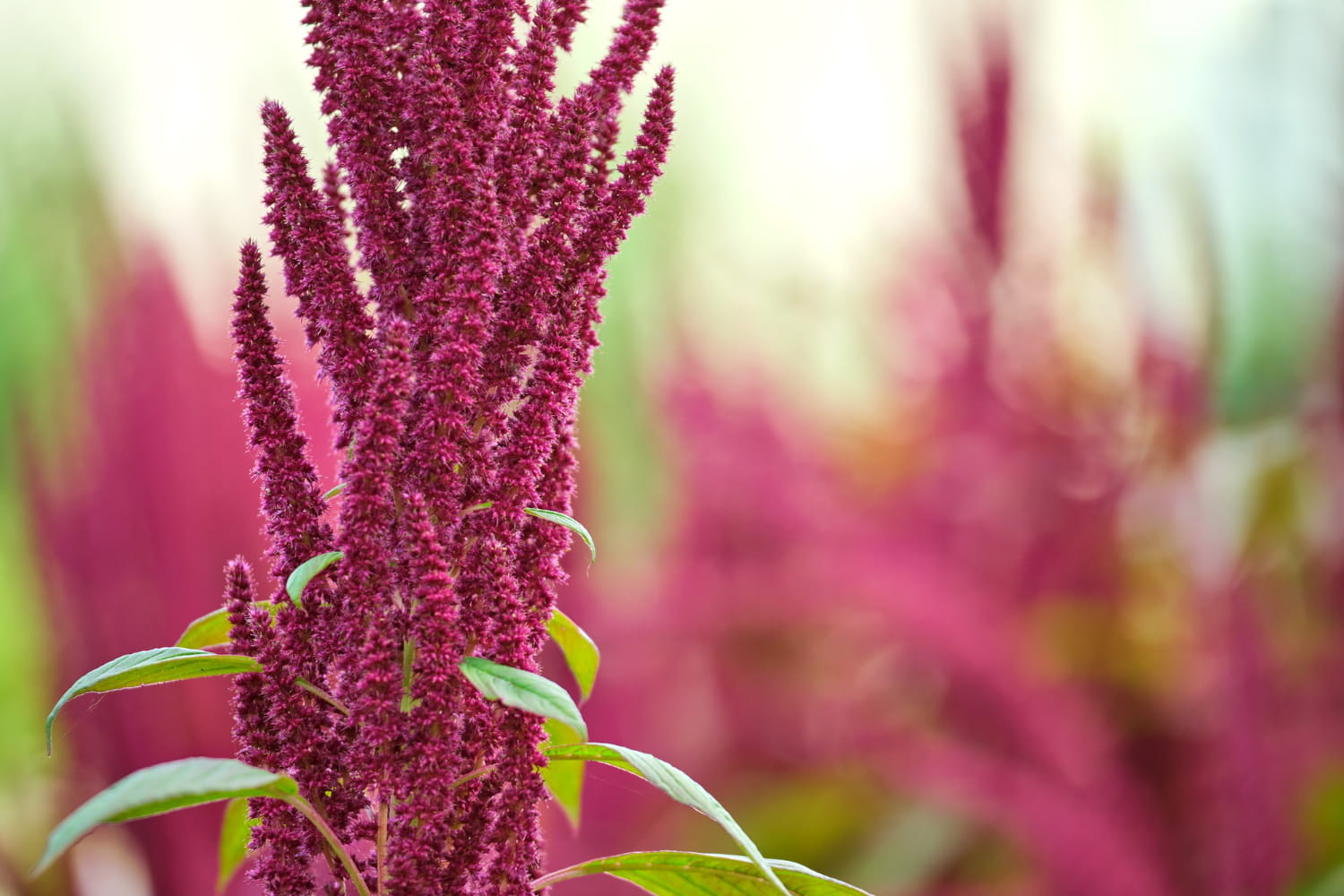
- Amaranths can reach heights of two to three meters, forming impressive spike-like inflorescences of bright shades. One plant can produce tens of thousands of tiny seeds, ensuring high reproductive capacity. When heated, amaranth seeds pop similar to popcorn, forming a light airy snack. In Mexico, such popped seeds are used to prepare traditional sweets called alegria.
- The name amaranth comes from a Greek word meaning unfading or immortal, reflecting the longevity of its flowers. In ancient Greek culture, this plant symbolized eternity and unbreakable spirit. Poets and artists often used the image of amaranth in their works as a metaphor of constancy. This symbolism has persisted in modern culture, inspiring people to seek eternal values.
- The amaranth genus includes more than sixty species, among which there are both cultivated plants and wild-growing weeds. Some species are widely used in ornamental gardening thanks to bright coloring of leaves and inflorescences. Others are considered aggressive weeds that quickly take over agricultural lands. Such diversity demonstrates evolutionary flexibility and adaptability of this plant genus.
- Amaranth contains high levels of calcium, iron, magnesium, and other minerals necessary for maintaining health. Regular consumption promotes bone strengthening, improved blood formation, and normalization of the nervous system. High fiber content aids digestion and supports intestinal health. These properties make amaranth a valuable component of balanced nutrition.
- Research shows that amaranth proteins have anti-inflammatory properties and may lower blood cholesterol levels. This makes the product useful for preventing cardiovascular diseases and atherosclerosis. Regular consumption also promotes improved metabolism and general strengthening of the body. Such properties attract the attention of the medical community to this ancient crop.
- Amaranth leaves are rich in vitamins A, C, and K, which support immunity, vision, and blood clotting. Young shoots contain more nutrients and have a more delicate taste, so they are often used fresh. Thermal processing preserves most beneficial properties, allowing preparation of various dishes. Such vitamin composition makes amaranth a valuable source of micronutrients in the diet.
- Amaranth is widely used as a fodder crop for livestock, providing animals with nutritious green feed throughout a long season. High protein and mineral content promotes rapid weight gain and improved animal productivity. The plant quickly regrows after cutting, allowing several harvests per season. Such efficiency makes amaranth a profitable choice for farming operations.
- Ornamental varieties of amaranth are popular in gardening thanks to bright coloring and long flowering until frost. Their lush inflorescences in various shades of red, purple, and gold create striking accents in flowerbeds. Plants combine well with other flowers and grasses, forming harmonious compositions. Low maintenance requirements make amaranth an ideal choice for beginner gardeners.
- Amaranth flour can be used for baking bread, cookies, and other products, giving them a light nutty flavor. It combines well with other types of flour, improving the nutritional value of finished dishes. Baking with amaranth stays fresh longer thanks to high oil content in seeds. Culinary specialists value this ingredient for versatility and beneficial properties.
- The deep root system of amaranth effectively prevents soil erosion, holding the fertile layer on slopes and windy areas. The plant also improves soil structure, enriching it with organic matter after roots die off. Growing amaranth in crop rotation promotes restoration of depleted lands and increased yield of subsequent crops. These properties make it a valuable tool for sustainable agriculture.
- Amaranth uses C4-type photosynthesis, making it extremely efficient in hot and dry climates. This mechanism allows the plant to conserve water and maximize energy production even at high temperatures. Such adaptation explains the successful spread of amaranth in tropical and subtropical regions of the planet. Researchers study these properties for creating more resilient agricultural crops of the future.
- Amaranth seeds do not contain gluten proteins that trigger immune reactions in people with celiac disease. This makes them a safe alternative to wheat, rye, and barley for those following a gluten-free diet. Many people without a celiac diagnosis also choose amaranth to improve digestion and overall well-being. Popularity of gluten-free products contributes to renewed interest in this ancient crop.
- In traditional Chinese medicine, amaranth was used to treat various ailments, from inflammation to digestive problems. Its anti-inflammatory and general tonic properties were highly valued by healers of the past. Modern research partially confirms the effectiveness of these traditional applications at the molecular level. This opens new perspectives for integrating traditional knowledge with modern science.
- Remains of amaranth have been found in archaeological excavations of settlements dating back several millennia before our era. These findings testify to the important role of this crop in the nutrition of ancient American civilizations. Studies of ancient specimens help scientists track the evolution and spread of amaranth through the centuries. Such historical heritage emphasizes the importance of preserving biodiversity of cultivated plants.
- Amaranth is capable of self-pollination but can also be cross-pollinated by wind or insects, ensuring genetic diversity. This flexibility allows the plant to adapt to various environmental conditions and maintain disease resistance. Breeders use these properties to develop new varieties with improved characteristics. Understanding pollination mechanisms helps optimize amaranth cultivation in different regions.
- Some amaranth species are used in phytoremediation for cleaning soils from heavy metals and other pollutants. The plant can accumulate toxic substances in its tissues without harming its own growth and development. After harvesting, contaminated plants are disposed of safely, leaving cleaned soil. Such ecological approach offers a sustainable solution for restoring degraded lands.
- Amaranth proteins have high digestibility compared to many other plant sources, making them valuable for nutrition. This is especially important for regions with limited access to animal proteins, where amaranth can become a key dietary component. High nutritional density contributes to combating malnutrition and improving population health. International organizations consider amaranth a promising crop for ensuring food security.
These fascinating facts only partially lift the veil of mysteries over this wonderful plant that has accompanied humanity through the ages. Every new discovery proves that amaranth continues to amaze the world with its properties in science, cuisine, and medicine. We hope this collection inspires you to learn more about a culture where past and future walk hand in hand. The amazing facts presented here once again confirm the uniqueness of this plant on our world map.


