
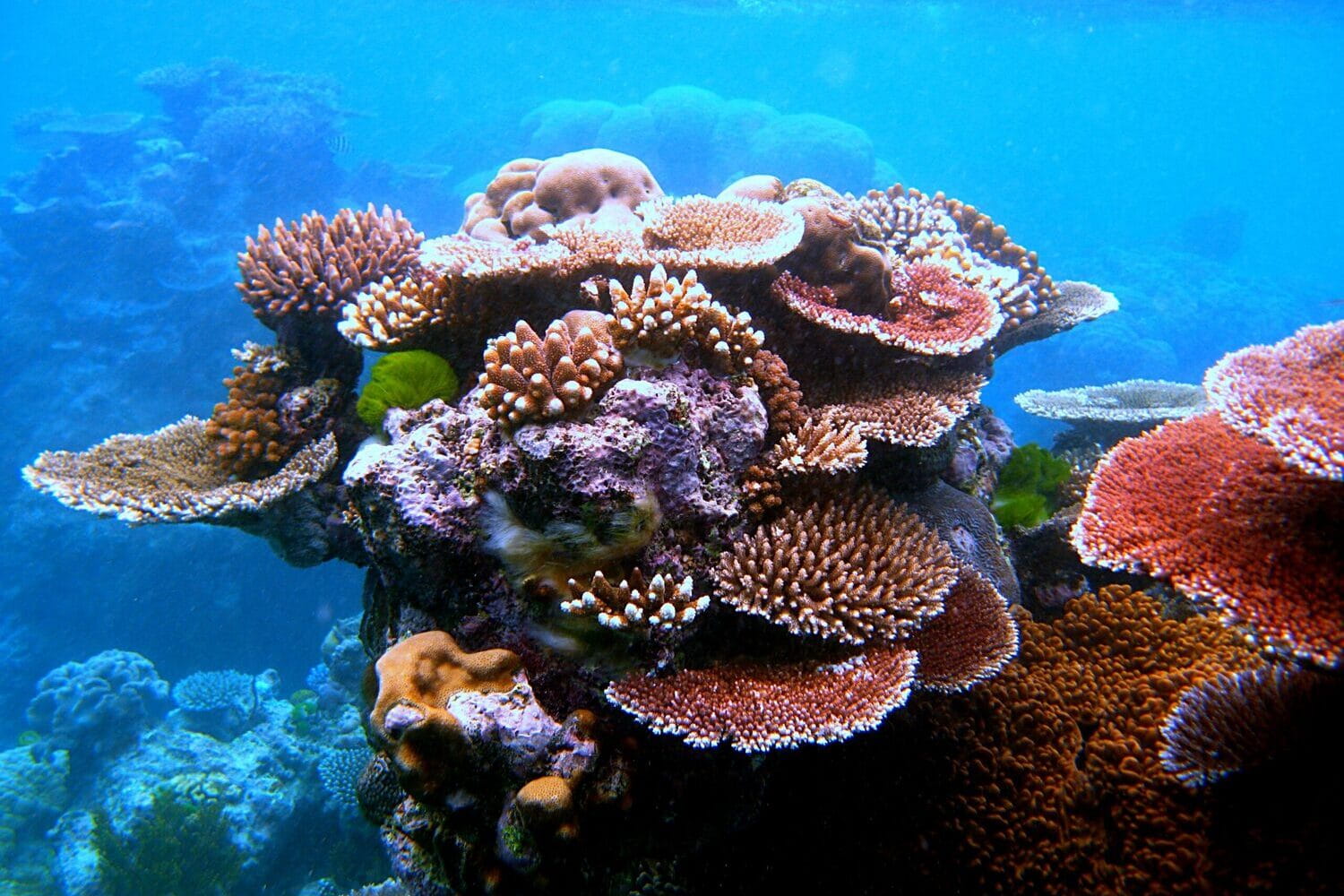
In the depths of the world ocean exists an amazing world where tiny creatures build gigantic underwater cities visible even from space. Coral polyps, these miniature marine animals, are true architects of reefs that form unique ecosystems of our planet. You might not know how complex and fascinating their lives are, as these organisms combine features of animals and plants in an astonishing symbiosis. We invite you to immerse yourself in a world of incredible facts that will reveal the secrets of the underwater kingdom of corals to you. These interesting facts will help you better understand the importance of preserving these fragile but vitally necessary marine communities.
- Coral polyps belong to the phylum Cnidaria and are close relatives of jellyfish and sea anemones, although at first glance they resemble miniature flowers. Each individual has a cylindrical body with a mouth surrounded by tentacles armed with stinging cells for hunting. These tentacles can paralyze small prey within seconds, providing polyps with necessary protein. Despite the simplicity of their structure, they demonstrate an amazing ability to coordinate within the colony.
- Most coral polyps live in close symbiosis with microscopic algae called zooxanthellae that inhabit their tissues. The algae perform photosynthesis and supply polyps with up to ninety percent of the energy they need in the form of organic compounds. In return, polyps provide algae with protection and access to sunlight. This mutually beneficial alliance is the foundation of tropical coral reef existence.
- Coral reefs form over millennia thanks to the ability of polyps to secrete calcium carbonate to create hard skeletons. Each new generation of polyps builds its home on the remains of predecessors, gradually increasing the reef’s size. Some large reef systems, such as the Great Barrier Reef, began forming more than twenty million years ago. The growth rate of different coral species varies from a few millimeters to twenty centimeters per year.
- Coral polyp reproduction occurs in two ways – sexually through releasing gametes into the water and asexually through budding. During mass spawning, billions of polyps simultaneously release eggs and sperm, creating a real snowfall underwater. Such synchronization increases the chances of fertilization and dispersal of young individuals to new territories. Budding allows the colony to grow quickly and recover after damage.
- The phenomenon of coral bleaching, known as bleaching, occurs when polyps lose their symbiotic algae due to stressful conditions. Rising water temperatures, pollution, or changes in salinity force algae to leave polyp tissues. Without them, corals lose their coloration and main source of nutrition, which can lead to their death. Global warming makes mass bleaching events increasingly frequent and prolonged.
- Coral polyps feed primarily at night when their tentacles extend to catch plankton and small organisms. Stinging cells on tentacles contain microscopic capsules with toxin that instantly paralyze prey upon contact. After capture, food is transported to the mouth by tentacle movement and digested in the gastric cavity. This process allows polyps to obtain additional nutrients besides those supplied by algae.
- There are two main groups of corals – hard corals that form reefs and soft corals that do not build massive skeletons. Hard corals create durable limestone structures, while soft corals have flexible skeletons made of gorgonin protein or calcareous spicules. Both groups play important roles in marine ecosystems, providing shelter for numerous fish and invertebrate species. The diversity of coral forms is astonishing – from branching structures to spherical colonies and fan-shaped formations.
- Coral reefs occupy less than one percent of the ocean floor, yet they are home to approximately one quarter of all known marine species. These ecosystems support incredible biodiversity, providing food, shelter, and breeding grounds for thousands of organisms. Reefs also protect coastlines from erosion by absorbing wave and storm energy. The economic value of reefs for fishing, tourism, and medicine is estimated at billions of dollars annually.
- Some species of coral polyps are capable of bioluminescence, emitting light through chemical reactions in their tissues. This phenomenon may serve to attract prey, deter predators, or facilitate communication among colony members. Research into bioluminescent properties of corals opens new possibilities for biotechnology and medical diagnostics. The glowing of corals in darkness creates an impressive spectacle similar to an underwater starry sky.
- Coral polyps communicate with each other through chemical signals, coordinating their actions within the colony. These signals may warn of danger, regulate growth processes, or synchronize reproductive cycles. Some research indicates the possibility of information transmission through a network of shared tissues connecting individual polyps. Such coordination allows the colony to function as a single superorganism.
- The age of individual coral colonies can reach several thousand years, making them among the longest-living organisms on the planet. Some deep-sea corals found in cold waters have ages exceeding four thousand years. Slow growth and longevity make corals particularly vulnerable to anthropogenic impacts and climate change. Preserving ancient colonies is critically important for maintaining genetic diversity of species.
- Coral polyps demonstrate an amazing ability to regenerate, restoring damaged tissues and even entire parts of colonies. This mechanism allows them to survive storms, predator attacks, and mechanical damage from anchors or divers. Research into regenerative properties of corals may provide valuable information for medicine and bioengineering. However, mass damage often exceeds the natural recovery capabilities of reef systems.
- Deep-sea corals inhabit significant depths where sunlight is absent, therefore they do not depend on symbiosis with algae. These organisms feed exclusively on plankton and organic particles sinking from upper ocean layers. They form unique cold-water ecosystems that remain poorly studied by science to this day. Discoveries of new deep-sea reefs constantly expand our understanding of coral community diversity.
- Coral skeletons serve as natural archives of climate history, preserving information about water temperature and ocean chemical composition of past eras. Analysis of growth rings in coral structures allows scientists to reconstruct climate changes over recent millennia. These data help predict future climate changes and develop adaptation strategies. Corals thus become important witnesses to the evolution of our planet.
- Medical research has identified biologically active compounds in coral polyps with anti-inflammatory, antiviral, and antitumor properties. Some of these substances are already used in pharmacology to create new drugs against cancer and infectious diseases. Ocean organisms remain a poorly studied source of potential pharmaceutical discoveries. Preserving coral reefs has not only ecological but also medical significance for humanity.
The world of coral polyps continues to amaze researchers with its incredible facts and complex adaptations to ocean life. Each new discovery in this field adds fascinating facts to our understanding of underwater ecosystems and their fragile balance. You might not know how important these tiny creatures are for planetary health, but it is precisely their uniqueness that makes corals a true wonder of nature. Interesting facts about coral polyps remain an important reminder of the necessity to preserve oceanic diversity for future generations.


