
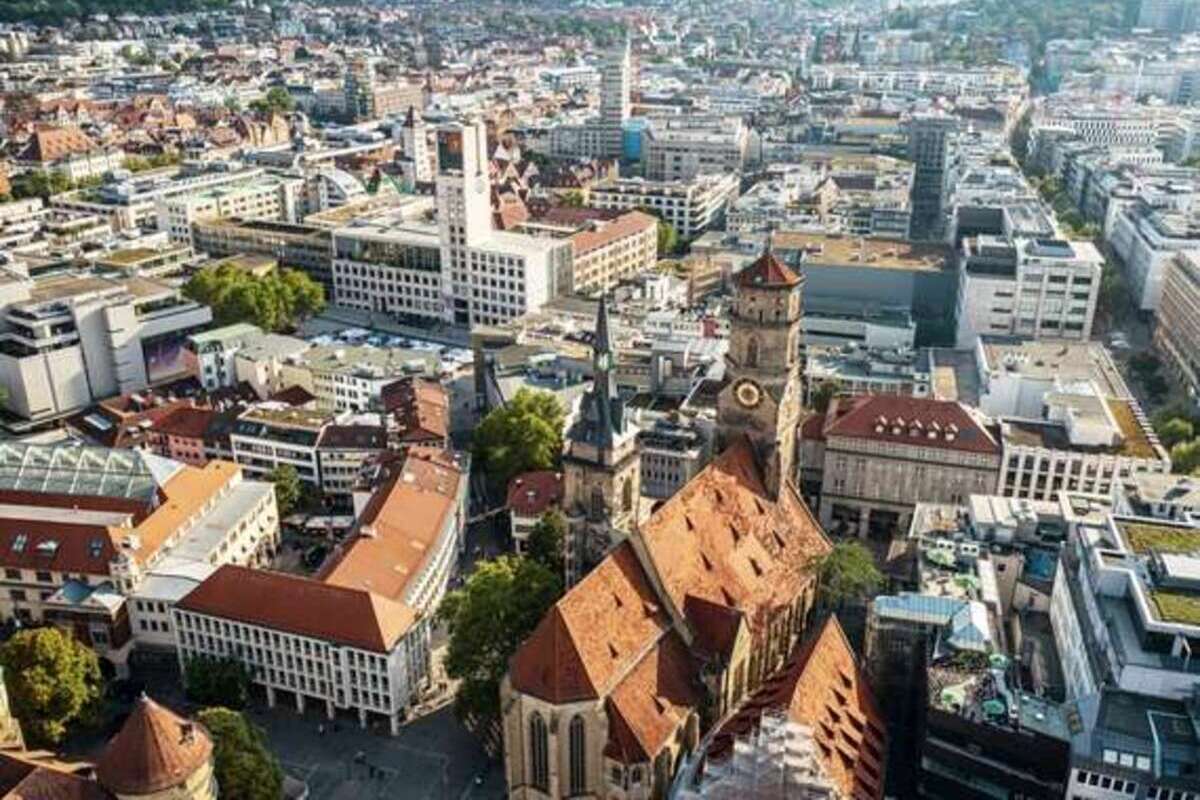
Stuttgart represents one of the most dynamic and technologically advanced cities in Germany, where innovation combines with rich historical heritage. Many people know this region only for its world-famous automotive brands, but in reality it conceals far more cultural and architectural treasures. You might not know that revolutionary technologies which changed the course of global industry and transport were born precisely here. In this article we will examine fascinating facts that will help better understand the uniqueness and multifaceted nature of this southern German city.
- Stuttgart was founded in nine hundred and fifty as a stud farm, which is evidenced by the very name of the city that translates as mare farm. This small settlement gradually transformed into an important trading centre of the region and maintained its significance throughout millennia. The medieval history of the city is reflected in historic buildings and museums that attract researchers and tourists. Today Stuttgart combines ancient traditions with modern technological achievements.
- The city is considered the cradle of the global automotive industry, as it was precisely here that Karl Benz and Gottlieb Daimler patented the first practical automobiles. These inventions revolutionised the transport system of the entire world and initiated a new era of mobility. Modern Mercedes-Benz and Porsche museums describe in detail this fascinating path of technical progress. Visitors can see unique exhibits and learn about innovations that are shaping the future of automobile manufacturing.
- Stuttgart is located in a picturesque valley surrounded by vineyards, which makes it one of the few major European cities with its own wine production. Urban vineyards occupy significant areas and produce high-quality wines, with Riesling and Trollinger varieties being particularly popular. Local winemakers adhere to centuries-old traditions and use modern technologies to achieve the perfect taste. Tastings and vineyard tours are popular among tourists and wine enthusiasts.
- The Stuttgart television tower, built in nineteen hundred and fifty-six, became the world’s first reinforced concrete television tower and set new standards for similar structures. Its innovative construction allowed efficient transmission of television signals over long distances. Today the tower is a landmark and offers a panoramic view of the city from its observation deck. This engineering masterpiece inspired architects around the world to create similar constructions.
- The Stuttgart city library is a modern architectural masterpiece in the shape of a perfect cube that amazes with its minimalist aesthetic. Its interior is characterised by space, light and functionality, creating ideal conditions for reading and learning. The library has become a symbol of openness of knowledge and cultural development of the city. This building regularly receives international awards for innovative design and architectural excellence.
- The Palace Square is the largest square in the centre of Stuttgart and serves as an important public space for residents and visitors of the city. Historic buildings are located around the square, including the New Palace and the colonnade, which create a magnificent architectural composition. Festivals, concerts and Christmas markets that attract thousands of visitors are regularly held here. The square is a favourite place for walks and relaxation in the heart of the city.
- The Cannstatter Volksfest, also known as the Stuttgart Cannstatter, is one of the largest folk festivals in Germany and surpasses many other events in terms of attendance. The celebration begins with a traditional balloon launch and lasts several weeks, offering entertainment for the whole family. Guests can enjoy fairground attractions, national dishes and local beverages in enormous tents. This festival demonstrates the rich cultural heritage of the region and the hospitality of local residents.
- Stuttgart possesses a unique Swabian dialect which differs significantly from standard German in its grammar and pronunciation. This vernacular is an important part of local identity and is passed down through generations via family communication and cultural events. Folklore groups and theatres actively promote the Swabian language through performances and radio programmes. Preserving this dialect helps maintain the cultural diversity of the region.
- The city is an important centre for scientific research and innovation, where numerous institutes of the Max Planck and Fraunhofer societies are located. These organisations patent thousands of technological solutions annually in the fields of engineering, medicine and ecology. Cooperation between universities, research centres and industry creates a powerful innovation cluster. Such concentration of intellectual potential makes Stuttgart a leader in the European technological revolution.
- The Stuttgart Ballet and the State Opera are considered among the most influential cultural institutions of contemporary Europe and attract art lovers from around the world. The repertoire of the theatres combines classical productions with experimental modern works by renowned choreographers and directors. Annual festivals and premieres become significant events in the cultural life of the city. High performance standards and innovative approaches ensure international recognition for these ensembles.
- The city has a developed public transport system that includes metro, trams, buses and even a rack railway for overcoming hills. This integrated network provides convenient and environmentally friendly travel for residents and tourists. Innovative solutions in transport infrastructure make Stuttgart an example of sustainable urban development. The efficiency and reliability of transport contribute to the high quality of life in the city.
- Stuttgart played an important role in the post-war reconstruction of Germany, becoming a symbol of the economic miracle and industrial revival. Local enterprises quickly adapted to new conditions and began producing innovative products for the global market. This experience of successful reconstruction inspired other European regions to undertake similar transformations. Today Stuttgart continues to be an example of resilience and entrepreneurship.
- The region around Stuttgart is famous for its cuisine, which combines traditional Swabian dishes with modern culinary trends. Spätzle, Maultaschen and various meat dishes are an integral part of the local gastronomic experience. Restaurants and wine cellars offer authentic flavours that reflect the rich culinary heritage of the region. Gastronomic tourism is becoming increasingly popular among visitors to Stuttgart.
- The city is actively implementing ecological initiatives and renewable energy sources, striving to become a leader in the field of sustainable development. Solar panels, wind turbines and energy-efficient buildings are becoming an integral part of the urban landscape. The government supports green projects and encourages residents to adopt an environmentally conscious lifestyle. These efforts contribute to improving air quality and preserving the natural environment.
- Stuttgart possesses a rich musical heritage, including a philharmonic orchestra and numerous music festivals that take place throughout the year. Local conservatories and music schools prepare talented performers who successfully appear on the international stage. Live music sounds in concert halls, churches and even on street squares, creating a unique cultural atmosphere. This musical diversity enriches the lives of residents and attracts art lovers.
Examining these incredible facts, we realise how multifaceted and innovative Stuttgart truly is. This city combines industrial power, cultural heritage and environmental awareness, reflecting the values of contemporary Europe. Fascinating facts about Stuttgart inspire new generations of researchers to discover the inexhaustible potential of this unique city. You might not know that every street and every innovation of this region tells a captivating story of human progress and creativity.


