
Table of Contents
Three countries, three traditions, three completely different personalities in a glass. Benket has put together a short guide to the world of brandy – from the sun-drenched cellars of Jerez to the Armenian highlands. This spirit is often seen as a single, uniform category, yet there is a world of difference between sweet Spanish brandy, fruity and resinous Greek brandy, and the deep complexity of Armenian blends. This article will help you understand where these differences come from and how to recognize them in the taste.
What Is Brandy and Why Does Its Style Depend on the Country?
Brandy is a distilled spirit made from grape wine or grape juice and aged in oak barrels. Its name comes from the Dutch word brandewijn, meaning “burnt wine.” The basic production process is similar across countries, but the details – grape varieties, barrel types, aging periods, and climate – create remarkably different final products.
Almost everything influences the taste and aroma of brandy: the temperature of the cellar where it matures, the humidity of the air, and the porosity of the wood. That is why Spanish brandy, produced in the heat of Andalusia, cannot taste the same as Armenian brandy, which matures in the cool underground cellars of Yerevan.
Spanish Brandy: Sweet Character and Full Body
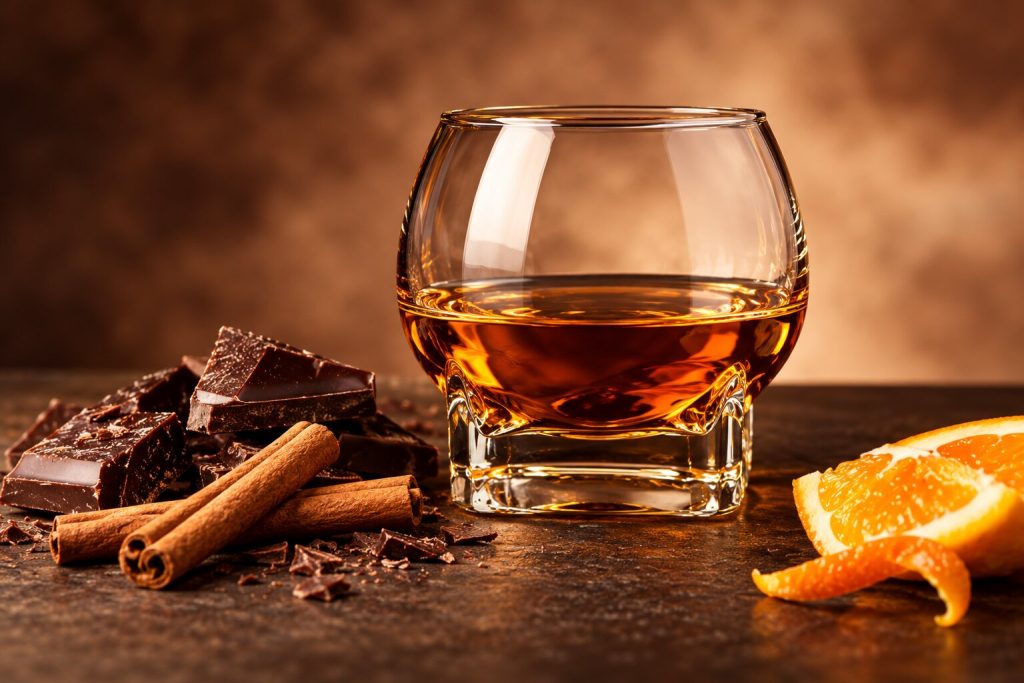
Spain is one of the world’s largest producers of brandy. The best-known examples come from the Jerez de la Frontera region, where an aging method known as “solera” is widely used. This is a system of gradual blending in which younger spirits are mixed with older ones across several rows of barrels. The solera system gives Spanish brandy its distinctive smoothness and complexity.
Characteristic features of the Spanish style include:
- pronounced sweetness and vanilla notes;
- a rich, dark color with amber highlights;
- aromas of dried fruit, nuts, and sometimes chocolate;
- a more oily, full-bodied mouthfeel.
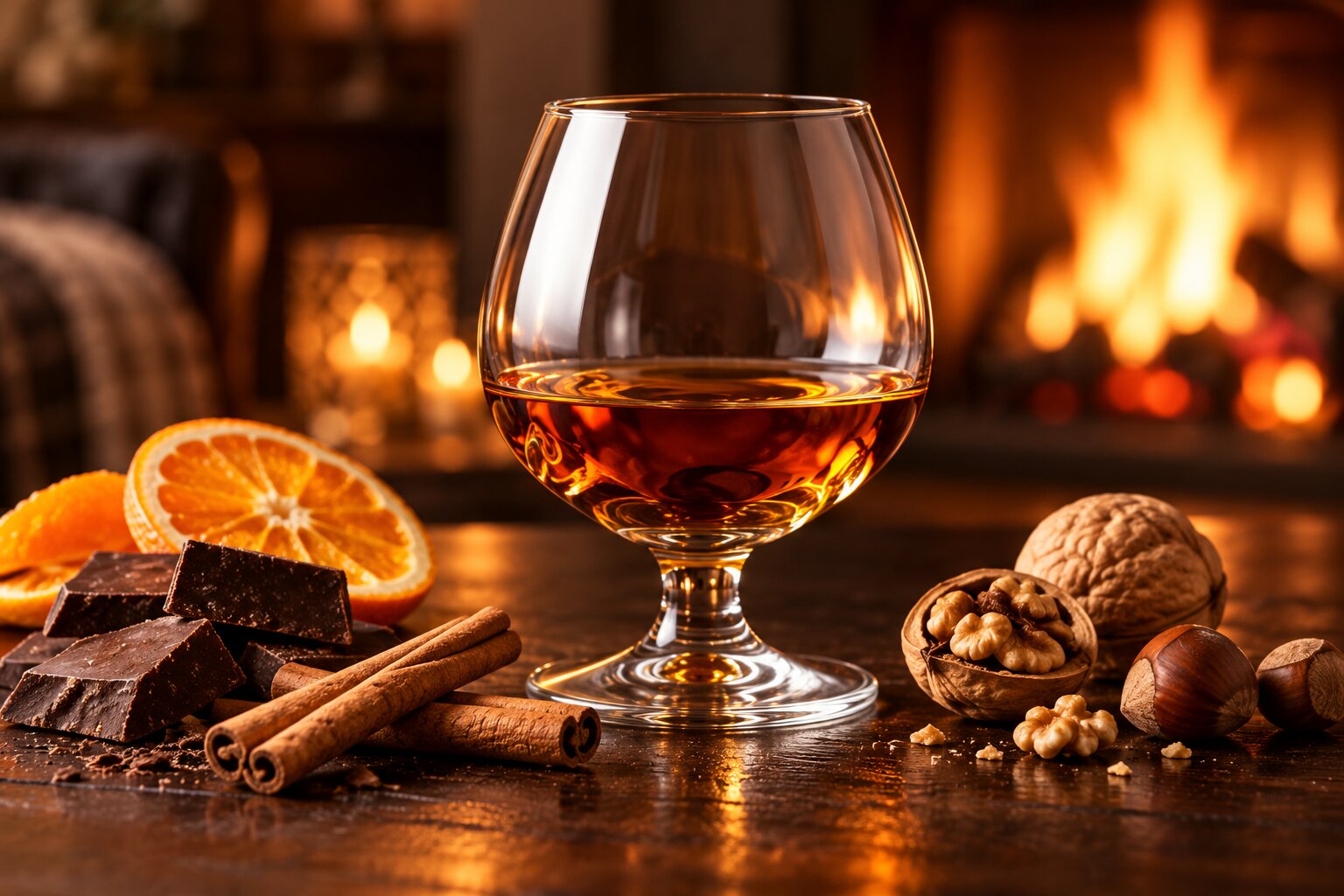
Spanish brandy is traditionally served at room temperature in a wide snifter glass, allowing its aromas to develop fully. It pairs beautifully with dark chocolate and aged cheeses.
Greek Brandy: Resin, Spices, and the Island of Samos
The Greek brandy tradition is closely associated with Metaxa, perhaps the most famous Greek spirit in the world. Technically, however, Metaxa is a blended spirit. Muscat wine from the island of Samos and rose distillate are added to the blend, making it unique in its category.
Traditional Greek brandy without additives is aged in French oak barrels. Greece’s climate – hot summers and mild winters – accelerates the interaction between the spirit and the wood. As a result, even relatively young Greek brandies develop a distinct woody and spicy foundation.
Differences between Greek and Spanish styles include:
- a less sweet, drier taste;
- noticeable resinous and herbal notes;
- a slight bitterness in the finish;
- fresher fruit flavors rather than the jam-like notes typical of Spanish brandy.
Greeks often drink brandy with ice or even dilute it with water. This is not considered disrespectful to the spirit but rather an established part of the local drinking culture.
Armenian Brandy: Depth, Restraint, and Age
Armenia has an officially documented tradition of brandy production dating back to the late 19th century. The first factory was founded by Nerses Tairov in Yerevan in 1877. Churchill reportedly called Armenian brandy his favorite drink, ordering hundreds of bottles of Ararat every year.
Armenian brandy is based on indigenous grape varieties, including Voskehat, Kangun, and Garandmak. These grapes grow at elevations of 800–1,400 meters above sea level, where daily temperature fluctuations give them exceptional aromatic potential. The spirit is aged in Caucasian oak barrels, which have denser wood than French oak and release a different range of compounds into the brandy.
What distinguishes the Armenian style:
- a firm, restrained character without excessive sweetness;
- aromas of dried flowers, Caucasian herbs, and vanillin;
- a long-lasting warming sensation after each sip;
- subtle oak bitterness that blends harmoniously into the spirit’s structure.
Armenian brandy is often classified by the number of stars or years of aging, ranging from ordinary three-year-old expressions to collectible 20-year-old varieties. The older the brandy, the more contemplative and reserved its character becomes.
How to Compare the Three Styles and Which One to Choose
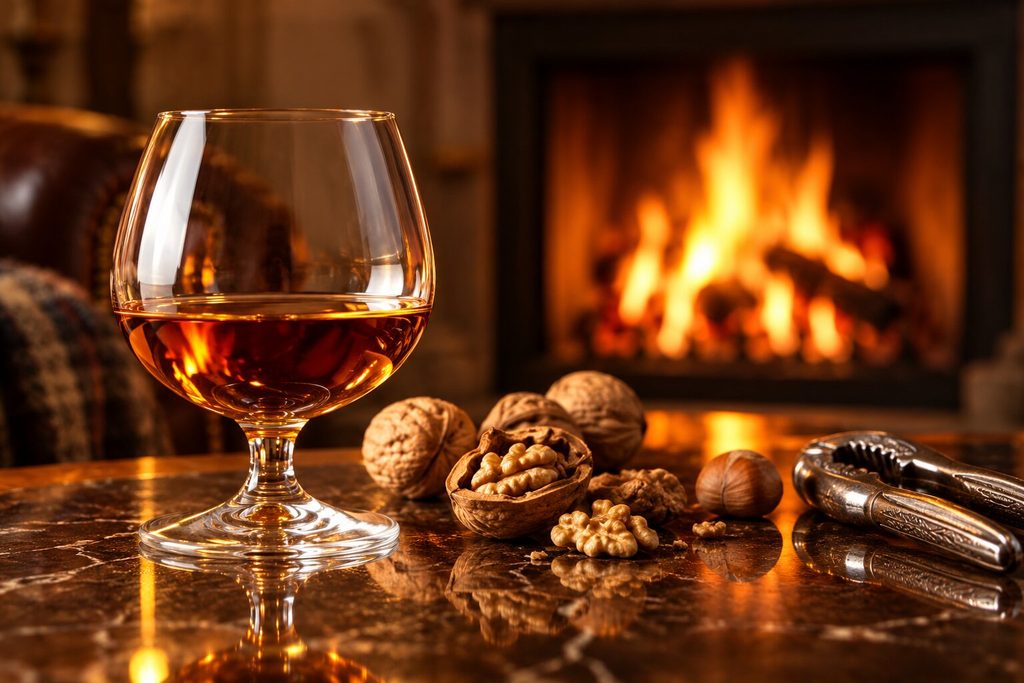
Place three glasses of brandy side by side – Spanish, Greek, and Armenian – and the differences will become obvious even to an inexperienced nose. Spanish brandy “speaks” immediately: sweet, warm, and enveloping. Greek brandy takes a moment before its spice and resin notes emerge. Armenian brandy remains quiet the longest but leaves the most lasting impression.
| Style | Main Taste | Key Aroma | Serving Method |
|---|---|---|---|
| Spanish | Sweet, full-bodied | Dried fruit, vanilla, nuts | Snifter, room temperature |
| Greek | Dry, spicy | Resin, herbs, fresh fruit | With ice or water |
| Armenian | Restrained, deep | Caucasian herbs, oak, vanillin | Snifter, slightly warmed |
For those just beginning to explore brandy, the Spanish style offers the most approachable starting point. More experienced enthusiasts looking for complexity and a firmer character often gravitate toward Armenian brandy. Greek brandy occupies its own distinct niche – light, summery, and Mediterranean.
Brandy is not a drink to be rushed. It is meant for a slow, relaxing evening rather than a quick toast. Try at least one example of each style, and you will discover that the world of grape spirits is much broader than you might have initially imagined.


