
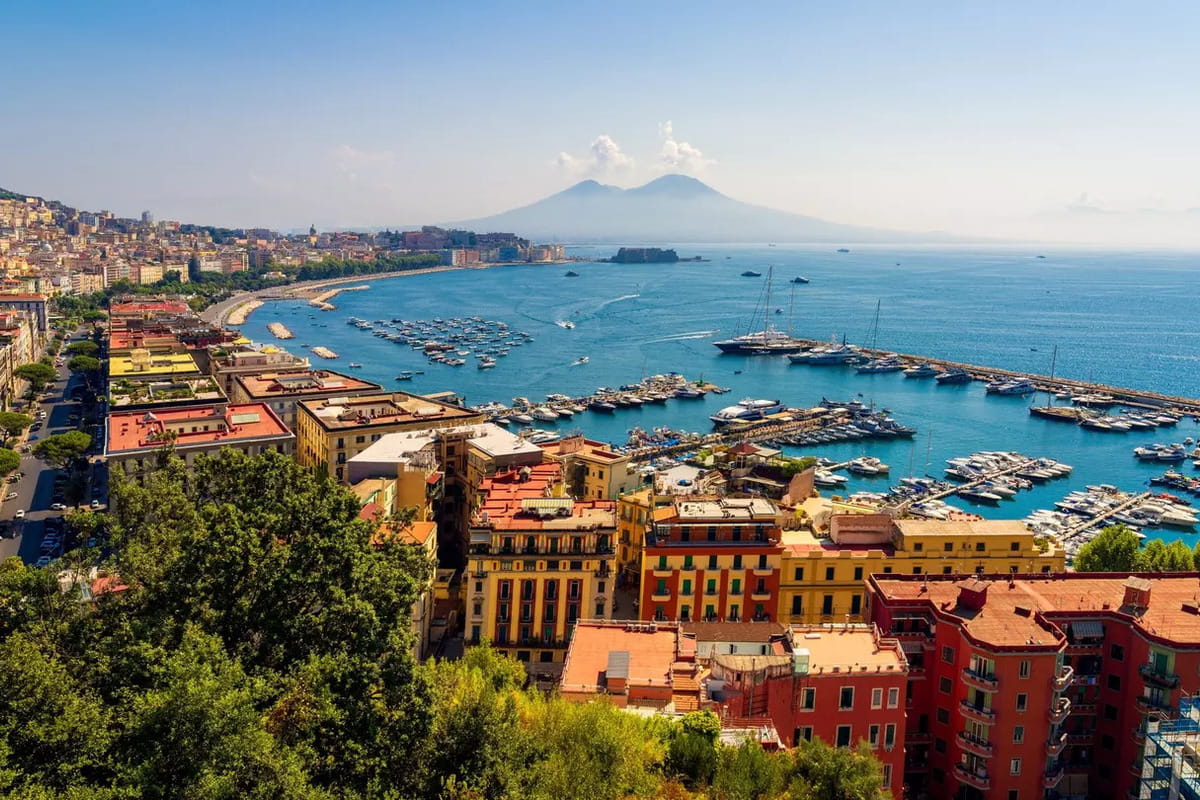
Naples represents one of the oldest and most culturally rich cities in Europe, where influences from Greek, Roman and medieval civilisations have intertwined throughout history. Many people know this land only for its delicious pizza and picturesque coastline, but in reality it conceals far more historical and architectural treasures. You might not know that important cultural traditions were born here, decisive events of European history took place, and unique artistic movements were formed in this remarkable place. In this article we will examine fascinating facts that will help better understand the uniqueness and multifaceted nature of this southern Italian city.
- Naples was founded by Greek colonists in the eighth century before Christ and was originally called Neapolis, which means new city. This settlement became an important trading centre in Magna Graecia and maintained its significance throughout millennia. Ancient Greeks brought their culture, architecture and philosophy to this place, which influenced the further development of the region. Today archaeological findings testify to the rich heritage of this period in the museums and streets of the city.
- The city is located at the foot of Mount Vesuvius, the only active volcano on mainland Europe. This geological neighbourhood has shaped the history of Naples throughout centuries, including the tragic eruption in seventy-nine AD. The soils around the volcano are extremely fertile, which promotes the development of agriculture and viticulture in the region. Modern scientists constantly monitor the activity of Vesuvius to ensure the safety of residents.
- Naples is considered the birthplace of pizza, and specifically the Margherita pizza was created here in eighteen hundred and eighty-nine. Legend has it that the dish received its name in honour of Queen Margherita of Savoy, who liked the colours of the Italian flag on the pizza. Local bakers adhere to traditional recipes and use special varieties of tomatoes and buffalo milk mozzarella. This culinary heritage has been recognised by UNESCO as an intangible cultural heritage of humanity.
- The historical centre of Naples is included in the UNESCO World Heritage List thanks to its unique architecture and rich history. Narrow medieval streets, ancient palaces and numerous churches create the unique atmosphere of this city. Many buildings combine elements from different epochs from antiquity to baroque, reflecting the complex history of the region. Walking these streets allows you to feel the true spirit of the Italian south.
- Under Naples there is an entire underground network of tunnels, caves and ancient aqueducts, known as Underground Naples. These structures were used throughout centuries for various purposes from water supply to shelter during bombings. Modern excursions allow visitors to explore these mysterious spaces and learn about the engineering achievements of the past. The underground city is a unique testament to human adaptation to difficult conditions.
- The San Carlo Theatre in Naples is one of the oldest opera houses in Europe, founded in seventeen hundred and thirty-seven. This majestic building amazes with its luxurious interior, golden decorations and world-class acoustics. Many famous composers, including Rossini and Donizetti, premiered their works precisely on this stage. The theatre continues to be an important centre of operatic art and attracts music lovers from all over the world.
- Naples has a unique coffee tradition known as solidarity coffee or suspended coffee. This custom involves paying for an extra cup of coffee for someone who cannot afford to buy one. Such practice reflects a deep sense of community and mutual aid characteristic of Neapolitan culture. Today this tradition is spreading to other countries as a symbol of humanity and generosity.
- The city is famous for its numerous churches and chapels, which according to legend number about three hundred and sixty-five. Each church has unique architecture, artistic frescoes and religious relics that reflect the centuries-old spiritual history of the region. Many of these temples combine different architectural styles from Romanesque to baroque. Visiting these shrines allows you to better understand the religious life and artistic heritage of Naples.
- The University of Naples Federico II, founded in twelve hundred and twenty-four, is one of the oldest state universities in the world. This educational institution has prepared many outstanding scientists, artists and political figures of Italy. The university continues to play an important role in the development of education and science in southern Italy. Its historical buildings and modern campuses create a unique academic environment.
- Naples possesses a rich artistic heritage, including works by Caravaggio, who lived in the city at the beginning of the seventeenth century. His works created in Naples are distinguished by dramatic use of light and shadow, which influenced the development of European painting. Local museums and churches preserve valuable collections of painting, sculpture and decorative arts. The legacy of these masters continues to inspire new generations of artists and researchers.
- The traditional Neapolitan amulet cornicello in the shape of a red horn is considered a powerful protection against the evil eye. This symbol is widely used in jewellery, home decorations and even cars. The production of cornicello has become an important part of local crafts and cultural identity. Many visitors bring this amulet as a souvenir symbolising luck and protection.
- Naples played a key role in the Second World War, becoming the first major Italian city to rise up against Nazi occupation. Four days of uprising in nineteen hundred and forty-three led to the liberation of the city and became a symbol of Italian resistance. Monuments and memorials remind us of the courage of residents and the importance of this historical moment. This event remains an important part of the collective memory of Neapolitans.
- The culinary heritage of Naples extends far beyond pizza and includes famous desserts such as sfogliatella and babà. Sfogliatella is a crispy pastry with ricotta filling, while babà is a rum cake that has become a symbol of Neapolitan confectionery mastery. Local confectioners adhere to traditional recipes passed down from generation to generation. These sweets are an integral part of the city’s cultural identity and attract gourmets from all over the world.
- The street Spaccanapoli literally cuts the historical centre of Naples in half, connecting different districts of the city. This long straight street passes through ancient quarters where authentic architecture and daily life of local residents have been preserved. Walking along Spaccanapoli allows you to feel the true atmosphere of Naples, its noise, smells and emotions. This street is a popular route for tourists who want to know the soul of the city.
- The Bay of Naples and its port have strategic importance for the Mediterranean, providing important trade and transport connections. The port of Naples is one of the most active in Italy, serving passenger and cargo ships from different countries. The picturesque coastline of the bay attracts millions of tourists seeking to enjoy the beauty of nature and historical monuments. This region combines economic importance with unique natural and cultural value.
Examining these incredible facts, we realise how multifaceted and historically significant Naples truly is. This city combines ancient traditions with modern life, natural beauty and cultural diversity. Fascinating facts about Naples inspire new generations of researchers to discover the inexhaustible potential of this unique corner of Italy. You might not know that every street and every tradition of this land tells a captivating story of human civilisation.


