
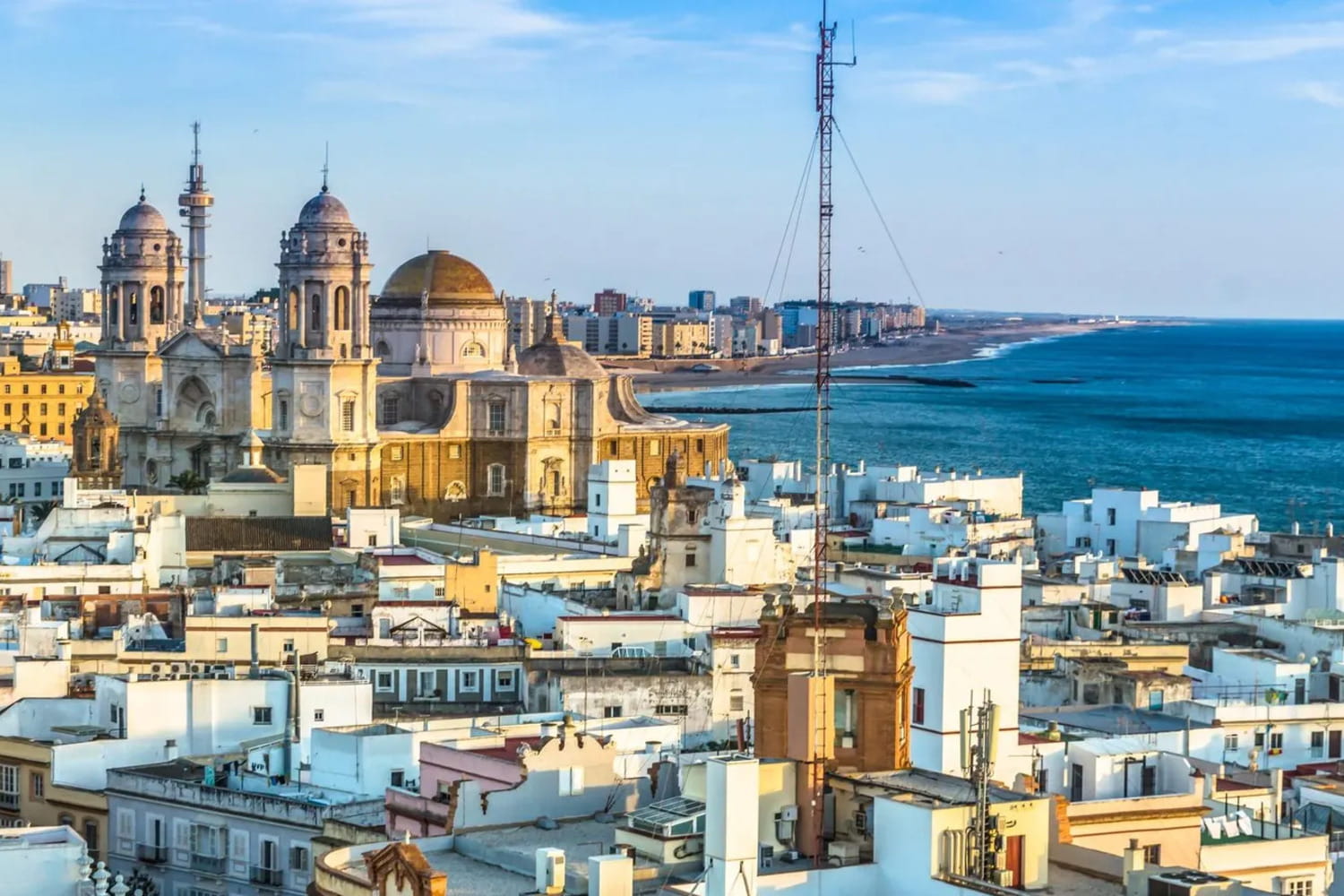
Andalusia represents one of the most vibrant and culturally rich regions of Spain, where influences from various civilisations and epochs have intertwined throughout history. Many people know this land only for its passionate flamenco and sunny beaches, but in reality it conceals far more historical and geographical treasures. You might not know that great artists were born here, decisive events of world history took place, and unique traditions were formed in this remarkable place. In this article we will examine fascinating facts that will help better understand the uniqueness and multifaceted nature of this southern Spanish region.
- Andalusia is located on the extreme south of Spain and is washed by the waters of the Mediterranean Sea and the Atlantic Ocean. This strategic geographical position makes the region a natural bridge between Europe and Africa. The Strait of Gibraltar at its narrowest point separates the continents by only fourteen kilometres of water. Such location has determined the trade and cultural connections of Andalusia with various peoples throughout centuries.
- The name of the region derives from the Arabic term Al-Andalus, which Muslim conquerors used to refer to the Iberian Peninsula. The period of Islamic rule lasted here for almost eight centuries and left a profound mark on architecture and culture. Many cities have preserved narrow winding streets and white houses characteristic of the Moorish style. This historical heritage makes Andalusia a unique place for studying medieval European history.
- The Alhambra in Granada is considered one of the most exquisite examples of Moorish architecture in the world. This palace and park complex amazes visitors with intricate ornaments, inner courtyards and fountains. Every element of the building carries symbolic meaning and reflects Islamic conceptions of paradise on earth. Millions of tourists visit this site annually, which is included in the UNESCO World Heritage List.
- Flamenco originated precisely in Andalusia and combines music, singing and dance from Gypsy, Arab and Spanish traditions. This art form has been recognised by UNESCO as an intangible cultural heritage of humanity. Authentic flamenco demands from the performer not only technical mastery but also deep emotional immersion. Many specialised venues in the region offer authentic performances for local residents and visitors alike.
- Andalusia consists of eight provinces, each possessing its own unique characteristics and cultural traditions. Seville serves as the capital of the region and is famous for its grandiose Gothic cathedral, the largest in the world. Cordoba is known for its Great Mosque, which combines Christian and Islamic architectural elements. Granada, Malaga and other cities also offer rich historical heritage and contemporary cultural events.
- The climate of Andalusia is characterised by hot dry summers and mild humid winters, which creates ideal conditions for agriculture. The region produces a significant portion of Spanish olive oil, and olive groves occupy enormous areas. Citrus orchards, almonds and grapes also represent important agricultural crops. Such diversity of produce makes Andalusia one of the most productive agrarian regions in Europe.
- The Guadalquivir River constitutes the most important water artery of the region and played a key role in its historical development. It provides irrigation for fertile valleys and facilitates the development of navigation in inland areas. Important ports are located at the river mouth, through which international trade is conducted. The ecosystem of the Guadalquivir delta serves as home for numerous bird species and other animals.
- Andalusia has gifted the world with many outstanding artists, among whom were Pablo Picasso, Federico García Lorca and Diego Velázquez. Their works reflect the rich cultural heritage and social realities of the region. Museums and galleries in Andalusia preserve unique collections of painting, sculpture and decorative arts. The legacy of these masters continues to inspire new generations of artists and researchers.
- The white villages of Andalusia, known as pueblos blancos, are scattered across mountain slopes and valleys throughout the region. Their houses are traditionally whitewashed with lime, which not only creates a picturesque appearance but also protects against heat. Narrow cobbled streets and flowering balconies lend these settlements a special charm. Many such villages have preserved medieval urban planning and architectural features.
- Andalusian horses are renowned for their grace, strength and intelligence and are used in traditional equestrian performances. This breed possesses an ancient history and is highly valued by equestrian enthusiasts worldwide. Special riding schools in the region offer fascinating shows and educational programmes. The preservation and breeding of Andalusian horses represents an important part of the region’s cultural heritage.
- Andalusian cuisine reflects the richness of local products and the influence of various cultures that have inhabited the region throughout centuries. The cold soup gazpacho and its thicker variant salmorejo are popular dishes during hot summer months. Fried fish, seafood and jamón also occupy an important place in the local menu. Traditional recipes are passed down through generations and remain an integral part of Andalusian identity.
- Sierra Nevada represents the highest mountain range in mainland Spain and offers unique opportunities for active recreation. During winter popular ski resorts operate here, while in summer mountain trails attract hiking tourists. The high-altitude ecosystems of Sierra Nevada serve as home for rare species of plants and animals. The national park protects this natural heritage and promotes ecological tourism.
- Andalusia was an important centre of scientific knowledge and education during the period of Islamic rule on the Iberian Peninsula. The University of Al-Qarawiyyin in Cordoba was considered one of the leading educational institutions of medieval Europe. Translations of Arabic scientific works into Latin contributed to the development of European science and philosophy. This intellectual heritage remains an important part of the region’s historical memory.
- Festivals and celebrations occupy an important place in the cultural life of Andalusia and attract thousands of visitors. The April Fair in Seville and the Patio Festival in Cordoba showcase traditional costumes, music and decorations. Religious processions during Holy Week impress with their solemnity and emotional depth. These events preserve authentic traditions and strengthen local identity.
- The production of sherry, a fortified wine, is concentrated in the region of Jerez de la Frontera and represents a unique Andalusian tradition. The specific climate and soils create ideal conditions for growing appropriate grape varieties. The ageing process of sherry according to the solera system ensures stable quality of the beverage over many years. Tastings and excursions to wineries are popular among tourists.
Examining these incredible facts, we realise how multifaceted and historically significant Andalusia truly is. This region combines ancient traditions with modern achievements, natural beauty and cultural diversity. Fascinating facts about Andalusia inspire new generations of researchers to discover the inexhaustible potential of this unique corner of Spain. You might not know that every stone and every tradition of this land tells a captivating story of human civilisation.


