
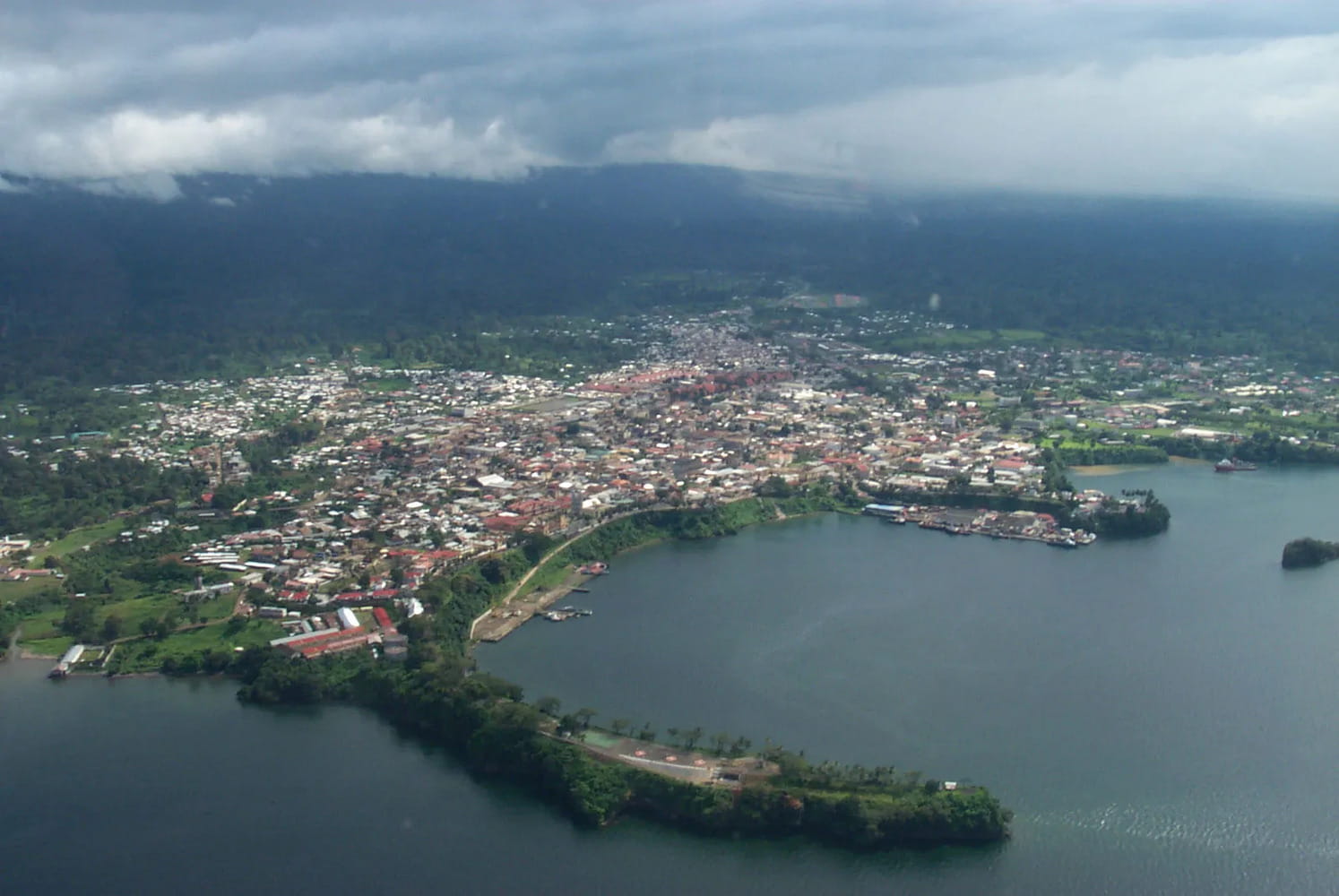
Malabo, the capital of Equatorial Guinea, amazes with its unique island location, rich colonial history, and modern development challenges that you might not know about until today. This city, located on Bioko Island, combines African traditions, Spanish heritage, and globalization influences. Amazing facts about Malabo reveal the secrets of its founding, cultural diversity, and economic transformation. Fascinating facts will help you understand why this city remains an important political and economic center in Central Africa. Interesting facts compiled below will be useful for both travelers and enthusiasts of African culture and history.
- Malabo is the capital of Equatorial Guinea and is located on the northern coast of Bioko Island in the Gulf of Guinea. It is one of the few African capital cities situated on an island rather than on the continental part of the continent. Such geographical location gives the city a unique microclimate and natural surroundings of tropical forests. The island location also affects logistics and transport connections of the capital with other regions of the country.
- The city was founded in eighteen twenty-seven by the British under the name Port Clarence as a base for combating the slave trade. Then in eighteen forty-four the territory was transferred to Spain, which renamed the settlement Santa Isabel. This colonial heritage is reflected in the architecture, language, and cultural traditions of the city. The modern name Malabo was adopted after the country gained independence in nineteen sixty-eight.
- Malabo has a tropical rainforest climate with high humidity throughout the year and two rainy seasons. The average air temperature ranges from twenty-four to thirty degrees Celsius, creating comfortable conditions for tropical vegetation. Abundant rainfall promotes the growth of lush greenery that surrounds the city and creates a unique landscape. Such a climate also influences architectural solutions and building materials used in the city.
- Spanish is the official language in Malabo, making Equatorial Guinea the only Spanish-speaking country in Africa. Additionally, French and Portuguese also have official status to promote international cooperation. Local languages such as Fang and Bubi are widely used in everyday communication among the population. Such linguistic diversity reflects the rich cultural heritage and historical influences on the region.
- The architecture of Malabo combines colonial Spanish buildings with modern structures built thanks to the country’s oil revenues. The Santa Isabel Cathedral, built in neo-Gothic style, is one of the most famous historical landmarks of the city. Many administrative buildings have preserved characteristic features of nineteenth-century Spanish colonial architecture. Modern skyscrapers and hotels contrast with old quarters, demonstrating the dynamics of the capital’s development.
- Malabo has a natural harbor that played an important role in trade and transport connections since colonial times. The port receives cargo ships and fishing boats, ensuring economic activity in the coastal zone. Development of port infrastructure promotes international trade and import of necessary goods for the country. Maritime transport remains an important component of Equatorial Guinea’s logistics system.
- The population of Malabo is approximately three hundred thousand residents, making it the largest city in the country by number of inhabitants. The city attracts migrants from the mainland and other countries in the region, creating a multicultural environment. Ethnic groups Fang, Bubi, and Spaniards form a diverse social structure of the capital. Such population promotes cultural exchange and development of local traditions and crafts.
- The oil industry has become the main driver of Malabo’s economic development since the end of the twentieth century. Revenues from oil exports have allowed investment in infrastructure, education, and healthcare of the city. However, economic growth is accompanied by challenges of inequality and the need for economic diversification. The government is working on attracting investments to other sectors such as agriculture and tourism.
- Pico Basile, the highest peak of Equatorial Guinea at three thousand meters high, is visible from Malabo in clear weather. This extinct volcano is a popular object for mountaineering and ecotourism among island visitors. Unique plant species grow on the mountain slopes and rare animals inhabit the area, attracting nature researchers. The panoramic view from the summit over Bioko Island and the Gulf of Guinea leaves unforgettable impressions.
- Malabo International Airport provides air connections between the capital and Europe, Africa, and other regions of the world. The airport receives flights from major airlines, promoting the development of business tourism and international connections. Modernization of airport infrastructure is a priority for the government to attract investors and tourists. Convenient air connections make Malabo accessible to visitors from different corners of the planet.
- Malabo hosts diplomatic missions of many countries and offices of international organizations, which emphasizes the political significance of the city. The capital hosts African Union summits and other international events, promoting regional cooperation. The presence of foreign diplomats and experts enriches the cultural life of the city and promotes knowledge exchange. Such international activity raises the profile of Malabo on the global stage.
- Malabo Market offers a wide selection of local products, crafts, and souvenirs, reflecting the richness of the region’s cultural heritage. Visitors can purchase traditional fabrics, wooden carved items, and exotic fruits grown on the island. The market atmosphere is full of life, with trading, music, and communication among local residents. Such markets are important centers of social interaction and economic activity for city residents.
- Malabo faces infrastructure development challenges despite the country’s significant oil revenues. Problems with electricity supply, water supply, and road network require constant investment and management. The government and international partners work on modernization projects to improve the quality of life for residents. Overcoming these challenges is important for the sustainable development of the capital and the entire country.
- The beaches around Malabo offer excellent opportunities for relaxation, swimming, and observing marine nature. Clean sand, clear water, and tropical vegetation create ideal conditions for relaxation and photography. Local residents and tourists often visit the coast for picnics, fishing, and water sports. Preserving the natural beauty of the beaches is important for the development of ecotourism in the region.
- The government of Equatorial Guinea plans to build a new capital, Ciudad de la Paz, on the mainland part of the country. This ambitious project aims to balance development between the island and mainland parts of the state. However, Malabo remains the political and economic center, and the process of moving the capital may take many years. Discussion about the future of Malabo arouses interest among urban planning and development experts.
- Education and healthcare in Malabo are developing thanks to investments in the construction of schools, universities, and medical facilities. International organizations cooperate with the government to improve the quality of services and accessibility for the population. The youth of the city have opportunities for education both at home and abroad, which contributes to the development of human capital. Investments in the social sphere are key to the long-term prosperity of the capital.
- The cultural life of Malabo includes festivals, musical performances, and art exhibitions that reflect the richness of local traditions. The city hosts international cultural events, promoting exchange between African and world artists. Local artists, musicians, and dancers present their art both at home and abroad. Such cultural activity enriches the lives of residents and attracts tourists to the capital.
- Environmental initiatives in Malabo are aimed at preserving tropical forests, protecting biodiversity, and reducing the impact of climate change. Local organizations and international partners work on ecosystem restoration projects and educational programs for the population. Preserving the natural environment of Bioko Island is important for the sustainable development of tourism and agriculture. Environmental awareness is becoming an important aspect of life for capital residents.
- The tourist potential of Malabo includes ecotourism, cultural tourism, and business trips, which contributes to economic diversity. Visitors can explore tropical forests, visit historical landmarks, and enjoy local cuisine. Development of tourist infrastructure, including hotels and excursion services, is a priority for the government. Such an approach helps attract investments and create jobs for the local population.
Fascinating facts about Malabo demonstrate how this unique island city combines rich history, cultural diversity, and modern development challenges. Amazing facts remind us of the importance of sustainable resource management and international cooperation for the prosperity of the capital. Interesting facts inspire deeper exploration of African capitals and awareness of their role in the global context. This collection of knowledge serves as a solid foundation for those who seek to better understand Malabo and its place in the modern world.


