
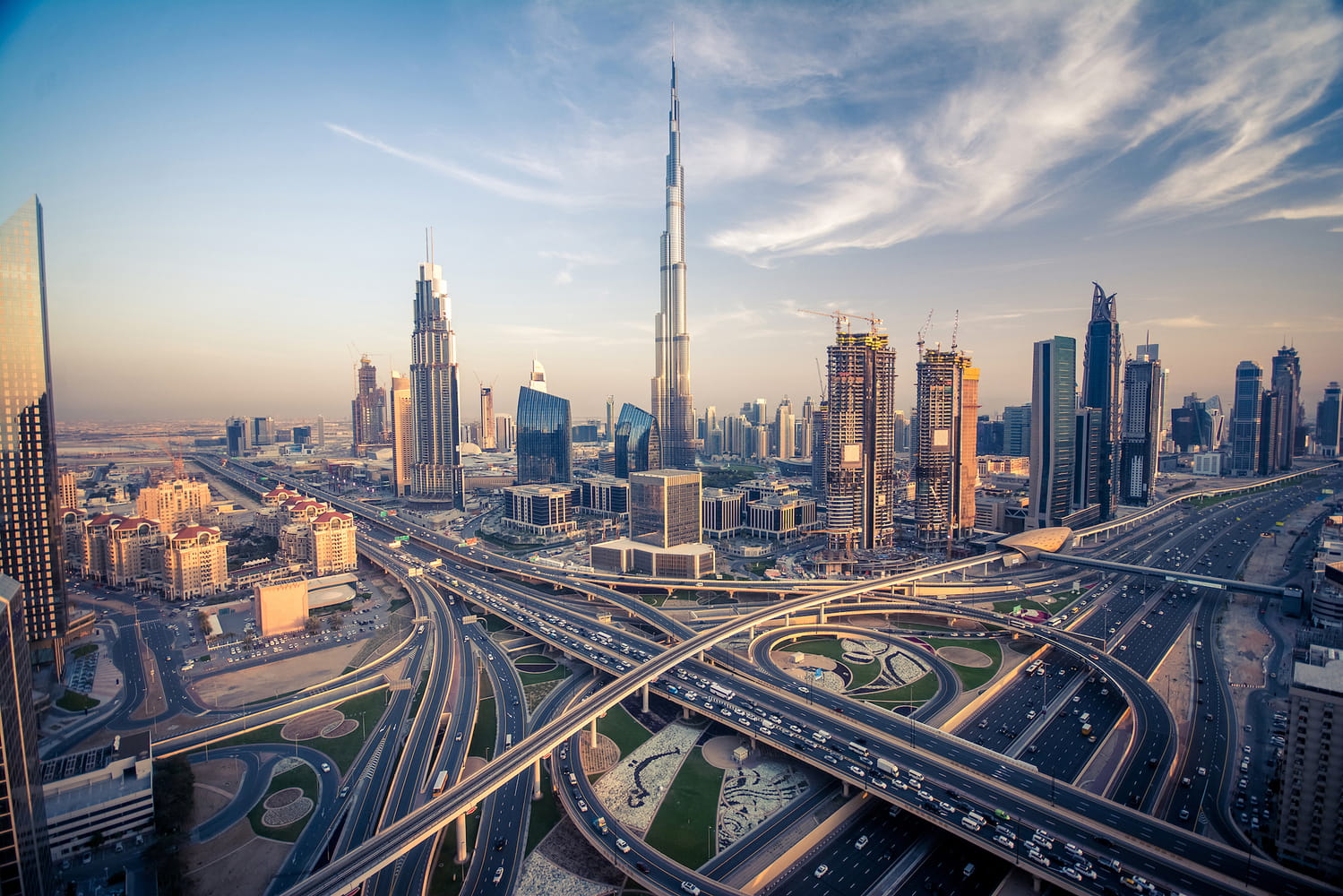
Dubai is often perceived merely as a symbol of luxury and futuristic architecture, yet behind the glittering facades lies a deep history and unique cultural features. Many people do not even suspect how quickly this desert territory transformed into a global center of trade and tourism thanks to the bold decisions of its leaders. You might not know that the city has strict laws that differ significantly from European norms, but at the same time offers an incredible level of safety for residents. Fascinating facts about this emirate will help you see it from a completely new perspective and understand the true essence of Eastern hospitality. Let us immerse ourselves in a world where traditions harmoniously intertwine with innovations to learn more about this amazing place.
- Burj Khalifa remains the tallest building in the world for many years in a row and amazes with its engineering excellence. Its height reaches 828 meters, which allows you to see the horizon at a distance of up to 95 kilometers in clear weather. The construction of the tower required the use of special concrete that could withstand the extreme temperatures of the desert. The structure was designed to withstand strong winds and seismic fluctuations in the region.
- The Dubai Aquarium and Underwater Zoo are located inside one of the largest shopping centers in the world, Dubai Mall. Thousands of marine animals live in this huge reservoir, including sharks and rays. Visitors can walk through a transparent tunnel, feeling like part of the underwater world right in the middle of the city. This is one of the largest aquariums in the world, demonstrating the diversity of marine life without the need to leave the metropolis.
- The Dubai Police fleet is known for its exclusive vehicle park, which includes supercars from leading global brands. Among the patrol cars, you can see Lamborghini Aventador, Ferrari FF, and even Bugatti Veyron. These powerful machines are used not so much for everyday patrols as for representative purposes and attracting the attention of tourists. This approach emphasizes the image of the emirate as a place where technology and luxury go hand in hand with law and order.
- The artificial Palm Jumeirah archipelago is one of the largest man-made islands in the world, shaped like a palm tree. Its construction changed the coastline of Dubai and added tens of kilometers of new beach area. This island is home to luxury villas, hotels, and apartments that are in huge demand among investors. The project has become a symbol of the ambition of the Dubai authorities and their ability to realize the boldest architectural designs.
- The Kafala system operates in the Emirates, which regulates labor relations between employers and foreign workers. Although the legislation has undergone liberalization in recent years, many aspects of migrants lives still depend on a sponsor. Foreigners make up the majority of Dubais population, creating a unique multicultural environment in the city. This demographic feature makes Dubai one of the most cosmopolitan cities on the planet in terms of cultural diversity.
- The Gold Souk in the old part of Dubai, Deira, is one of the largest in the world in terms of trade in precious metals. Here you can find jewelry weighing up to several kilograms, including a record gold ring listed in the Guinness Book of Records. Gold prices here are formed daily in accordance with global stock exchange quotations, which guarantees transparency of transactions. Tourists often visit this market not only for shopping but also to see impressive showcases with products made by masters.
- Dubai aims to become the first city in the world where all vehicles will be autonomous by 2030. The authorities are actively testing driverless taxis and buses on the city streets to improve logistics efficiency. This initiative is part of a broader strategy to reduce traffic and lower carbon dioxide emissions into the atmosphere. Technology companies from all over the world cooperate with local authorities to introduce these innovations into everyday life.
- The desert around the city offers a unique type of active recreation known as dune safari. Tourists can enjoy driving off-road vehicles over sand dunes, camel riding, and dinner under the starry sky. This event allows you to feel the true spirit of Arab culture and the traditional way of life of the Bedouins. Many tour operators organize such trips with elements of show programs, including belly dancing and fire shows.
- Strict rules regarding public behavior apply in Dubai, especially during the holy month of Ramadan. Eating food, drinking beverages, or smoking in public places during daylight hours can lead to fines or even arrest. Local authorities call on tourists to show respect for the religious feelings of Muslims and to wear modest clothing. Ignorance of these rules does not exempt from responsibility, so it is important to familiarize yourself with local customs in advance before traveling.
- The city has one of the safest health care and emergency response systems in the region. Ambulance and police respond to calls within minutes thanks to a well-developed infrastructure. Each district is equipped with modern medical facilities that provide high international level services. Insurance is mandatory for all residents, which guarantees access to quality medical care without significant financial costs.
These fascinating facts demonstrate that Dubai is a much more multifaceted city than just a resort for the wealthy. Incredible facts about its development inspire new discoveries and travels, because every corner here has its own story. You might not know about the depth of cultural traditions that are carefully preserved despite rapid technical progress. This article only partially reveals the potential of the emirate, inviting you to learn more on your own.


