
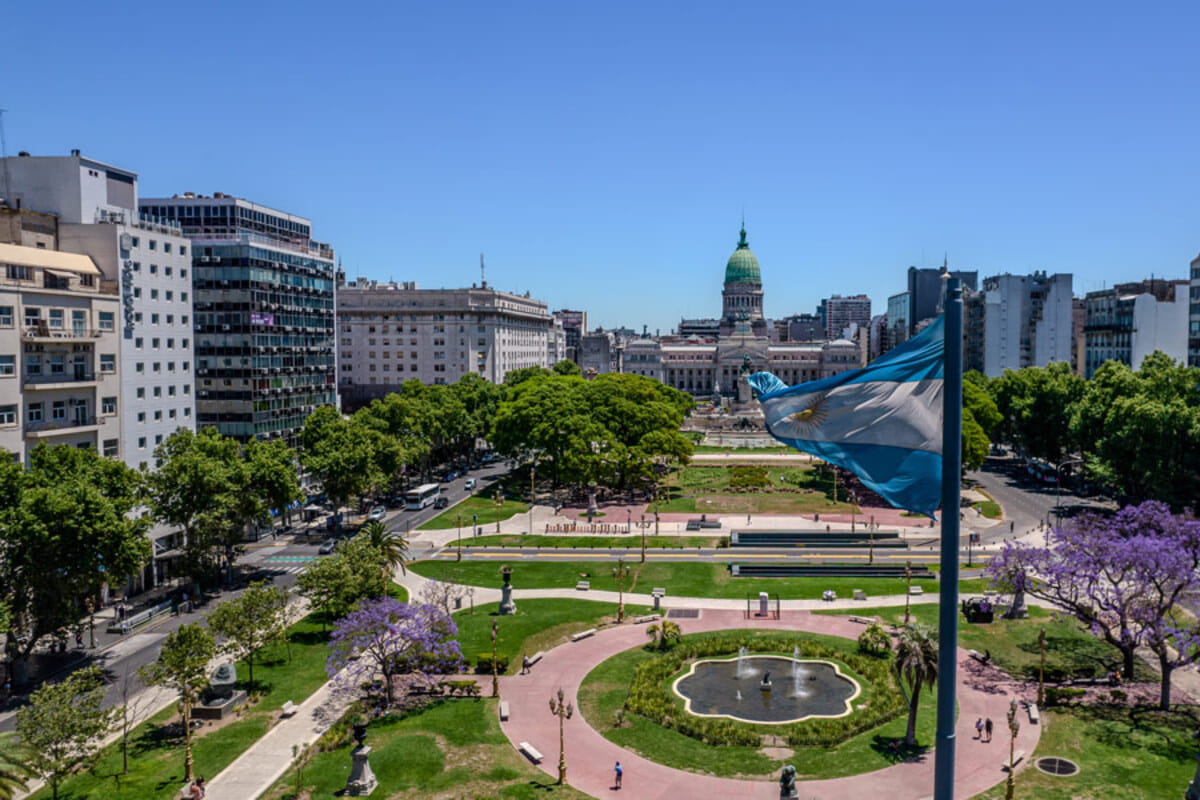
Argentina represents one of the most diverse and culturally rich countries in South America, where European traditions harmoniously combine with Latin American colour. Many people know this region only for its passionate tango and football stars, but in reality it conceals far more historical and natural treasures. You might not know that unique geographical objects are located precisely here, decisive events of world history took place, and outstanding cultural phenomena were formed in this remarkable place. In this article we will examine fascinating facts that will help better understand the uniqueness and multifaceted nature of this South American state.
- Argentina occupies the eighth place in the world by territory area and stretches from subtropical forests in the north to glacial deserts in the south. The country has a diverse landscape that includes the Andes, pampas, deserts and a long Atlantic coastline. Such geographical diversity creates unique conditions for biodiversity and the development of various economic sectors. Argentina’s climate zones allow growing a wide range of agricultural crops.
- The name of the country comes from the Latin word argentum, which means silver, which was sought here by the first European explorers. Legends about silver mountains attracted sixteenth-century conquistadors, although significant deposits of this metal were never found. Silver became a symbol of the region’s wealth and potential, which was reflected in the official name of the state. Today Argentina is known for its natural resources, including lithium and oil.
- Argentina has the highest mountain in America, Aconcagua, which reaches a height of six thousand nine hundred and sixty-one metres above sea level. This peak is located in the Andes on the border with Chile and is a popular destination for mountaineers from around the world. Aconcagua is not a volcano but has a complex geological history of formation. Climbing this mountain is considered one of the most difficult challenges for professional rock climbers.
- Argentina is considered the birthplace of tango, a passionate dance that originated in the poor quarters of Buenos Aires at the end of the nineteenth century. This art form combines music, singing and choreography, reflecting the emotions and social realities of that time. Tango has been recognised by UNESCO as an intangible cultural heritage of humanity and remains a symbol of Argentine identity. Today this dance is performed and studied in many countries around the world.
- Ushuaia, located in Tierra del Fuego, is considered the southernmost city on the planet and the gateway to Antarctica. This city has a unique geographical location and serves as an important port for scientific expeditions and tourist cruises. The climate of Ushuaia is characterised by cool summers and mild winters with frequent precipitation. Tourists come here to see unique nature and feel the atmosphere of the end of the world.
- Argentina became the first Latin American country to legalise same-sex marriages in two thousand and ten. This historic decision made the country a leader in the field of human rights and equality in the region. The law provides same-sex couples with the same rights as traditional families, including adoption of children. This step inspired other countries to undertake similar reforms and strengthened democratic values.
- The Argentine national football team is one of the most decorated in the world, having won the World Cup in nineteen hundred and seventy-eight, nineteen hundred and eighty-six and two thousand and twenty-two. Legendary players such as Diego Maradona and Lionel Messi have become symbols of national pride and sporting mastery. Football in Argentina is not just a sport but an important part of cultural identity and social life. Matches of the national team gather millions of fans across the country.
- Argentina is famous for its beef and the tradition of asado, a social feast with meat cooked over an open fire. This culinary tradition has deep roots in the culture of gauchos, the cowboys of the pampas, and is passed down from generation to generation. Asado is not only a way of preparing food but also an important ritual of communication and family unity. The quality of Argentine beef is recognised worldwide and exported to many countries.
- Argentina is one of the leading wine producers in South America, particularly known for the malbec variety from the Mendoza region. Vineyards are located at the foot of the Andes, where the unique climate and soils promote the cultivation of high-quality grapes. The wine industry plays an important role in the country’s economy and attracts thousands of tourists for tastings and excursions. Argentine wines regularly receive international awards and recognition from experts.
- Argentina has five Nobel Prize laureates in various fields, including medicine, chemistry and peace. Among outstanding Argentine scientists are Bernardo Houssay, who received the prize for hormone research, and Adolfo Pérez Esquivel, a human rights activist. These achievements highlight the high level of education and scientific potential of the country. Argentine universities and research centres continue to contribute to global science.
- Argentina claims part of the territory of Antarctica, which makes it one of the countries with the most southern possessions in the world. This territory is of great importance for scientific research of climate, biodiversity and geology of the polar region. Argentine scientific stations in Antarctica work year-round and cooperate with international partners. Issues of Antarctic territories are regulated by international treaties and agreements on the peaceful use of the region.
- The culture of gauchos, Argentine cowboys, is an important part of national identity and folklore of the country. Gauchos were famous for their horsemanship skills, independence and loyalty to pampas traditions. Their clothing, music and poetry influenced the formation of Argentine culture and art. Today festivals and competitions with the participation of gauchos attract tourists and preserve historical heritage.
- Mate, a traditional Argentine drink made from yerba leaves, is a symbol of hospitality and social interaction in the country. This slightly bitter tea is drunk from a special vessel through a metal straw, passing it around in a circle among friends or family. Drinking mate has deep cultural significance and helps strengthen social bonds. The drink is also known for its tonic properties and is popular among athletes.
- Argentina accepted a wave of European immigration at the end of the nineteenth and beginning of the twentieth centuries, which significantly influenced the demography and culture of the country. Millions of Italians, Spaniards, Germans and other Europeans arrived here in search of a better life and new opportunities. This immigration enriched Argentine cuisine, language, architecture and art with European elements. Today many Argentines have European ancestry and maintain connections with their historical homeland.
- Argentina has a unique Patagonian ecosystem, where glaciers, fjords, steppes and rich fauna are located, including penguins, whales and guanacos. National parks such as Los Glaciares and Perito Moreno protect these natural treasures and attract eco-tourists from around the world. The Perito Moreno glacier is one of the few in the world that continues to grow, creating impressive spectacles of ice calving. Preserving Patagonian nature is a priority for the country’s environmental policy.
- The Obelisk of Buenos Aires, built in nineteen hundred and thirty-six, is one of the most famous symbols of the capital and a venue for mass events. This sixty-metre structure honours four hundred years since the founding of the city and has important historical significance. The obelisk often becomes the centre of celebrations, protests and cultural events, reflecting the life of the city. Its image can be seen on souvenirs, stamps and tourist materials.
- Argentine cinema has a rich history and international recognition, with films receiving Oscar awards and other prestigious honours. Directors such as Juan José Campanella and Lucrecia Martel create works that explore social, political and human themes. Argentine films often combine artistic mastery with deep social commentary, attracting a global audience. Film festivals in Buenos Aires and other cities contribute to the development of the local industry and international exchange.
- The literacy rate in Argentina is one of the highest in Latin America, thanks to the long-standing tradition of free state education. The education system includes primary, secondary and higher educational institutions accessible to all citizens. Argentine universities, such as the University of Buenos Aires, train specialists in various fields and contribute to scientific progress. Investments in education are considered a key factor in the social and economic development of the country.
- Argentina is a world leader in the game of polo, with teams regularly winning international championships and tournaments. This sport has deep roots in gaucho culture and develops thanks to the support of private clubs and sponsors. Argentine players are known for their technical mastery, strategic thinking and teamwork. Polo attracts tourists and contributes to the development of rural tourism in the provinces of the country.
Examining these incredible facts, we realise how multifaceted and unique Argentina truly is. This country combines natural beauty, cultural heritage and innovative potential, reflecting the spirit of the South American people. Fascinating facts about Argentina inspire new generations of researchers to discover the inexhaustible potential of this unique corner of the world. You might not know that every province and every tradition of this land tells a captivating story of human civilisation and creativity.


