
Brussels, the heart of Belgium and the unofficial capital of the European Union, holds many secrets and unique cultural treasures that you might not know about until today. This city combines centuries-old history, modern political significance, and refined gastronomic culture, making it a true pearl of Europe. Amazing facts about Brussels reveal its architectural diversity, artistic heritage, and unique traditions that have been shaped over centuries. Fascinating facts will help you look at this city from a fresh perspective and understand why it attracts millions of tourists every year. Interesting facts compiled below will be useful for both travelers and enthusiasts of European culture.
- Brussels serves as the official capital of Belgium and simultaneously functions as the de facto capital of the European Union, where key European governance institutions are located. It is precisely here that decisions affecting the lives of more than four hundred million EU citizens are made. This unique status makes the city an important center for international diplomacy and political negotiations. Many world leaders regularly visit Brussels to participate in summits and strategic meetings.
- The city is officially bilingual, with French and Dutch having equal status in government administration and education. Most residents speak both languages and often know English due to the international character of the city. Such linguistic diversity reflects the cultural richness of Belgium and promotes tolerance among citizens. Street signs and official documents are always duplicated in both state languages.
- The famous Manneken Pis statue, depicting a little boy urinating into a fountain, has a rich history and a collection of more than one thousand costumes. This small bronze symbol of Brussels is regularly redressed in honor of holidays, memorable events, or visits from distinguished guests. Legends about the origin of the statue range from heroic tales to humorous folk stories. The original sculpture is kept in the city museum, while an exact copy stands on the square.
- Brussels is rightly considered the world capital of chocolate, where hundreds of master chocolatiers and renowned brands operate. Local confectioners use traditional recipes and the highest quality standards to create unique candies and figurines. Each year the city hosts a chocolate festival that attracts sweet lovers from around the globe. A walk through the historic center necessarily includes visiting at least one chocolate shop.
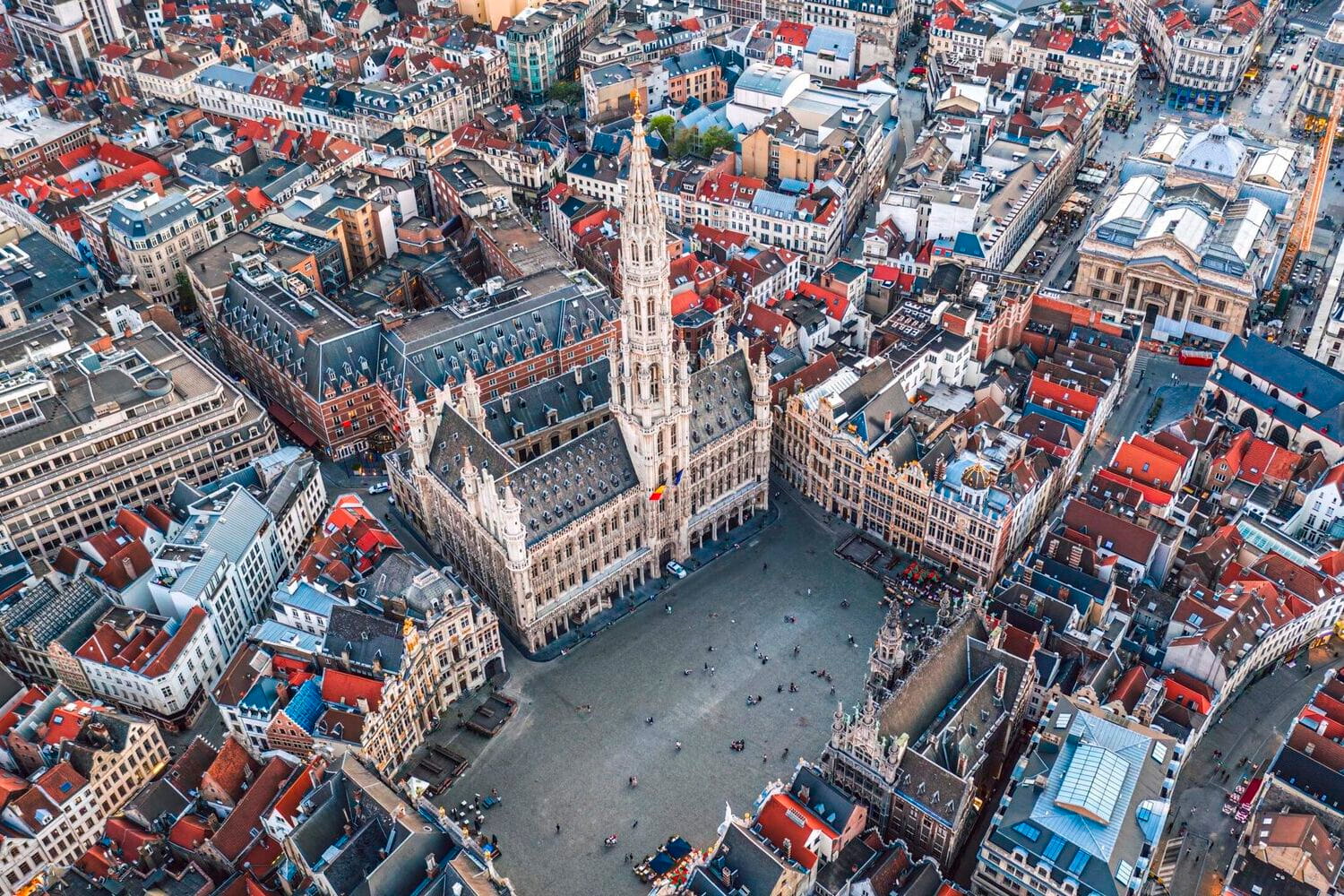
- The Grand-Place square is recognized as a UNESCO World Heritage site thanks to its impressive architecture and historical significance. Surrounded by luxurious Gothic and Baroque buildings, it serves as the main venue for city celebrations and cultural events. Each building on the square has a unique facade with golden decorations and detailed sculptures. At night, Grand-Place is illuminated, creating a magical atmosphere for visitors.
- Brussels sprouts, a popular vegetable worldwide, received its name precisely in honor of this city where it began to be cultivated. Local farmers improved the variety over centuries, making it resistant to the cold climate of Northern Europe. Today this product is an integral part of Belgian cuisine and is exported to many countries. Interestingly, many tourists taste fresh Brussels sprouts for the first time precisely during their visit to Belgium.
- The Atomium, a futuristic structure in the shape of an enlarged iron crystal lattice, was built for the 1958 World Expo. This 102-meter construction symbolizes the peaceful use of atomic energy and scientific progress. Visitors can climb inside the spheres, where exhibition halls and a panoramic viewing platform with city views are located. The Atomium remains one of the most recognizable symbols of modern Brussels.
- Brussels is the world capital of comics, where legendary characters like Tintin and the Smurfs were born. The city is decorated with dozens of large murals featuring beloved characters, turning walks into a real quest. The Comics Museum is located in an Art Nouveau building and offers a fascinating journey through the history of the genre. Each year the city hosts a comics festival that gathers fans and artists from around the world.
- NATO headquarters is located in Brussels, which emphasizes the strategic importance of the city in the field of international security. This complex serves as the venue for key alliance meetings and coordination of joint defense initiatives. The building combines modern security technologies with architectural functionality. Visiting the headquarters is possible only by prior arrangement through strict security protocols.
- Belgian beer culture, with Brussels at its center, encompasses more than eight hundred unique varieties of the beverage. Local breweries use traditional fermentation methods and natural ingredients to create incomparable flavors. Many varieties have their own specially shaped glasses, which enhances the aroma and foam quality of the drink. UNESCO has recognized Belgian brewing as an intangible cultural heritage of humanity.
- The architectural landscape of Brussels combines Gothic cathedrals, luxurious Art Nouveau buildings, and modern glass skyscrapers. Walking through the city allows one to trace the evolution of architectural styles over several centuries. The buildings of Victor Horta, considered a pioneer of the Art Nouveau style in Europe, are particularly impressive. Many historical facades are carefully restored to preserve cultural heritage.
- The Royal Palace of Brussels is one of the largest royal residences in Europe, although the monarch does not live there permanently. The palace is open to visitors during summer months, offering tours of luxurious halls and historical exhibits. The architecture of the building combines neoclassical elements with modern interior design solutions. The daily ceremony of changing the guard attracts tourists to the main gates of the palace.
- Every two years, a giant carpet made of live begonias covering more than one thousand square meters is created on Grand-Place. This temporary installation requires months of preparation and the participation of hundreds of volunteers to arrange the flowers. Visitors can walk along special pathways, admiring intricate patterns and the fragrance of fresh flowers. The event gathers thousands of photographers and gardening enthusiasts from around the world.
- Brussels waffles exist in two main variants, each with unique texture and serving method. The Brussels waffle has a rectangular shape and light batter, while the Liège waffle is denser with caramelized sugar. Local residents often eat waffles without toppings to enjoy the pure taste of the batter. Street kiosks selling waffles are an integral part of the urban landscape.
- The Cathedral of Saint Michael and Saint Gudula is the main Catholic church in Brussels and a masterpiece of Brabantine Gothic architecture. Its majestic towers and stained glass windows impress visitors with the mastery of medieval craftsmen. Important state ceremonies and royal weddings are held in the cathedral. Climbing one of the towers offers a panoramic view of the historic city center.
- Brussels is home to numerous international organizations, diplomatic missions, and non-governmental foundations. Such concentration of global institutions makes the city an important hub for international cooperation. Many districts of the city are adapted to the needs of the international community with multilingual services. This creates a unique cosmopolitan atmosphere where cultures from around the world intertwine.
- The city has an extensive system of parks and green zones that offer an oasis of calm amid urban hustle. The Cinquantenaire Park with its triumphal arch and museums is a favorite place for walks and picnics. The Brussels Botanical Garden preserves rare plant species and offers educational programs for visitors. These green spaces improve air quality and promote environmental awareness among residents.
- Brussels played a key role in the development of the Art Nouveau style thanks to architect Victor Horta and his innovative projects. His buildings are characterized by flowing lines, natural materials, and harmonious combination of form and function. Many of these structures are included in the UNESCO World Heritage list. Tours of Horta’s houses allow immersion in the aesthetics of the late nineteenth century.
- Brussels International Airport is an important transport hub connecting Europe with other continents. The modern infrastructure of the airport ensures passenger comfort and efficient cargo logistics. It houses one of the largest airline service centers in Europe. The airport is also known for its art collection and chocolate shops for travelers.
- Brussels is famous for its antique markets and flea markets, where one can find unique items of art and everyday life. The market at Place du Jeu de Balle offers a wide selection of vintage items from local collectors. Many visitors come here not only for shopping but also for the atmosphere of authentic Brussels life. Such places preserve the historical memory of the city through material artifacts of the past.
Fascinating facts about Brussels emphasize how this city combines political significance, cultural heritage, and modern comfort. Amazing facts remind us of the importance of preserving historical identity in the context of globalization and European integration. Interesting facts inspire deeper exploration of European culture and travel to cities with rich histories. This collection of knowledge serves as a solid foundation for those who seek to better understand Brussels and its role in the modern world.


