
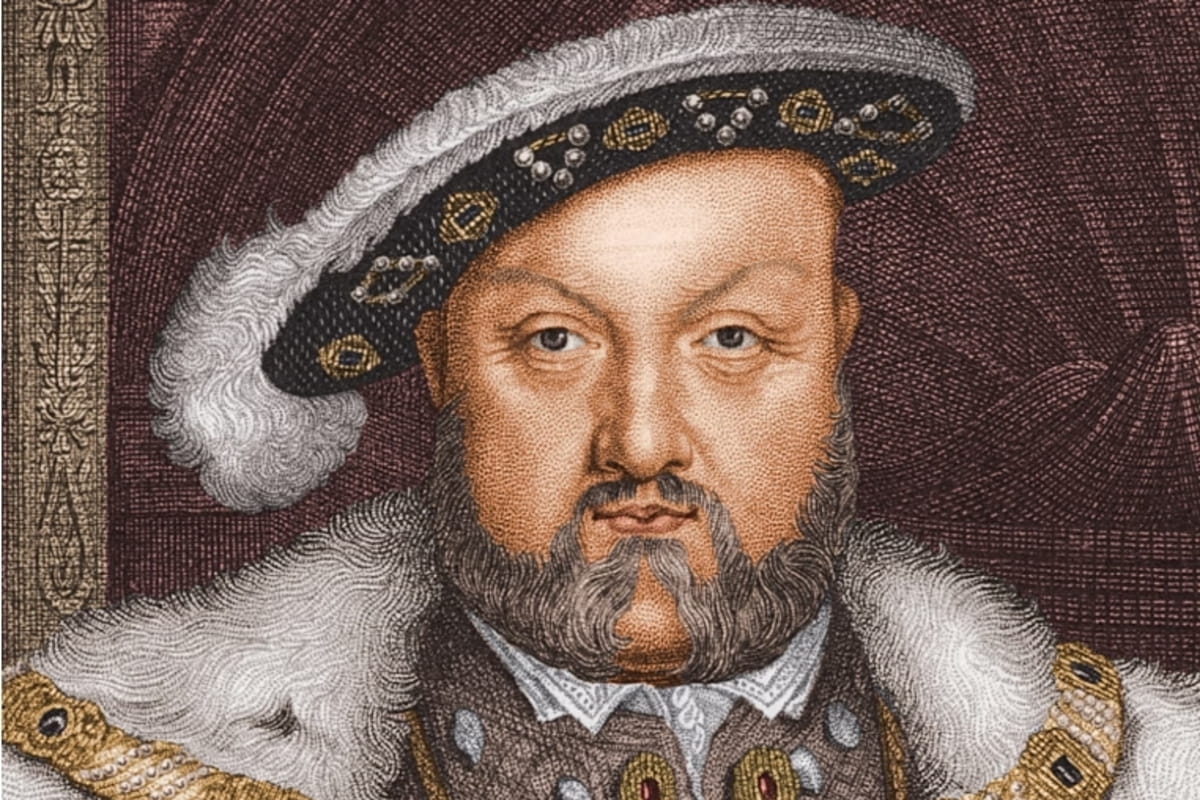
Henry VIII remains one of the most controversial and fascinating figures in English history, whose reign forever changed the religious and political landscape of Europe. You might not know that this monarch was not only known for his six marriages but also a distinguished patron of the arts, a talented musician, and an educated politician. Interesting facts about his life reveal a complex personality that combined charisma, ambition, and ruthlessness in achieving goals. Fascinating facts about political intrigues and religious reforms of that time help understand how decisions of one king influenced the course of world history. Let us examine in more detail the key moments of the biography of this legendary ruler.
- Henry Tudor was born on the twenty-eighth of June fourteen ninety-one in Greenwich and initially had no right to the throne. He was the second son in the family, so he was prepared for a church career, which contributed to receiving a brilliant humanitarian education. The unexpected death of his elder brother Arthur in 1502 made Henry the heir to the throne and changed his life path. This twist of fate led to England gaining one of the most educated and ambitious monarchs in its history.
- Young Henry was an outstanding athlete and master of knightly tournaments, which were considered an important part of the royal image at that time. He freely spoke several languages including Latin, French, and Spanish, and even wrote a musical piece known as “Pastime with Good Company”. His physical strength and intellectual abilities amazed contemporaries and created the image of an ideal Renaissance ruler. However, over time serious injuries received during tournaments led to chronic health problems and significant changes in appearance.
- Marriage to Catherine of Aragon, the widow of his elder brother, was a political step to strengthen the alliance with Spain but later became a source of serious problems. The absence of a living son-heir after many years of marriage forced Henry to seek ways to annul this union, which contradicted canon law. The Pope refused to grant permission for divorce, which provoked a deep conflict between the English crown and the Vatican. This personal drama of the monarch became a catalyst for large-scale religious changes throughout the country.
- The Act of Supremacy of fifteen thirty-four officially proclaimed the king the only supreme head of the Church of England, separating it from the jurisdiction of Rome. This legislative step allowed Henry to independently resolve matters of doctrine, appoint bishops, and control church revenues. The consequence of this was the beginning of the English Reformation, which forever changed the religious map of Europe and laid the foundation for Anglicanism. Many Catholic figures who refused to recognize the new status of the king were subjected to persecution and execution.
- The story of Henry’s six wives became legendary and is often remembered thanks to the famous rhyme “divorced, beheaded, died, divorced, beheaded, survived”. Each of these women, from Catherine of Aragon to Catherine Parr, played a unique role in political intrigues and dynastic questions of that time. The fates of Anne Boleyn and Catherine Howard, who were executed on charges of treason, particularly vividly demonstrate the cruelty of royal power. The king’s marriages were closely intertwined with issues of throne succession and international diplomatic alliances.
- The dissolution of monasteries in the 1530s became one of the largest economic reforms in English history, which radically changed the structure of land ownership. The royal commission confiscated the property of monastic orders, and the funds received were used to finance military campaigns and reward loyal supporters. This process led to the destruction of many historical architectural monuments and the loss of valuable manuscripts and works of art. At the same time, it contributed to strengthening the positions of the new nobility, which gained access to previously church lands.
- Henry’s physical condition in the last years of life deteriorated sharply due to chronic leg ulcers, obesity, and possible consequences of head injuries. His weight increased significantly, which required the use of special mechanisms for moving the monarch around the palace and participation in official events. Modern researchers suggest that he may have suffered from Cushing’s syndrome or diabetes mellitus, which affected his emotional stability and decision-making. This transformation from an athletic youth to a sick tyrant remains the subject of numerous medical and historical discussions.
- The execution of Thomas More, an outstanding humanist and author of the book “Utopia”, became a symbol of the conflict between personal conscience and the absolute power of the monarch. More refused to swear allegiance to the king as head of the church, citing his religious beliefs and canon law. His execution in 1535 caused outrage in intellectual circles of Europe and cast a shadow on Henry’s reputation as a patron of sciences. This event emphasized that even the most educated and respected people were not protected from royal wrath.
- Henry paid significant attention to the development of the naval fleet, laying the foundations for England’s might on the seas in subsequent centuries. During his reign, many powerful warships were built, including the famous “Mary Rose”, which sank during the launching ceremony. The king also founded Trinity House, an organization engaged in ensuring maritime safety and training pilots. These investments in maritime infrastructure helped England become a leading naval power.
- Hampton Court Palace, the luxurious residence of Henry, demonstrates his passion for architecture and desire to impress contemporaries with grandeur and wealth. The king significantly expanded this complex, adding large halls for banquets, tennis courts, and exquisite gardens that impress to this day. It was here that magnificent court ceremonies, political meetings, and romantic intrigues took place that shaped Tudor history. This monument remains one of the best examples of Renaissance architecture in England.
- The Field of the Cloth of Gold meeting in 1520 became one of the most expensive diplomatic events of the era, organized to strengthen the alliance with France. Henry and the French king Francis the First competed in luxury, organizing knightly tournaments, banquets, and musical performances that lasted several weeks. Preliminary agreements quickly fell apart, but this event left a deep mark in the cultural memory of both nations. It demonstrates how art and entertainment were used as tools of political influence and prestige.
- Henry’s economic policy included debasement of coinage, which led to inflation and temporary deterioration of public welfare. Reducing the content of precious metals in coins allowed the crown to quickly finance military expenses but undermined trust in English currency abroad. This step caused social tension and protests that had to be suppressed by force. The experience of this period became an important lesson for subsequent rulers in matters of monetary and credit policy.
- The last years of Henry’s reign were marked by religious instability when he balanced between conservative and reformist forces in the church. He approved both Protestant doctrines and Catholic rites, trying to find a compromise that would satisfy all parties. This ambiguous position created confusion among clergy and laypeople but allowed the king to maintain control over religious processes. Such a strategy prepared the ground for further religious conflicts during the reign of his children.
- Henry died on the twenty-eighth of January fifteen forty-seven in Westminster Palace at the age of fifty-five. He was buried in the Chapel of Saint George in Windsor Castle next to his beloved wife Jane Seymour, who bore him a son-heir. His death marked the end of an era and the beginning of the reign of the minor Edward the Sixth under the guardianship of a regency council. Henry’s legacy continues to cause disputes among historians and admiration among the general public to this day.
Incredible facts about the life of this monarch testify to how complex and multifaceted were the political and personal challenges of his era. You might not know that many decisions of Henry, made for personal motives, had long-term consequences for the development of English statehood and culture. These fascinating facts only partially reveal the dramatic history of a reign that forever changed the course of European history. Studying the biography of Henry VIII helps to understand more deeply the relationship between the personality of a leader and historical processes.


