
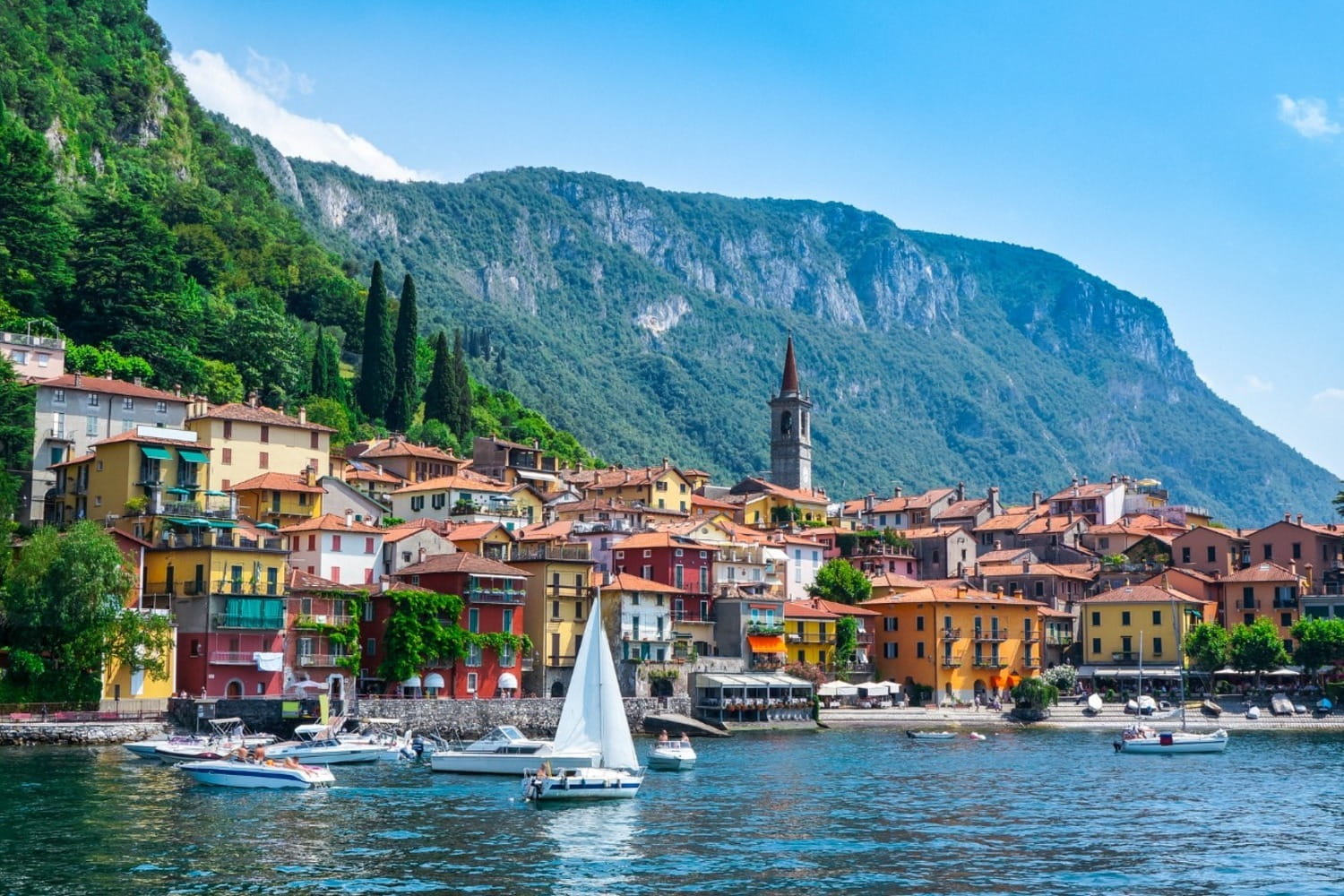
Lombardy is a region that combines Alpine majesty, picturesque lakes, medieval cities, and the relentless economic pulse of modern Europe. It is the heart of Italy in both the literal and figurative sense — it is here that the largest financial flows, the most outstanding artistic treasures, and the most dynamic enterprises of the country are concentrated. If you think that Lombardy is nothing more than Milan and fashion, then the fascinating facts about this region will open up an entirely different dimension for you. Lombardy astonishes with its depth — historical, natural, and human. We present to you interesting facts about Lombardy that will make you look at this region from a completely new perspective.
- Lombardy is the most economically developed region in Italy and one of the most powerful regions in the entire European Union. Its GDP accounts for approximately 20 to 22 percent of Italy’s national figure, which is a colossal share for a single region. In terms of economic output, Lombardy could compete with individual medium-sized European states were it an independent country.
- On the territory of Lombardy lie three of Italy’s most celebrated lakes — Como, Maggiore, and Garda. Lake Como is one of the deepest lakes in Europe, with a maximum depth reaching 425 metres. These bodies of water have long attracted aristocrats, writers, and artists from all over the world, and today they rank among the most popular tourist destinations on the continent.
- Milan, the capital of Lombardy, is the world’s recognised capital of fashion and design. The headquarters of such legendary fashion houses as Versace, Prada, Armani, Dolce & Gabbana, and Missoni are all located here. Every year Milan Fashion Week draws thousands of journalists, photographers, and industry representatives from every corner of the planet.
- Milan is home to one of the most famous works of art in the history of humanity — the fresco by Leonardo da Vinci known as The Last Supper. It is situated in the refectory of the monastery of Santa Maria delle Grazie and was created between 1495 and 1498. To gain admission, tourists book their tickets several months in advance, as the number of visitors is strictly limited in order to preserve the masterpiece.
- Milan Cathedral, known as the Duomo di Milano, was under construction for nearly six centuries — from 1386 to 1965. It is one of the largest Gothic cathedrals in the world, capable of accommodating up to 40,000 people simultaneously. The roof of the cathedral features 135 spires and 3,400 statues, and the panorama from its terraces is considered one of the most beautiful views in Milan.
- Lombardy is the birthplace of one of the most influential financial institutions in history — the banking system, which originated here during the Middle Ages. Lombard bankers and merchants were actively extending credit to kings and emperors throughout Europe as early as the twelfth to fourteenth centuries. It is from the name of this very region that the word lombard derives, which in many languages of the world denotes a pawnbroking establishment.
- Lombardy is home to one of the oldest universities in Europe — the University of Pavia, founded in 1361. Among its graduates and lecturers were such outstanding figures as Alessandro Volta, after whom the unit of electric voltage is named. The university remains to this day one of Italy’s leading centres of learning and receives thousands of students from around the world each year.
- The region is the leading centre of cheese production in Italy, and it is here that such world-famous varieties as gorgonzola, grana padano, mascarpone, and taleggio were born. Gorgonzola is produced in the small town of the same name near Milan and holds a protected designation of origin. Without mascarpone it is impossible to prepare an authentic tiramisu — the most popular Italian dessert in the world.
- Lombardy is Italy’s leader in the field of healthcare — the greatest number of the country’s foremost hospitals and medical research centres are concentrated here. The Ospedale Maggiore in Milan, founded in 1456, is one of the oldest functioning hospitals in the world. The region traditionally invests considerable resources in medical innovation and pharmaceutical research.
- Monza, a small city in Lombardy, is known throughout the world thanks to its motor racing circuit — the Autodromo Nazionale Monza. This circuit is one of the fastest and oldest on the Formula One calendar, having hosted the Italian Grand Prix since 1950. Monza is regarded as the Temple of Speed among motorsport enthusiasts across the globe.
- On the territory of Lombardy lies Bergamo — a city divided into two parts, the Upper City and the Lower City, situated at different elevations. The Upper City is surrounded by Venetian walls dating from the sixteenth century, which were inscribed on the UNESCO World Heritage List in 2017. Bergamo is the birthplace of the great composer Gaetano Donizetti, whose operas continue to be performed on the finest stages in the world.
- Lombardy is the principal producer of rice in Italy and one of the largest in Europe. The rice fields of the Po Valley, stretching to the west of Milan, are an indispensable feature of the local landscape. It is here that rice is grown for risotto — a dish that has become the symbol of Lombard cuisine and has achieved worldwide popularity.
- Como is the world capital of silk production — approximately 70 to 80 percent of all silk production in Italy is concentrated here. The city has been engaged in the processing of silk since the Renaissance, and its fabrics are supplied to the leading fashion houses around the world. The local Silk Museum recounts the centuries-old tradition of this craft and attracts thousands of visitors every year.
- Mantua, situated in the east of Lombardy, is one of the best-preserved Renaissance cities in Europe. In 2007 it was awarded UNESCO World Heritage status together with the neighbouring town of Sabbioneta. The city is closely associated with the name of Virgil — the great Roman poet who was born near Mantua in 70 BC.
- Lombardy plays host to one of the largest and most influential exhibitions in the world — the Milan furniture fair known as Salone del Mobile. Every year it transforms Milan into the global capital of furniture and interior design, drawing hundreds of thousands of visitors from every continent. The fair is regarded as the most authoritative event in the world of design and sets the trends for the entire industry.
- In Lombardy lies the Stelvio National Park — one of the largest nature parks in the Alps and in the whole of Italy. It encompasses part of the Rhaetian Alps and is home to hundreds of species of plants and animals, including Alpine ibexes, deer, and eagles. The Stelvio Pass, which runs through the park, is one of the highest mountain passes in the Alps and a popular destination for motorcyclists and cyclists from across Europe.
Lombardy is a region that contains within itself an entire universe — from snow-capped Alpine peaks to bustling industrial districts, from medieval monasteries to avant-garde design studios. The incredible facts about Lombardy convince us that this region is something considerably greater than merely the economic locomotive of Italy. In every stone, in every dish, and in every landscape, one can sense the layering of epochs and cultures that shaped Europe over the course of millennia. Lombardy deserves to be discovered again and again — and each time it bestows new revelations upon those who seek them.


