
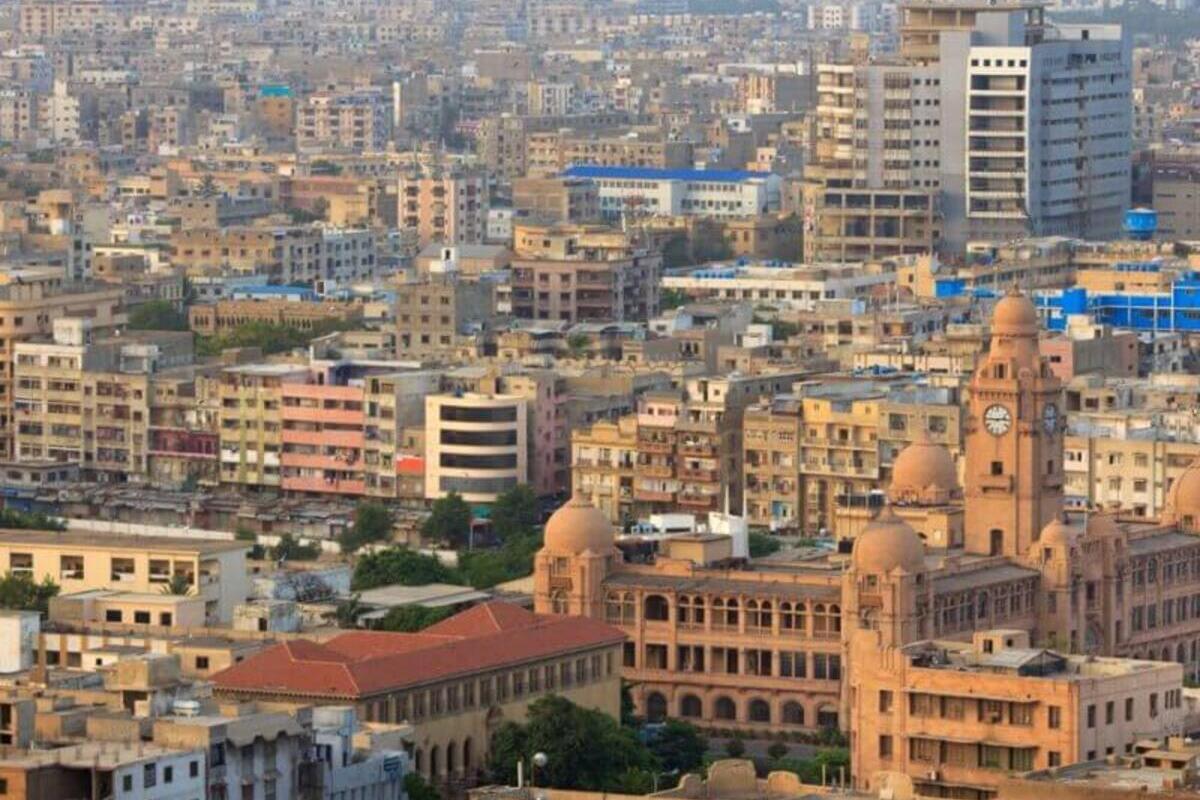
Karachi is a city that breathes history, contradictions, and the incredible energy of millions of people. It stretches along the shore of the Arabian Sea and serves as the true heart of Pakistan — its economic, cultural, and port centre. If you think you know everything about the great cities of Asia, the fascinating facts about Karachi will certainly make you reconsider your assumptions. This city does not fit into any mould — it lives by its own rules, surprises, and astonishes. We present to you interesting facts about Karachi that will reveal this city from an unexpected angle.
- Karachi is the largest city in Pakistan and one of the largest cities in the world by population. According to various estimates, between 15 and 20 million people live here, and some demographers cite a figure of even 25 million when the surrounding suburbs are taken into account. Karachi thus ranks among the five most populous cities on the planet, surpassing many well-known metropolises.
- Before the partition of British India in 1947, Karachi served as the capital of the newly established Pakistan. However, as early as 1958, the capital was relocated first to Rawalpindi and later to the purpose-built city of Islamabad. Karachi nevertheless retained its status as the economic capital of the country, yielding nothing in terms of significance to the governmental centres.
- The Port of Karachi is the largest and busiest port in Pakistan, through which more than 60% of the country’s entire foreign trade cargo passes. It was established during the British era and is continuously being modernised. Together with the nearby Port Qasim, Karachi forms the principal maritime gateway of the state.
- The city generates approximately 20% of Pakistan’s GDP and accounts for the lion’s share of tax revenues flowing into the state treasury. The headquarters of most major Pakistani banks, insurance companies, and industrial corporations are concentrated here. Karachi is rightly regarded as the financial engine of the entire country.
- Karachi is situated in a semi-arid climate zone; however, the city stands directly on the coast of the Arabian Sea, which significantly moderates the heat. Average summer temperatures range between 30 and 34 degrees Celsius, and the sea breeze makes the heat considerably more bearable. Winters here are mild — temperatures rarely drop below 10 degrees Celsius, and snow is an utterly unheard-of phenomenon.
- The population of Karachi is distinguished by exceptional ethnic and linguistic diversity. The city is home to Pashtuns, Sindhis, Muhajirs (migrants from India after 1947), Balochs, Punjabis, and representatives of dozens of other peoples. This vibrant diversity transforms Karachi into a unique cultural melting pot where hundreds of dialects and traditions coexist side by side.
- The University of Karachi, founded in 1951, is one of the largest universities in Asia by student enrolment. Tens of thousands of young people from every corner of Pakistan study on its campus. The university is renowned for its academic schools in the fields of pharmacy, chemistry, and social sciences.
- Karachi is the birthplace of Pakistani cinema, which locals unofficially refer to as Lollywood — by analogy with Hollywood and Bollywood. The city’s studios experienced a golden age in the 1960s and 1970s, producing hundreds of films per year. Today the film industry is experiencing a revival after a prolonged period of decline, attracting young directors and screenwriters.
- Karachi is home to the mausoleum of Muhammad Ali Jinnah — the founder of Pakistan — known as Mazar-e-Quaid. This structure, built from white marble, is one of the most recognisable architectural symbols of the country. Every year the mausoleum is visited by millions of Pakistanis and foreign tourists paying their respects to the memory of the father of the nation.
- Zamzama Street in the Defence district is known as one of the most luxurious shopping streets in Pakistan. Designer boutiques, international cuisine restaurants, and contemporary art galleries are all concentrated here. This district presents a striking contrast to the crowded working-class quarters of the city, vividly illustrating the social stratification of Karachi.
- Karachi is home to one of the largest markets in South Asia — the Lee Market, also known as Liaquat Market. Here one can find literally everything — from electronics and fabrics to spices and antiques. The market has existed since colonial times and to this day remains a pulsating centre of the city’s commercial life.
- The city suffers from serious water supply problems despite its coastal location. Karachi draws its fresh water primarily from the Indus River and the Hub Reservoir; however, the rapid growth of the population chronically outpaces the capacity of the infrastructure. The shortage of drinking water remains one of the most acute social problems facing this megacity.
- Clifton Beach is the most celebrated recreational destination for the residents of Karachi and stretches along the Arabian Sea within the city limits. In the evenings, thousands of people gather here to enjoy the breeze, sample street food, and admire the sunset. Nearby stands a small amusement park and the famous rock known as the Sleeping Mermaid, which serves as the unofficial symbol of the beach.
- Karachi is the hub of Pakistani music — it is precisely here that numerous rock bands were born and rose to fame, conquering the whole of Pakistan in the 2000s. Groups such as Junoon, Strings, and EP began their journeys in the very clubs and studios of Karachi. The city is still regarded as the most progressive music scene in the country.
- Karachi records one of the highest rates in the world of motorcycle use as the primary means of transportation on a daily basis. A motorcycle here is not merely a vehicle but an entire subculture and a means of survival for millions of people. At the same time, the city is actively developing its BRT bus route network in an effort to bring order to the transport chaos.
Karachi is a city of incredible contrasts, where ancient culture meets dynamic modernity and poverty stands side by side with opulence. You might not have known how deeply this city is rooted in the economic and cultural life of the entire region. The astonishing facts about Karachi demonstrate that this megacity is a far more complex and multifaceted phenomenon than is commonly assumed. Karachi continues to grow, to grapple with its challenges, and to create simultaneously — and it is precisely in this that its inexhaustible vitality lies.


