
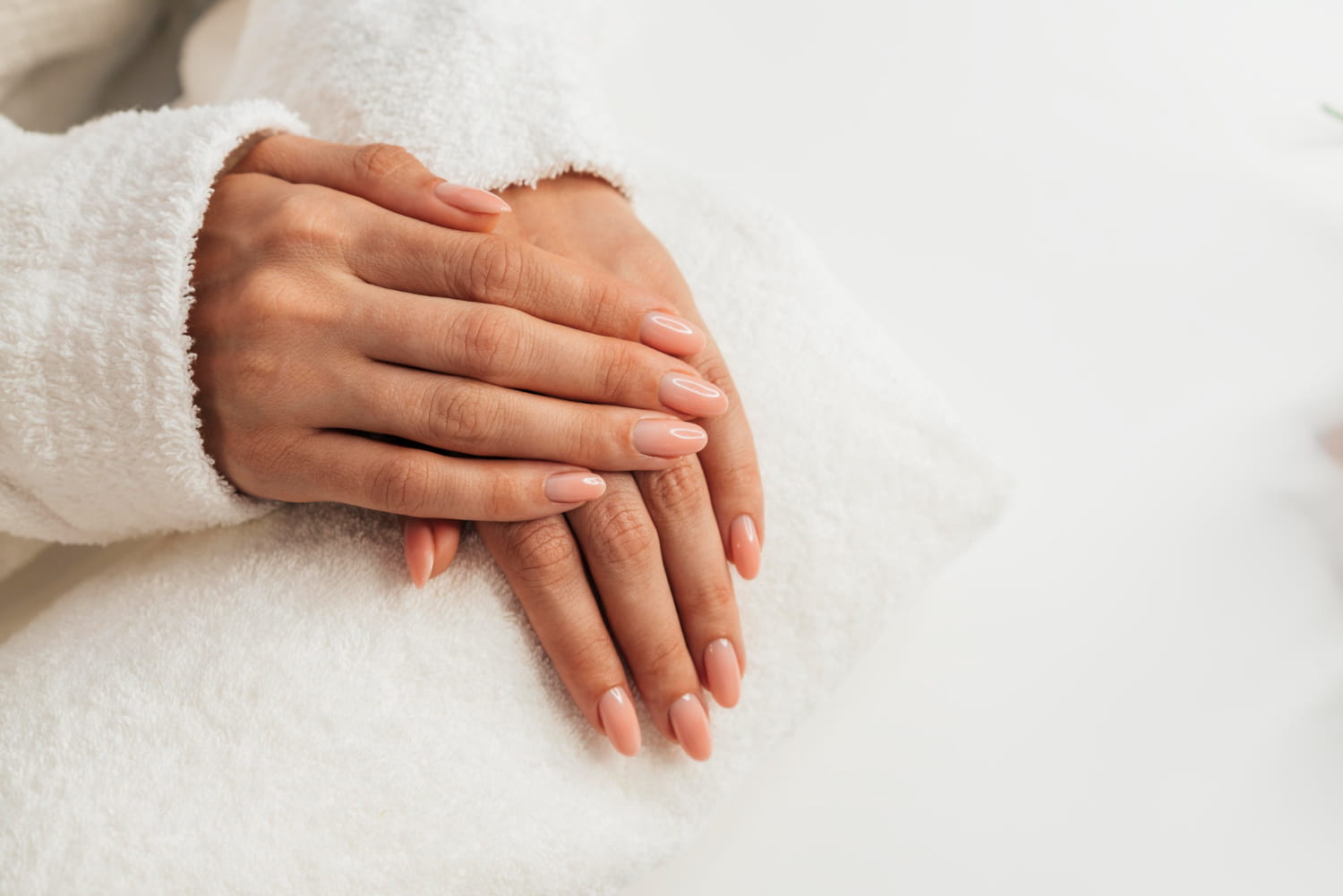
The human body hides many secrets that we often ignore in our daily lives and fail to notice important details. Few people think about the complex structure and functions of such a small part of our body as nails. However there are many interesting facts that reveal the true nature of this biological feature and its significance. You might not know how much information they can tell about our health status and internal processes. These incredible facts will forever change your attitude towards ordinary manicures and daily self-care routines.
- The nail plate consists mainly of keratin which is also responsible for the strength of hair and skin throughout the body. This protein is produced by special cells and makes the surface hard and protected from external mechanical influences. Without this natural armor our fingertips would be too vulnerable to constant injuries and serious damage.
- The growth rate of nails on hands significantly exceeds the growth rate on feet by several times depending on individual characteristics. Complete renewal of the plate on finger nails takes about six months while on feet this process lasts for years. Such a difference is explained by different blood circulation and the frequency of mechanical impact on upper and lower limbs.
- On the dominant hand plates grow somewhat faster than on the one you use less frequently in everyday life. This is related to improved blood circulation in the more active limb due to constant movement of muscles and joints. Therefore right-handed people may notice a significant difference in length between left and right hands over time.
- In elderly people the regeneration process slows down and this directly affects the length and general condition of the plates. With age they become more brittle and prone to delamination due to changes in the hormonal background of the body. This is a natural aging process of the organism that cannot always be corrected even with special vitamins.
- Pregnant women often notice accelerated growth and improvement in the appearance of their nails during childbearing. Hormonal changes in the body promote more active tissue nutrition and significant acceleration of metabolism. After childbirth the condition usually returns to the previous level within a few months without medical intervention.
- White spots on the surface often occur due to microtraumas of the matrix rather than calcium deficiency as many believe. Damage occurs in the growth zone and manifests only when the plate grows a certain distance from the base. This is a safe condition that disappears on its own after the damaged area fully grows out and is trimmed.
- The crescent at the base is called the lunula and represents the visible part of the matrix where new cells form for growth. The absence of a visible crescent does not always indicate health problems as in many people it is simply hidden under the skin. The size of this zone can vary depending on individual characteristics of finger structure and genetics.
- The nail plate itself has no nerve endings so we do not feel pain when we file or cut it. Pain sensations arise only when impact occurs on the nail bed or the sensitive skin around it. It is precisely this lack of sensitivity that allows us to painlessly trim the growing part regularly without discomfort.
- Animals have claws that differ evolutionarily from human nails in structure and primary purpose in nature. Claws are necessary for predators for hunting and protection while our plates serve to protect fingertips from injuries. Humans lost the need for sharp claws in the process of developing fine motor skills of hands and intelligence.
- In Ancient Egypt the color of nails indicated a persons social status in society and their belonging to a caste. Pharaohs and noble individuals painted them in bright red shades using natural pigments of plant origin. Ordinary people did not have the right to such luxurious decoration and wore their natural color without any changes.
- A change in plate color can signal serious diseases of internal organs or the circulatory system in the body. A bluish tint often indicates a lack of oxygen in the blood while yellow may be a sign of fungal infection or liver problems. Doctors sometimes use this external appearance as a primary indicator for diagnosis and further treatment.
- Nails have the ability to absorb water which makes them softer after prolonged contact with liquid in everyday life. This is precisely why manicure masters do not recommend performing the procedure immediately after a shower or washing dishes by hand. A moist structure is more prone to deformation and damage by tools during processing.
- The plate grows fastest on the middle finger of the hand while on the thumb the process proceeds more slowly than on others. Such a pattern is observed in most adult people regardless of gender or body type. Finger length directly correlates with the intensity of blood circulation in this zone and cell activity.
- Complete regrowth of a nail after injury or removal can take from four to six months in an adult human. In some cases the process extends to a year if the matrix or nail bed was damaged during the injury. Patience is a key factor in restoring the original appearance of the fingertip and its functionality.
- The habit of biting nails has the scientific name onychophagia and is often associated with stress or anxiety in childhood. This action can lead to plate deformation and infections around fingers due to dirty hands and saliva. Psychologists consider this a way of unconsciously relieving tension in difficult life situations and emotional experiences.
- The first nail polish was created in China before our era using gelatin egg white and dyes. Later the recipe changed and natural dyes from flowers and plants were added to it for durability. The modern form of the product appeared only in the twentieth century with the development of the chemical industry and new technologies.
- The strength of a nail is compared to the strength of copper although it remains flexible enough for everyday tasks performed by hands. Such a combination of hardness and elasticity allows it to function as a tool for small actions in everyday life. You can pry up a label or untangle a knot with it without risking breaking your own finger or damaging your skin.
- On feet plates are more often subjected to fungal infections due to the closed environment of footwear and constant moisture inside. Prevention includes regular sock changes and using quality footwear made from natural materials for ventilation. Ignoring hygiene can lead to long-term treatment and loss of aesthetic appearance for an extended period.
- Some people are born with a congenital absence of nails which is a rare genetic deviation in medical practice. This condition does not always affect general health but complicates performing small manipulations with hands in everyday life. Medicine offers various methods of fingertip protection for such patients and improving quality of life.
- Male nails usually grow faster than female ones except during the pregnancy period in women. This is related to the difference in hormonal background and testosterone levels in the bodies of men and women. After menopause this difference may smooth out or disappear completely due to changes in hormone production.
We hope these fascinating facts helped you look at familiar things and the human body from a new perspective. Our body is a complex mechanism where every detail plays an important role for survival and comfort. You might not know how many secrets hide under this hard shell every single day. Next time you do a manicure remember these interesting facts about nails and their uniqueness.


