
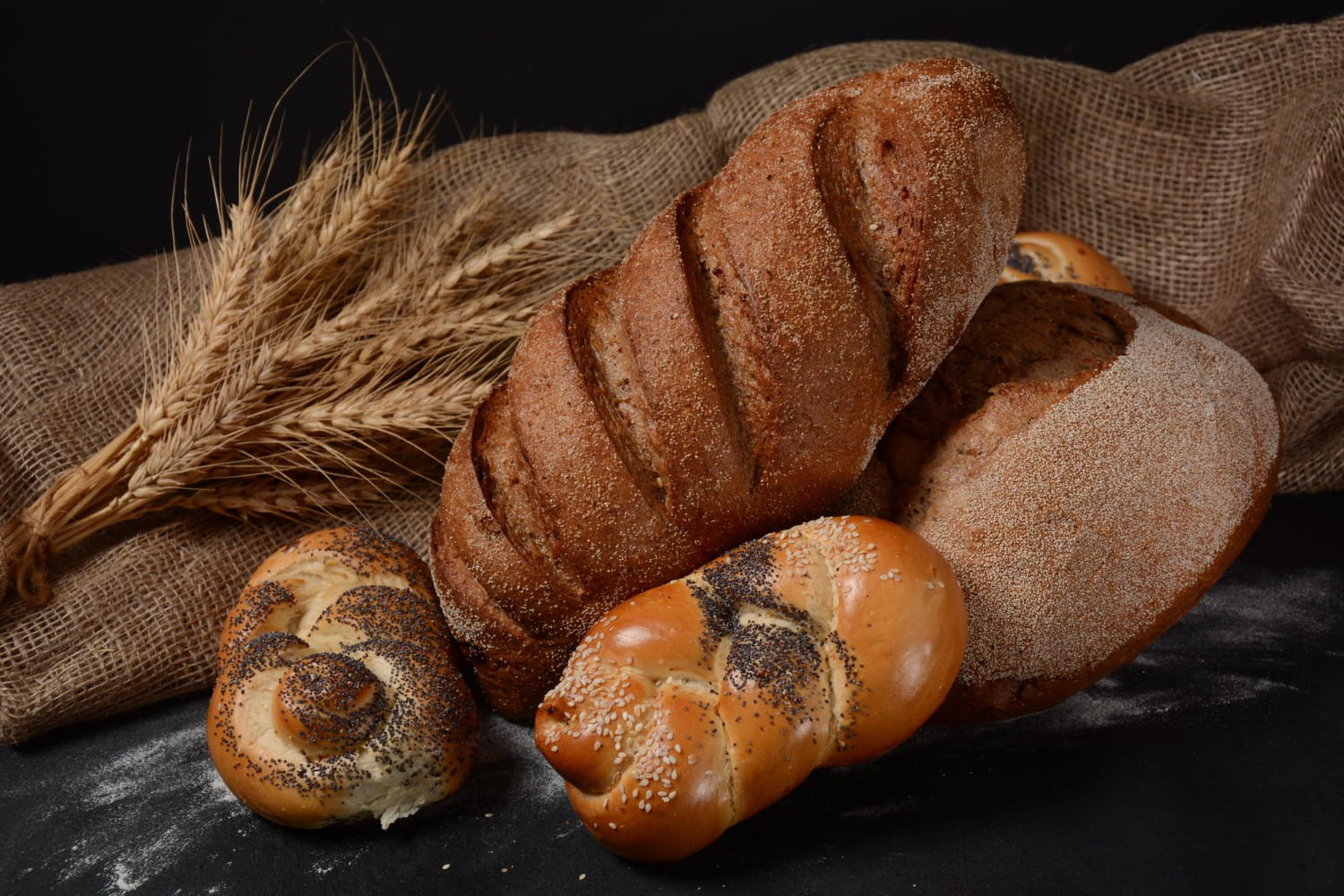
Imagine a product that has accompanied humanity for many millennia and remains a symbol of life, prosperity and hospitality in most cultures around the world. Bread occupies a special place in the history of civilization, as its appearance allowed people to transition to a settled lifestyle and create the first settlements. Many perceive this product as ordinary everyday food, however behind a simple crust lies amazing science and rich cultural heritage. We have gathered for you the most interesting facts and incredible discoveries that will reveal the true essence of this universal product. You might not know how complex the process of creating perfect bread is and what secrets lie in every piece of it.
- The oldest archaeological finds of bread date back approximately fourteen thousand years ago in the territory of modern Jordan. These ancient flatbreads were made from wild grain and water without using yeast, which made them hard and unleavened. The discovery of this fact changed scientists’ understanding of the development of agriculture and the eating habits of prehistoric people. It turned out that baking bread preceded the systematic cultivation of cereal crops.
- Ancient Egyptians accidentally discovered the fermentation process around three thousand years before our era, which led to the appearance of fluffy yeast bread. According to legend, dough was left in the air and wild yeast from the atmosphere got into it, starting the fermentation process. Egyptians so perfected the art of baking that they could create more than forty different types of bread. They even used bread as currency for calculations and paying wages to workers.
- Yeast used in modern baking are single-celled fungi that convert sugar into carbon dioxide and alcohol. It is precisely the bubbles of carbon dioxide that raise the dough, creating that light and airy structure that we love so much. This biological process requires a certain temperature and time, which makes baking bread a true art. Different strains of yeast can give the finished product unique aromatic notes and flavor shades.
- Sourdough for bread is a unique ecosystem where wild yeast and lactic acid bacteria live in symbiosis. Some family sourdoughs have been passed down from generation to generation for hundreds of years and are considered true relics. Bacteria in sourdough produce lactic acid, which gives bread its characteristic sour taste and improves its shelf life. Such bread is often better absorbed by the body and has a lower glycemic index compared to yeast counterparts.
- The crust of bread forms thanks to the Maillard reaction, when amino acids and sugars interact under the influence of high temperature. This chemical process not only colors the surface golden but also creates hundreds of new aromatic compounds. That is why freshly baked bread has such an unparalleled aroma capable of awakening appetite even in a full person. Different baking temperatures allow controlling the thickness and color of the crust depending on the desired result.
- Stale bread actually does not dry out but undergoes a starch retrogradation process when water molecules change their structure. This process accelerates at room temperature, so it is best to store bread in special bread boxes or cloth bags. Interestingly, freezing bread significantly slows down staling, and after thawing it almost does not lose its properties. Old bread can be easily brought back to life if you slightly moisten it and warm it in the oven.
- Gluten or клейковина is a protein complex that gives dough elasticity and the ability to retain gases during fermentation. It is thanks to gluten that bread does not fall apart into pieces but has a springy crumb pleasant to the touch. People with gluten intolerance have to consume bread from alternative grains such as rice, corn or buckwheat. Production of gluten-free bread requires special technologies and adding binding components to imitate texture.
- In many cultures around the world, bread is considered a sacred product that is treated with great respect and reverence. Throwing bread in the trash is perceived as disrespect for the work of farmers and the gifts of nature, which was considered a sin in ancient times. The tradition of greeting dear guests with bread and salt symbolizes hospitality, prosperity and good intentions of the hosting party. This custom has survived to this day in many Slavic countries as a sign of special honor.
- The largest bread in the world was baked in the USA and weighed more than twenty-five tons, which is equivalent to the weight of several elephants. About two tons of flour, thousands of liters of water and a huge specially designed oven were required for its preparation. This record-breaking product over one hundred meters long was cut into pieces and distributed free of charge to local residents. Such large-scale projects demonstrate not only culinary mastery but also the unifying power of bread.
- Rye bread contains significantly more fiber, B vitamins and minerals compared to white bread made from wheat flour. The dark color of rye bread is due not only to the type of grain but also to the addition of malt or natural colorants. This type of bread has lower caloric content and promotes better digestion thanks to the high content of dietary fiber. However, rye dough has less gluten, so baking such bread requires special skills and experience.
- Industrial bread production allows providing fresh product to millions of people daily but often sacrifices quality for speed. Automated lines can bake thousands of loaves per hour using improvers and preservatives to extend shelf life. In contrast, artisanal baking preserves traditional methods and allows creating unique flavor profiles. Many consumers today are returning to local bakeries in search of a more natural and tasty product.
- Bread played a key role in many historical events including revolutions and social movements that changed the course of civilization. Shortage of bread or a sharp increase in its price often became a catalyst for popular unrest and political changes. The famous saying that people need bread and circuses reflects the fundamental role of this product in the stability of society. The history of bread is closely intertwined with the history of human conflicts and achievements.
- In different corners of the world there are unique types of bread that reflect local culinary traditions and available ingredients. French baguette, Italian ciabatta, German pumpernickel and Indian naan have unique texture and preparation technology. Some types of bread are baked with the addition of fruits, nuts, spices or even vegetables to enrich the flavor. This diversity makes bread a universal product capable of satisfying any gastronomic preferences.
- Modern research shows that the aroma of freshly baked bread can positively affect mood and reduce stress levels in people. This smell evokes associations with home, coziness and safety, which has a deep psychological subtext. Many stores and bakeries specifically use ventilation to spread the aroma of baking to the street, attracting customers. Such a marketing move is based on physiological reactions of the human body to familiar food stimuli.
- Bread preparation technology is constantly developing and today there are even 3D printers capable of creating bread products of complex shapes. Scientists are experimenting with adding useful additives, probiotics or vitamins to flour to create functional food products. Artificial intelligence is beginning to be used to optimize recipes and control quality in large-scale production. The future of baking promises to combine ancient traditions with innovative technologies to create an even more useful product.
These fascinating facts demonstrate how deeply bread has taken root in the history, culture and everyday life of humanity. Every loaf contains not only nutrients but also millennia of human experience and mastery. Incredible facts about this product inspire a more attentive attitude towards food and understanding the complexity of its creation. Only by combining traditions with modern knowledge will we be able to preserve and enhance the value of bread for future generations.


