
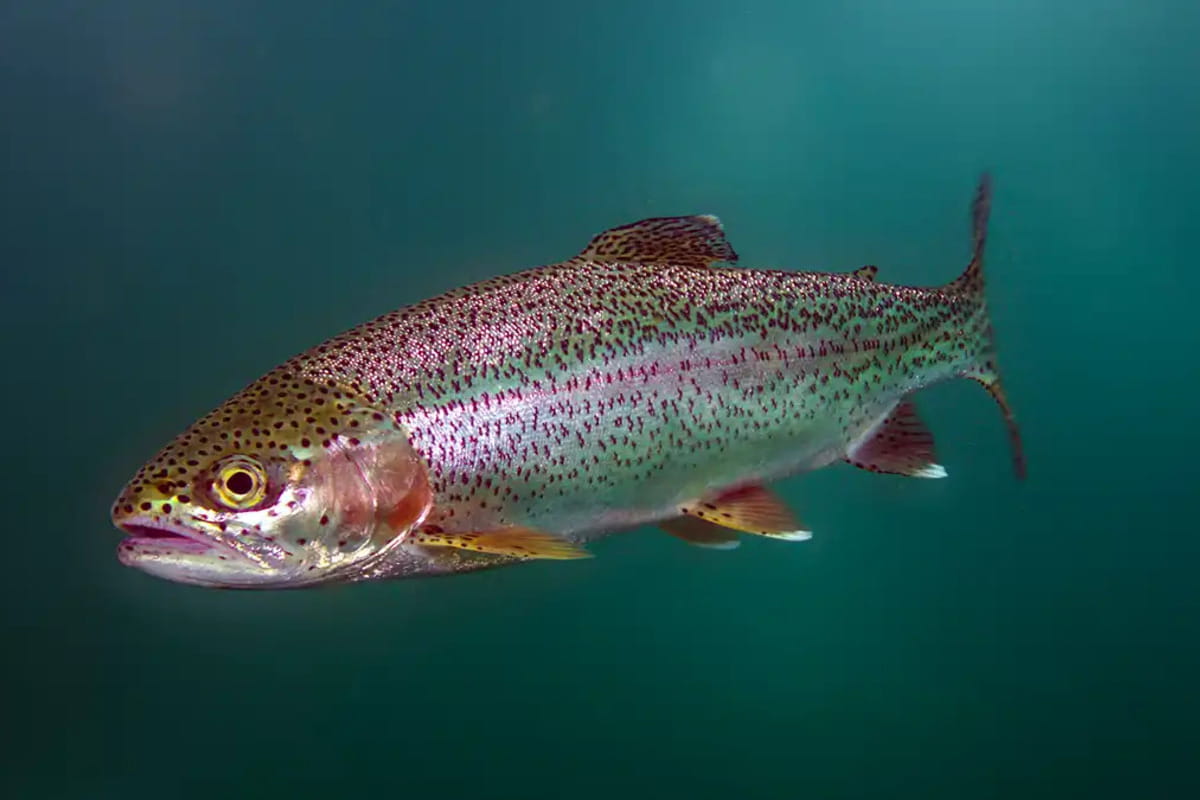
Trout is one of the most well-known freshwater fish in the world and is highly valued by both anglers and nature enthusiasts. It inhabits clean rivers, lakes, and mountain streams where the water remains cool for most of the year. Fascinating facts about trout reveal just how remarkable aquatic creatures can be, even when they may appear ordinary at first glance. This fish plays an important role in natural ecosystems and is often considered an indicator of water quality. You may not know that some of trout’s characteristics make it one of the most interesting fish species in the Northern Hemisphere.
- Trout belongs to the salmon family. It is a close relative of salmon, grayling, and several other well-known fish species. Because of this relationship, many aspects of its anatomy and behavior resemble those of other members of the family. At the same time, trout possesses its own unique characteristics.
- This fish is extremely sensitive to water quality. It does not tolerate pollution or low oxygen levels well. For this reason, trout are most commonly found in clean rivers and streams. Their presence often indicates that a body of water is in good ecological condition.
- There are many species of trout that can differ significantly from one another. The most famous include brown trout, rainbow trout, and lake trout. Each species has its own characteristics related to coloration, size, and lifestyle. As a result, trout can be found in many different parts of the world.
- Rainbow trout received its name from the distinctive colorful stripe running along the sides of its body. This stripe may shimmer with pink, purple, or silver hues depending on the light. The feature makes the fish easy to recognize. Rainbow trout is also one of the most commonly raised species in fish farms.
- Trout has exceptionally well-developed eyesight. It can detect even slight movements on the surface of the water or near the shoreline. This ability helps it locate prey and avoid danger. Because of its alertness, many anglers consider it a challenging fish to catch.
- Young trout display characteristic dark markings along their bodies. This coloration helps them blend into rocky riverbeds and aquatic vegetation. As they mature, these markings often become less visible. The camouflage reduces their risk of being detected by predators.
- Trout can leap surprisingly high above the water. These jumps help them overcome natural obstacles during migration. In some cases, they can clear small waterfalls and rocky rapids. This impressive ability often amazes experienced observers.
- The diet of trout is highly varied. It feeds on insects, larvae, crustaceans, and small fish. Feeding preferences may change depending on age and environmental conditions. This flexibility allows trout to adapt successfully to different habitats.
- Some trout species are capable of undertaking long migrations. They move between different sections of rivers or between freshwater and saltwater environments. These journeys are usually associated with reproduction. Migration is a demanding process that requires considerable energy.
- Trout deposit their eggs in specially prepared depressions on the bottoms of rivers and streams. Females select locations with clean gravel and a steady current. These conditions provide developing offspring with sufficient oxygen. Such careful site selection greatly improves the survival chances of young fish.
- Water temperature plays a crucial role in the life of trout. The fish thrives best in cool aquatic environments. Rising temperatures can negatively affect its health and activity levels. This is one reason why climate change is a concern for scientists studying trout populations.
- Trout can alter the intensity of its coloration. Environmental conditions, seasonal changes, and physical condition all influence its appearance. As a result, individuals of the same species may sometimes look quite different from one another. These variations are a natural phenomenon.
- This fish is renowned for its strength and endurance. Even relatively small trout can put up a significant fight when caught. Because of this, trout fishing is popular in many countries. It is often regarded as a true test of angling skill.
- Trout plays an important role in aquatic food chains. It acts both as a predator and as prey for larger animals. Otters, birds, and larger fish frequently feed on trout. In this way, the species helps maintain ecological balance within freshwater environments.
- In some mountain rivers, trout live at elevations exceeding two thousand meters above sea level. They have adapted to cold water and strong currents. Such conditions are unsuitable for many other fish species. Trout, however, can thrive in these challenging habitats.
- Rainbow trout has been introduced to many countries outside its native range. It was widely cultivated because of its rapid growth and popularity as food. In some regions, it successfully established populations in natural waters. This greatly expanded its global distribution.
- Trout possesses a specialized lateral line running along the length of its body. This sensory organ allows it to detect vibrations and movements in the surrounding water. As a result, the fish can navigate effectively even when visibility is limited. The system is essential for survival.
- The largest individuals of certain trout species can reach impressive sizes. Some specimens grow beyond one meter in length and weigh several dozen kilograms. Such fish are usually found in lakes and large bodies of water. They attract considerable interest from anglers.
- Trout is frequently used in scientific studies of aquatic ecosystems. Its response to environmental changes helps researchers assess ecological conditions. Scientists examine its behavior, growth, and reproduction. The information gathered contributes to the protection of natural resources.
- Many countries operate special programs aimed at restoring trout populations. These efforts include cleaning rivers, creating artificial spawning grounds, and releasing young fish into natural waterways. Such measures help maintain healthy population numbers. They also support the conservation of biodiversity.
Amazing facts about trout demonstrate that this fish is far more fascinating than it may initially appear. It combines resilience, adaptability, and ecological importance within a single species group. Fascinating facts about trout remind us how closely the health of freshwater ecosystems is connected to the overall condition of the environment. You may not know that protecting clean rivers and lakes is one of the most important factors in ensuring the future of many of these remarkable fish.


