
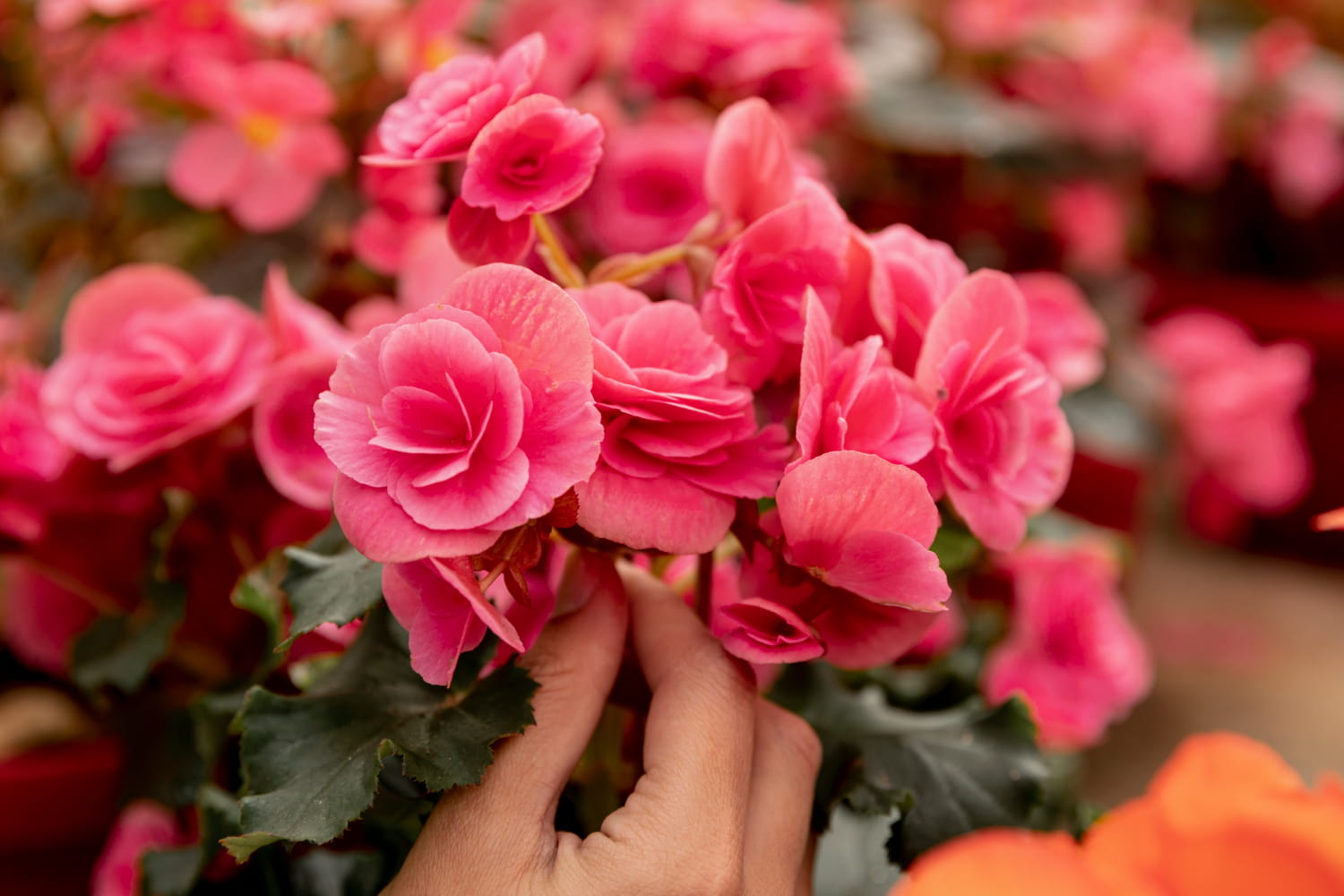
Begonias, these exquisite and diverse flowers, amaze with their beauty, adaptability, and rich history that you might not know about until today. These plants originate from tropical and subtropical regions and have long won the hearts of flower growers around the world. Amazing facts about begonias reveal their botanical origin, unique properties, and cultural significance. Fascinating facts will help you better understand why these flowers remain popular among gardening enthusiasts and houseplant lovers. Interesting facts compiled below will be useful for both experienced gardeners and those who are just beginning to get acquainted with these charming plants.
- Begonias belong to the Begoniaceae family and include more than one thousand eight hundred species, making them one of the largest genera of flowering plants. These plants originate mainly from tropical and subtropical regions of America, Africa, and Asia. Such diversity allows begonias to adapt to various growing conditions, from humid tropics to temperate climates. Each species has its unique characteristics, making them valuable for breeders and collectors.
- The name begonia comes from the name of the French botanist and governor of San Domingo Michel Bégon, who lived in the seventeenth century. It was he who organized the expedition during which the first specimens of these plants were collected for European science. Commemorating his name in the genus name emphasizes the importance of researchers’ contributions to the development of botany. This historical reference adds cultural depth to getting acquainted with these flowers.
- Begonias are divided into three main groups according to root system type these are rhizomatous, tuberous, and fibrous-rooted species. Each group has its own features of cultivation, propagation, and care, which is important for gardeners to consider. Tuberous begonias, for example, are known for their bright flowers and ability to store nutrient reserves in tubers. Understanding these differences helps provide optimal conditions for plant growth and flowering.
- Begonia leaves amaze with the diversity of forms, sizes, and colors, from soft green to deep burgundy with silvery patterns. Some species have asymmetrical leaves, which is a characteristic feature of the genus and helps in their identification. Decorative foliage is often valued even more than flowers, especially in indoor conditions. Such diversity makes begonias popular objects for collecting and landscape design.
- Begonia flowers can be monoecious or dioecious, with male flowers usually being larger and brighter than female ones. This feature affects the pollination and reproduction process of plants in natural conditions. In cultural cultivation, breeders often prefer varieties with double flowers, which have special decorative value. Understanding flowering biology helps gardeners achieve abundant and prolonged flowering.
- Begonias prefer diffused light and do not tolerate direct sunlight, which can cause leaf burns. They feel good in partial shade, making them ideal for growing on east- or west-facing windowsills. Excessive lighting can lead to fading of leaf color and premature wilting of flowers. Proper plant placement is the key to their healthy growth and decorative appeal.
- Watering begonias requires moderation, as excessive soil moisture can lead to root and tuber rot. It is recommended to water plants when the top layer of soil dries out, using settled water at room temperature. In winter, watering frequency is reduced since plants are in a dormant period. Following the proper watering regime helps avoid common problems with growing begonias.
- Begonias propagate in various ways, including seeds, cuttings, tuber division, and leaf cuttings. Each method has its advantages and features, allowing gardeners to choose the most convenient option. Seed propagation requires more time and effort but allows obtaining a large number of new plants. Vegetative methods guarantee preservation of the maternal plant’s varietal characteristics.
- Begonias are sensitive to temperature fluctuations and do not tolerate cold drafts, which can cause stress and diseases. The optimal temperature for growth is eighteen to twenty-two degrees Celsius during the day and slightly lower at night. In winter, it is important to protect plants from overcooling, especially tuberous species that require a dormant period. Creating stable conditions promotes the health and longevity of begonias.
- Some begonia species have edible flowers and leaves that are used in cooking for decorating dishes and preparing beverages. Flowers have a light sour taste reminiscent of lemon and add originality to dishes. However, it is important to ensure that plants have not been treated with pesticides before using them in food. Such a culinary property makes begonias interesting not only for decorative but also for practical application.
- Begonias can suffer from pests such as aphids, spider mites, and thrips, which damage leaves and flowers. Regular inspection of plants and timely treatment with insecticides help prevent mass infestation. Preventive measures, including maintaining optimal humidity and ventilating the room, reduce the risk of pest appearance. Healthy plants with proper agricultural practices suffer less from insects.
- Begonias play an important role in traditional medicine of some countries, where they are used to treat various ailments. Extracts from leaves and roots are used to relieve inflammation, heal wounds, and alleviate pain. However, before using begonias for medicinal purposes, it is important to consult a specialist, as some species can be toxic. Scientific research continues to study the potential of begonias in pharmacology.
- Begonias are widely used in landscape design to create bright accents in flower beds, borders, and hanging baskets. They combine beautifully with other flowers such as petunias, lobelias, and ivies, forming harmonious compositions. In indoor conditions, begonias become an elegant decorative element that beautifies the interior throughout the year. Their versatility makes them ideal for various greening styles.
- Modern breeding has given the world thousands of begonia varieties with diverse flower forms, colors, and plant sizes. Double varieties have a lush appearance, resembling miniature roses, while single ones retain classic elegance. Some novelties are distinguished by increased resistance to diseases and adverse weather conditions. New cultivars appear every year, expanding possibilities for flower growers.
- Begonias are toxic to humans and animals when ingested due to the content of oxalic acid in all parts of the plant. Poisoning symptoms may include nausea, vomiting, and irritation of mucous membranes upon contact with sap. It is important to keep plants away from children and pets. When working with begonias, it is recommended to use gloves to protect the skin.
- Begonia essential oil is valued in perfumery for its delicate floral aroma with green notes. It is used as a component in compositions, adding freshness and sophistication. Natural begonia oil is quite rare, so it is often replaced by synthetic analogs in mass production. This valuable raw material continues to inspire perfumers to create exquisite fragrances.
- Begonias play an important economic role in countries with developed floriculture, where they are grown for sale on a large scale. Every year, millions of plants are sent to different countries, satisfying the demand of gardeners and flower lovers. This industry provides jobs and contributes to the development of rural regions. International trade in begonias emphasizes their global popularity and commercial value.
- For long-term preservation of cut begonias in a vase, it is recommended to use cool water and regularly refresh the stem cut. Adding special preservatives helps extend the life of flowers and maintain their fresh appearance. Begonias do not like proximity to fruits that release ethylene, which accelerates wilting. Proper care allows enjoying the beauty of these flowers indoors for several days.
- Begonias are often confused with other decorative foliage plants such as ficuses and coleus, although these are different plant genera. Begonias are distinguished by asymmetrical leaves, specific flower structure, and propagation features. Understanding these differences helps correctly identify plants and choose appropriate conditions for their cultivation. Such awareness contributes to successful plant care.
- Begonias have the ability to purify air in rooms, absorbing harmful substances and releasing oxygen. This property makes them useful for improving the microclimate in residential and office premises. Regular ventilation and maintaining optimal humidity enhance the positive influence of plants on air quality. Such an ecological function adds practical value to growing begonias in home conditions.
Fascinating facts about begonias demonstrate how these charming flowers combine natural beauty, rich history, and practical value for gardening. Amazing facts remind us of the importance of proper care and understanding plant needs to obtain abundant flowering. Interesting facts inspire experiments with growing begonias and using them in creating harmonious floral compositions. This collection of knowledge serves as a solid foundation for those who seek to better understand begonias and unlock their full potential in their own garden or home.


