
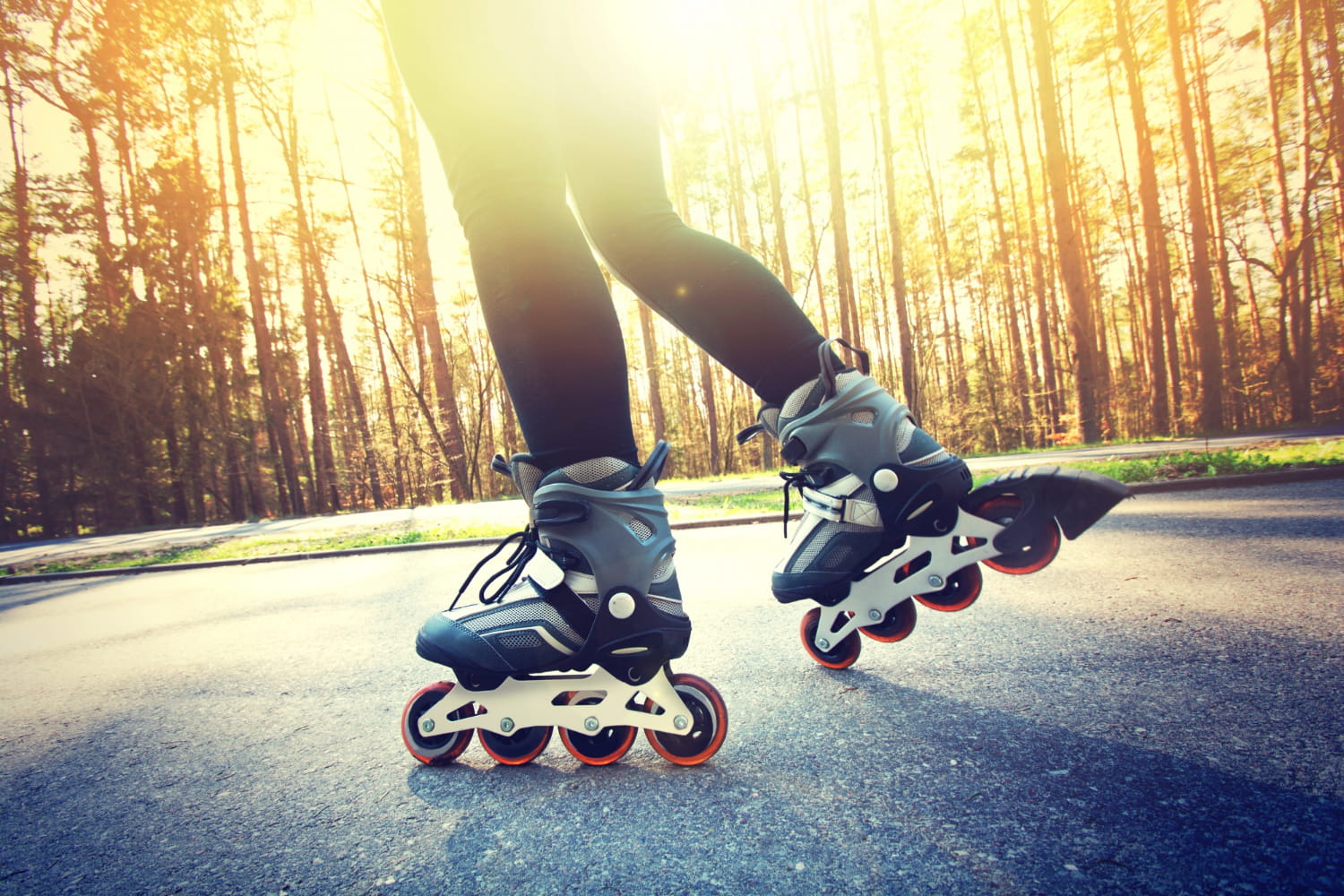
Roller skating has long ceased to be just a children’s pastime and has evolved into a global movement that combines sport, art, and everyday mobility. Many people perceive this activity merely as entertainment, but in reality, it hides an entire worldwide culture with deep historical roots. Amazing facts about this type of activity will help you understand why it continues to win the hearts of millions of fans around the world. Fascinating facts reveal not only technical features but also the impact on health, psychology, and the urban environment. You might not know how diverse and scientifically grounded the world of roller sports is, so we invite you to dive into a detailed overview of this dynamic field.
- The first roller skates appeared in the eighteenth century thanks to Belgian inventor Joseph Merlin, who constructed a device with metal wheels arranged in a single row. This experimental prototype had numerous design flaws, which caused the inventor to crash during a demonstration at a ball. Despite the failure, his idea launched a long journey of development for the industry of wheeled mobile transportation. Modern models differ radically from that early design while preserving only the general principle of movement.
- A revolutionary leap in equipment development occurred in the seventies of the last century when engineers first used polyurethane for manufacturing wheels. This material provided an ideal combination of surface grip and durability, which allowed skating even on asphalt without vibrations. Before this, manufacturers used wood, clay, or metal, which wore out quickly and created discomfort during rides. Thanks to polyurethane, roller skates became accessible to the general public and gained the status of full-fledged sporting equipment.
- Quad skates with four wheels arranged in a rectangular pattern appeared significantly later than inline models and were patented by American James Plimpton in 1863. Such a design provided much better stability on turns since the center of gravity was distributed evenly between two axles. This very innovation made it possible to open the first specialized rinks where people could learn to dance and perform figures. Many modern artistic disciplines still use this type of footwear to achieve maximum precision in movements.
- The physical benefits of regular roller skating training are comparable to running since the body burns from five to ten calories per minute depending on intensity. At the same time, the impact load on knee and ankle joints is significantly lower than during a regular run on hard surfaces. Constantly maintaining balance engages deep core muscles that rarely receive sufficient load in everyday life. Regular rides improve the cardiovascular system, strengthen the lungs, and contribute to normalizing blood pressure.
- The variety of skating styles is impressive in its breadth and includes speed competitions, aggressive freestyle, artistic skating, and street roller hockey. Each direction requires specialized equipment with different characteristics of wheels, frames, and fastenings for optimal control. Athletes often combine several disciplines to develop universal skills and improve overall movement coordination. International federations regularly update rules while considering technical progress and participant safety.
- The influence on a person’s mental state during skating is often compared to the effect of meditation since the monotonous rhythm of movement promotes entering a flow state. The brain switches to processing spatial information, which temporarily lowers cortisol levels and relieves obsessive thoughts. Many psychologists recommend this type of activity as an effective way to combat anxiety and emotional burnout. The social aspect of group rides additionally enhances positive feelings through shared experience and support from like-minded people.
- Safety during riding is ensured not only by protective gear but also by the correct choice of surface and weather conditions for training. Wet asphalt sharply reduces the grip of polyurethane wheels, so experienced riders avoid rides after rain. Regular maintenance of bearings and timely replacement of worn parts significantly reduce the risk of sudden breakdowns at speed. Learning the technique of proper falling is part of the basic training program for beginners and has saved many people from serious injuries.
- Speed models are developed with aerodynamics in mind, so their boots have a low profile and rigid ankle fixation to minimize energy loss. Large wheels with diameters up to one hundred twenty-five millimeters allow maintaining high inertia even over long distances. Athletes use special suits made of smooth fabric to reduce air resistance during track competitions. Records in this discipline are constantly updated as engineers search for new materials for frames and axles.
- The urbanization of modern cities is gradually integrating infrastructure for roller sports into the general transport network of settlements. Some European capitals have already equipped separate lanes with perfectly smooth surfaces, which promotes safe movement for residents. Such an approach reduces the number of traffic jams and improves the ecological situation in central districts. Architects actively consult with experienced riders when designing new public spaces and park areas.
- The aggressive skating style requires durable boots with special grooves for performing jumps and grinding on rails and curbs. This direction combines elements of acrobatics with balancing technique, which makes it one of the most spectacular types of extreme sports. Judges at competitions evaluate the complexity of tricks, flight height, and landing cleanliness according to clearly defined criteria. Many professional athletes started their careers precisely with street training before receiving invitations to international tournaments.
- Technological progress has even affected details such as bearings, where modern products are made from ceramic or Teflon-coated steel to reduce friction. Such innovations allow wheels to rotate significantly longer after one push, which saves the rider’s energy over extended distances. Regular cleaning of mechanisms from dust and moisture extends the equipment’s service life by several seasons of active use. Specialists recommend lubricating moving parts only with specialized oils to avoid absorbing abrasive particles.
- Social networks and video platforms have played a key role in popularizing roller sports by uniting scattered communities from around the world into a single global network. Bloggers regularly publish educational materials, reviews of new equipment, and videos from travels along scenic routes in different countries. Online forums have become a place for exchanging experiences where beginners receive advice from industry veterans without geographical restrictions. Such digital interaction stimulates the emergence of new ideas for tricks and promotes the development of local clubs.
- The ecological aspect of using roller transportation is becoming increasingly relevant in the context of fighting global warming and air pollution. The complete absence of harmful emissions makes this method of transportation an ideal option for short daily trips around the city. Manufacturers are actively implementing recycled materials into the construction of boots and packaging to reduce the industry’s carbon footprint. Many urban activists organize mass rides to draw authorities’ attention to the need for developing alternative transport corridors.
- Learning basic skills happens much faster in children since their vestibular apparatus is in a phase of active development and easily adapts to new conditions. Adults often need more time to master braking and turning techniques due to entrenched movement patterns from everyday life. Professional instructors use special exercises for gradually shifting the center of gravity and overcoming the fear of losing balance. Constant practice forms new neural connections, which improves overall motor skills and reaction to external stimuli.
- Historical roller skating competitions were held as early as the beginning of the twentieth century when athletes competed in endurance over long marathon distances. The first official world championships were organized in the middle of the last century and quickly gained popularity in many countries. Modern tournaments include not only speed races but also artistic programs where athletes demonstrate synchronicity and grace of movement. International federations constantly work toward including this sport in the Olympic Games program.
- The influence of music on skating style is an integral part of the culture since the rhythm of a composition directly determines the tempo of movements and the emotional mood of the rider. Many rinks in the seventies became centers for forming a separate musical direction that combined disco, funk, and electronic sounds. Modern performers often create special playlists for training, selecting tracks with a clear beat to maintain a steady pace during rides. This synergistic effect increases endurance and makes the learning process more exciting and less exhausting.
- Professional equipment costs significantly more than amateur models since advanced technologies and rare materials are involved in its production. Carbon inserts in boots provide maximum rigidity with minimal weight, which is critical for speed disciplines. Aluminum and magnesium frames offer an ideal balance between strength and flexibility, allowing precise control of movement trajectory. Investments in quality equipment always pay off through increased comfort, safety, and durability of the components themselves.
- Global climate changes affect the seasonality of skating since mild winters reduce the number of days suitable for safe outdoor rides. Many enthusiasts adapt to new conditions by moving training to indoor facilities or using special covers for wheels on ice. Manufacturers develop universal models capable of withstanding temperature and humidity fluctuations without losing technical characteristics. Such flexibility allows maintaining physical fitness throughout the year regardless of the weather conditions in the region of residence.
Interesting facts about this dynamic type of activity demonstrate how simple movement on wheels has transformed into a comprehensive system of physical culture and urban mobility. Amazing facts confirm that regular classes positively affect all aspects of health by combining physical endurance with psychological relaxation. Fascinating facts remind us of the importance of respecting nature, developing infrastructure, and preserving sports traditions for future generations. This collection of knowledge serves as a reliable foundation for those who seek to understand the philosophy of roller sports more deeply and integrate it into their daily lives.


