
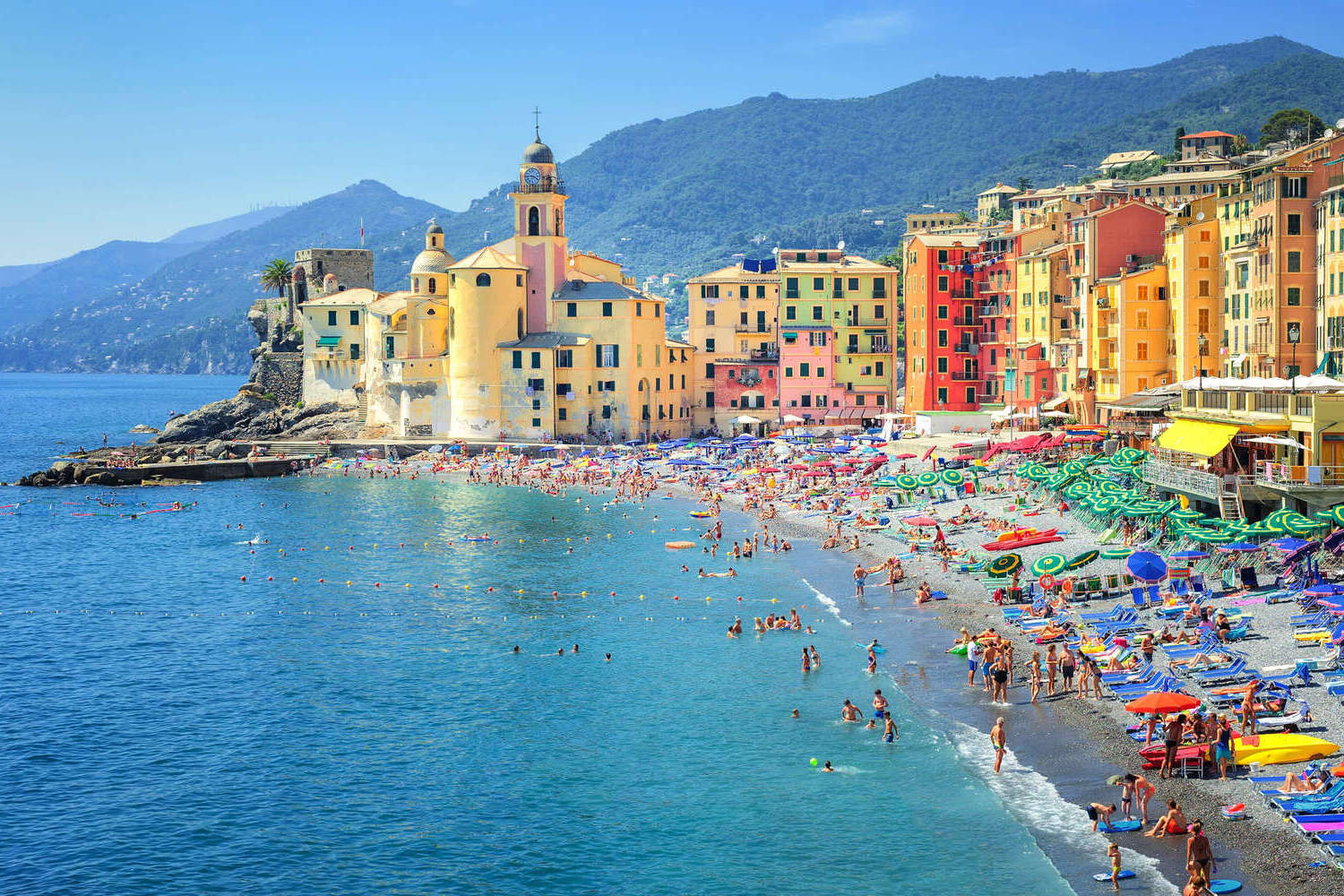
Genoa is a city where the sea, stone, and history are woven together so tightly that they form a single, inseparable whole. It does not try to impress at first glance, yet it gradually reveals its depth to those willing to look closely. Interesting facts about Genoa lead through centuries of maritime power, financial influence, and cultural ambition. Here, incredible facts are hidden in narrow streets, old palaces, and the everyday rhythm of local life. You may not have known that Genoa was not merely a port city, but one of the places that helped shape Europe itself.
- For many centuries, Genoa was one of the most powerful maritime republics in the Mediterranean. Its fleet controlled key trade routes linking Europe with the East. The city competed fiercely with Venice and Pisa for dominance at sea. Maritime commerce became the foundation of Genoa’s wealth and political strength.
- Genoa played a crucial role in the development of European banking. Some of the earliest financial institutions dealing with credit and state debt emerged here. Genoese bankers financed royal courts and major military campaigns across Europe. Their financial influence extended far beyond the Italian peninsula.
- The historic center of Genoa is considered one of the largest old towns in Europe. It consists of a dense labyrinth of narrow streets known as caruggi. Daily life in these districts has changed very little over the centuries. Walking through them feels like stepping back into another era.
- Genoa possesses one of the oldest continuously operating ports in the Mediterranean. The harbor has been active since ancient times. It served as a vital hub for the trade of spices, textiles, and precious goods. Even today, the port remains central to the city’s economy.
- The city is famous for its palaces built by wealthy and influential families. Many of them stand along streets designed specifically to showcase power and prestige. Their architecture balances grandeur with restraint. These buildings reflect the ambitions of Genoese elites during the city’s golden age.
- Genoa is closely associated with Christopher Columbus. It is widely believed that he was born here and spent part of his early life in the city. Genoa preserves this connection through museums and historic sites. This link highlights the city’s role in the age of global exploration.
- Genoa’s urban landscape is shaped by both mountains and the sea. The city rises in terraces from the coastline up the surrounding hills. From many points, wide panoramic views open over rooftops and water. This geography gives Genoa a distinctive and memorable appearance.
- Unique urban elevators and funiculars were built in Genoa to overcome its steep terrain. They connect the lower parts of the city with neighborhoods located higher on the slopes. These systems were practical solutions to challenging geography. Over time, they became part of the city’s identity.
- Genoa is widely regarded as the birthplace of pesto sauce. The classic recipe originated here and was passed down through generations. Its flavor is closely tied to local ingredients and climate. Genoese cuisine reflects a deep connection between land, sea, and tradition.
- For a long time, Genoa remained relatively closed to outside influences. Its residents were known for their caution and reserved attitude toward outsiders. This contributed to the formation of a distinctive local character. At the same time, such reserve did not prevent the city from playing a global role.
- Genoa has a rich tradition of music and theater. Opera and instrumental music flourished here with strong local support. The city actively encouraged composers and performers. Cultural life was always an essential part of Genoa’s development.
- Maritime symbolism is deeply embedded in the image of Genoa. It appears in the city’s coat of arms, architecture, and local legends. For centuries, the sea shaped the worldview of its inhabitants. It was both a source of prosperity and a constant threat.
- Genoa’s political history is complex and marked by frequent change. Different forms of government rose and fell within the city. Periods of prosperity alternated with crises and decline. These shifts left a lasting imprint on Genoa’s cultural character.
- Buildings from different architectural periods coexist throughout the city. Medieval structures stand alongside Renaissance and Baroque palaces. This layering creates a strong sense of historical depth. Genoa feels like a living archive of architectural history.
- Genoa has always served as a gateway between land and sea. Goods, people, and ideas passed through the city for centuries. This constant movement shaped a diverse cultural environment. Genoa became a meeting point of different worlds and traditions.
Genoa gives the impression of a city that does not attempt to simplify its past or soften its character. Its fascinating facts emerge through history, space, and everyday life. You may not have known many of these details, yet they help reveal the city’s true identity. Interesting facts about Genoa show that its importance extends far beyond familiar tourist routes.


