
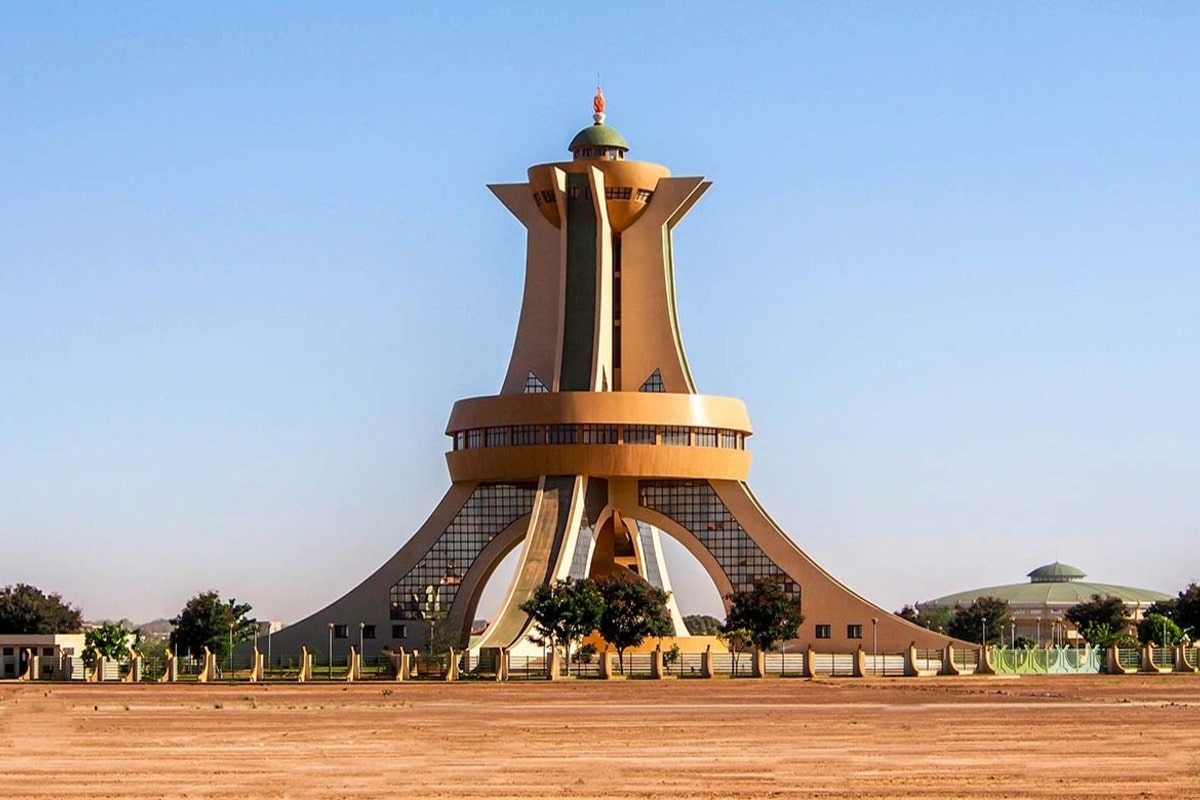
Ouagadougou rarely appears on the front pages of travel magazines, yet the city has a strong character and remarkable cultural depth. As the capital of Burkina Faso, it combines ancient African traditions with the rhythm of modern urban life. There are many interesting facts and incredible facts that challenge common stereotypes about West Africa. You may not know that Ouagadougou is considered one of the most important cultural and artistic centers in the region. These fascinating facts help reveal the city as a living space shaped by history, people, and ideas.
- Ouagadougou is the capital of Burkina Faso and the largest city in the country. It serves as the political, economic, and administrative center of the state. Most government institutions and international organizations are located here. This makes the city a key hub for national life.
- The name Ouagadougou has deep historical roots. It originates from the name of an ancient settlement and is linked to the languages of local peoples. It is often interpreted as an honorable place or the residence of a ruler. This reflects the city’s importance even in precolonial times.
- The city was once the capital of the powerful Mossi Kingdom. For centuries, political authority was concentrated here. The rulers of the Mossi people exerted strong influence over regional affairs. Their legacy is still evident in local traditions and social structures.
- Ouagadougou lies within the savanna zone and has a dry climate. The year is clearly divided into a dry season and a rainy season. Temperatures frequently rise above thirty degrees Celsius. These conditions strongly affect daily life and urban design.
- The city is widely regarded as the cultural capital of West Africa. It hosts the largest African film festival, FESPACO. This event brings together filmmakers and artists from across the continent. As a result, Ouagadougou has become a major center of African cinema.
- Street life in Ouagadougou is extremely vibrant. Markets, workshops, and small businesses often operate in open-air spaces. The city is filled with music, conversations, and constant movement. This creates an atmosphere of openness and energy.
- Traditional crafts play an important role in the city’s life. Local artisans produce textiles, wooden masks, and jewelry. Many of these items carry symbolic or ritual meanings. Craft skills are passed down from generation to generation.
- Ouagadougou is an important educational center in Burkina Faso. The city is home to universities and research institutions. They attract students from all parts of the country. Education is widely seen as a pathway to social change.
- Motorcycles are the primary means of transportation in the city. They are affordable and well suited to local conditions. Economic factors and climate both contribute to their popularity. Motorcycles shape the distinctive rhythm of urban movement.
- The architecture of Ouagadougou blends traditional and modern elements. Clay-built houses stand alongside concrete and glass structures. Many buildings are designed with heat in mind. This helps maintain cooler indoor temperatures.
- The city plays a significant role in the development of regional music culture. Both traditional rhythms and modern genres are popular. Music accompanies festivals as well as everyday activities. It serves as a powerful form of expression and social connection.
- Ouagadougou has an active public and cultural life. Festivals, markets, and public events are held regularly. People of different ages and backgrounds take part. These gatherings strengthen a sense of community.
- Local cuisine reflects the agricultural traditions of the country. Diets are based on grains, legumes, and local sauces. The food is simple yet nourishing. Eating habits are closely tied to climate and available resources.
- Ouagadougou has strategic importance for domestic trade. Major transportation routes pass through the city. It connects the northern and southern regions of the country. This facilitates the exchange of goods and ideas.
- The population of the city has grown rapidly in recent decades. Migration from rural areas is the main reason for this increase. People move to the city in search of work and education. This growth brings both opportunities and challenges.
- Ouagadougou is known for the hospitality of its residents. People are generally open and willing to help others. Traditions of mutual support remain strong. This quality often leaves a lasting impression on visitors.
- The city is actively involved in contemporary social and cultural processes in Africa. Discussions about development, identity, and the future take place here. Young people play an increasingly important role in these changes. This makes Ouagadougou a dynamic and evolving city.
Ouagadougou clearly shows how tradition and modern life can coexist within one urban space. Interesting facts and incredible facts highlight the city’s importance beyond the borders of Burkina Faso. You may not have known how rich and diverse its cultural life truly is. Fascinating facts reveal Ouagadougou as a city of resilience, energy, and human dignity.


