
Saudi Arabia is one of the most well-known countries in the Middle East and plays an important role in global politics, economics, and religious life. For many people, the country is associated with vast deserts, oil, and a hot climate, yet its history and culture are far richer and more diverse. It is home to Islam’s holiest sites, unique natural landmarks, and ambitious modern projects that attract worldwide attention. Fascinating facts about this nation reveal a side of Saudi Arabia that many people rarely see. Below are interesting facts about Saudi Arabia, including many remarkable details that you may not have known before.
- Saudi Arabia is the largest country on the Arabian Peninsula. Its territory covers more than two million square kilometers. In terms of size, it ranks among the largest countries in Asia. The nation includes deserts, mountain ranges, plains, and extensive coastlines.
- The country was officially established in 1932. At that time, various regions of the Arabian Peninsula were unified under the rule of King Abdulaziz Ibn Saud. The name of the country comes from the surname of the ruling dynasty. This is one of the few examples in the world where a nation is named after a royal family.
- Saudi Arabia is home to Mecca, the holiest city in Islam. Muslims around the world face this city during their daily prayers. Every year, millions of pilgrims travel there to perform the Hajj pilgrimage. It is one of the largest recurring religious gatherings on Earth.
- The country is also home to Medina. This city contains the Prophet Muhammad’s Mosque. Medina is considered the second holiest city in Islam. Visiting it holds great spiritual significance for Muslims.
- Saudi Arabia is the largest country in the world without a permanent river. Because of its arid climate, most waterways appear only temporarily after rainfall. To supply water to its population, the country relies heavily on underground sources and seawater desalination. It is among the global leaders in desalinated water production.
- In the southern part of the country lies the Rub’ al Khali desert. Its name translates as the Empty Quarter. It is considered one of the largest continuous sand deserts in the world. Some of its dunes rise to heights exceeding 250 meters.
- Saudi Arabia possesses enormous oil reserves. For many decades, it has remained one of the world’s leading oil producers. The petroleum industry has had a profound impact on the country’s economic development. As a result, the nation has accumulated significant financial resources.
- The Ghawar oil field is located in the eastern part of the country. It is regarded as the largest conventional oil field in the world. Its discovery was a major milestone in the history of global energy production. The field continues to play a crucial role in the oil industry.
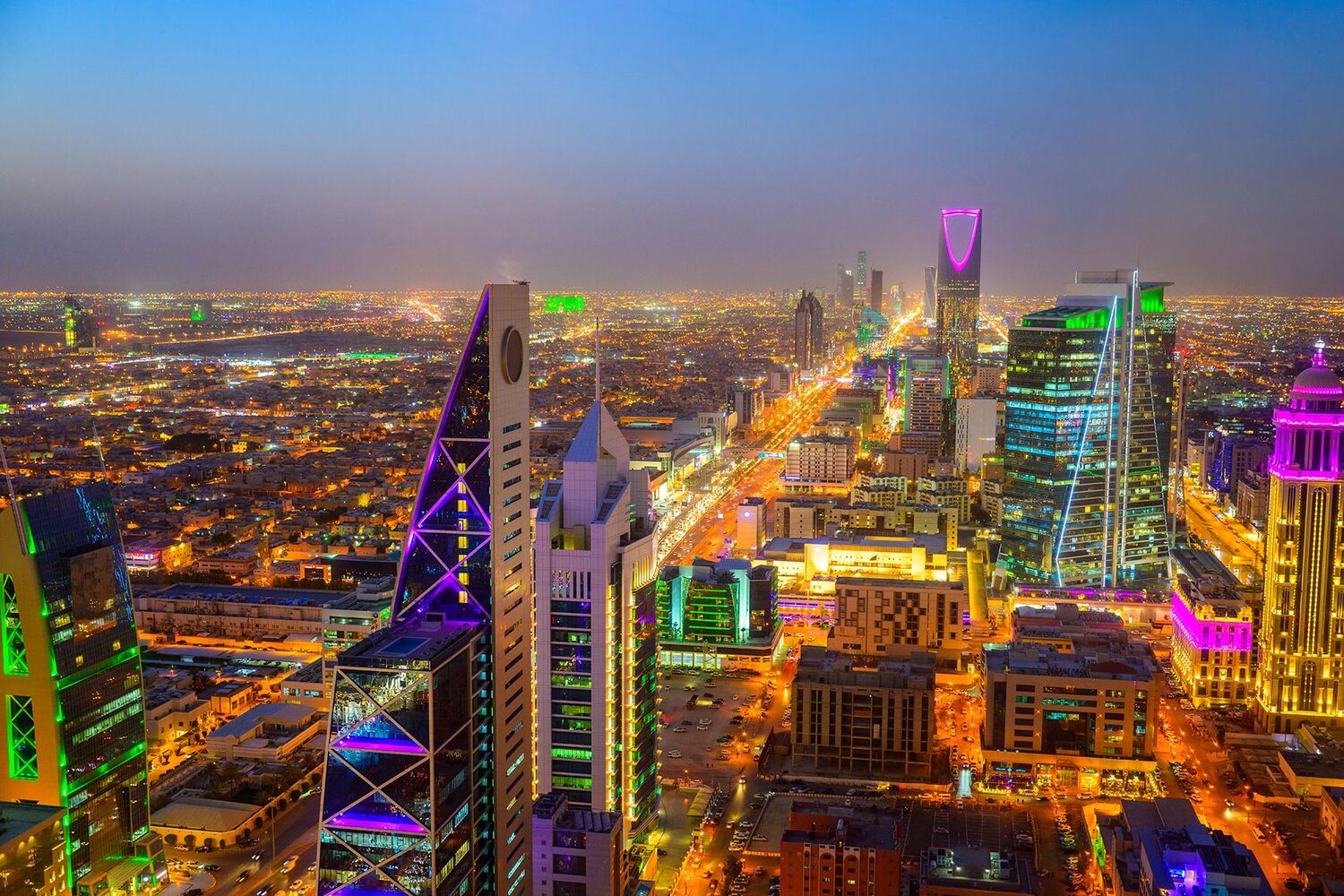
- The capital city of Riyadh has undergone a remarkable transformation over recent decades. It was once a relatively small settlement in the desert. Today, it is a modern metropolis filled with skyscrapers, highways, and advanced infrastructure. Millions of people now live there.
- Saudi Arabia has coastlines on both the Red Sea and the Persian Gulf. This strategic location has made it an important transportation and trade hub. The country’s shoreline stretches for thousands of kilometers. Maritime routes are essential to its economy.
- The country is home to Al-Ahsa, one of the largest oases in the world. Millions of date palms grow there. Agriculture has been practiced in this region for thousands of years. The oasis is an important historical and cultural landmark.
- Dates hold a special place in the culture and daily life of Saudi Arabia. They are often offered to guests as a symbol of respect and hospitality. Dozens of date varieties are cultivated throughout the country. These fruits are an essential part of traditional cuisine.
- Camels have played a vital role in the lives of local people for centuries. They were used to transport goods across the desert. In addition, they provided milk and other valuable resources. Today, camels remain one of the country’s most important cultural symbols.
- Camel racing is a popular tradition in Saudi Arabia. This form of competition has a long history. For many residents, it is considered an important part of national heritage. Some races attract thousands of spectators.
- The Hijaz and Asir mountain ranges stretch across the western part of the country. Their climate is considerably cooler than that of the desert regions. Certain areas contain richer vegetation and agricultural land. These landscapes stand in sharp contrast to the surrounding deserts.
- Saudi Arabia possesses a rich archaeological heritage. Archaeologists have discovered ancient settlements, caravan routes, and rock art throughout the country. Some of these sites are thousands of years old. They demonstrate the region’s importance in human history.
- The ancient city of Hegra became the first site in Saudi Arabia to be inscribed on the UNESCO World Heritage List. It was an important center of the Nabataean Kingdom. Numerous rock-cut tombs have been preserved there. For this reason, the city is often compared to the famous city of Petra in Jordan.
- Extensive coral reefs can be found in the Red Sea along the country’s coastline. They provide habitats for hundreds of species of fish and other marine creatures. These waters attract divers from all over the world. Some reef systems remain only partially explored.
- Saudi Arabia is actively developing its tourism sector. The government invests heavily in new resorts, museums, and visitor centers. Special attention is given to natural attractions and historical landmarks. This strategy helps diversify the national economy.
- One of the most ambitious projects of the modern era is the construction of NEOM. It is envisioned as an innovative city of the future. The project incorporates advanced technologies and environmentally sustainable solutions. Its scale has attracted global attention.
- Poetry is highly valued in Saudi Arabia. For centuries, it has been an important element of Bedouin culture. Stories, traditions, and moral values were often passed down through verse. Appreciation for poetic expression remains strong today.
- Saudi cuisine developed under the influence of nomadic lifestyles and international trade. Many traditional dishes are prepared using rice, lamb, and aromatic spices. Hospitality is regarded as an essential part of local culture. Sharing meals often carries significant social importance.
- Large volcanic fields are located across parts of the country. They were formed by ancient geological activity. Dark lava landscapes create a striking contrast with the golden sands of the surrounding deserts. This is one of the lesser-known natural features of Saudi Arabia.
- Different regions of Saudi Arabia have their own Arabic dialects. These dialects can vary considerably in pronunciation and vocabulary. Such linguistic diversity developed over many centuries. It reflects the country’s rich cultural heritage.
Interesting facts about Saudi Arabia show that this nation is far more diverse than many people imagine. You may not have known that alongside vast deserts there are ancient monuments, unique natural environments, and traditions that have survived for centuries. Fascinating facts about the country help explain its importance in world history and culture. The more one learns about Saudi Arabia, the more its remarkable and unexpected sides are revealed.


