
Shintoism is one of the oldest religious traditions in the world and an inseparable part of Japanese culture. This belief system developed over many centuries and has preserved numerous unique characteristics that distinguish it from other religions. Many people are familiar with Shinto shrines and the famous torii gates, but these are only a small part of a vast spiritual heritage. Fascinating facts about Shintoism provide a deeper understanding of the Japanese worldview and their relationship with nature, traditions, and ancestors. You may not know that this religion has no founder, no sacred book in the conventional sense, and not even a single unified set of doctrines.
- Shintoism is considered the indigenous religion of Japan and emerged long before written records appeared. Its origins can be traced back to ancient tribal beliefs connected to the forces of nature. Many elements of this tradition were passed down orally for centuries. For this reason, it is impossible to determine the exact date of its origin.
- Unlike many world religions, Shintoism does not have a specific founder. Its development took place gradually through local cults and folk traditions. Different communities worshipped their own deities and spirits. Over time, these beliefs merged into a unified religious system.
- The concept of kami occupies a central place in Shintoism. Kami are deities, spirits, or sacred forces that may exist within natural objects, people, and various phenomena. Kami are not always viewed as all-powerful gods. In many cases, they are regarded as guardians of a particular place or community.
- Shintoism does not contain the concept of absolute good and absolute evil. Instead, much greater importance is placed on harmony and purity. People are expected to maintain proper relationships with the world around them. The disruption of this balance is considered the primary problem.
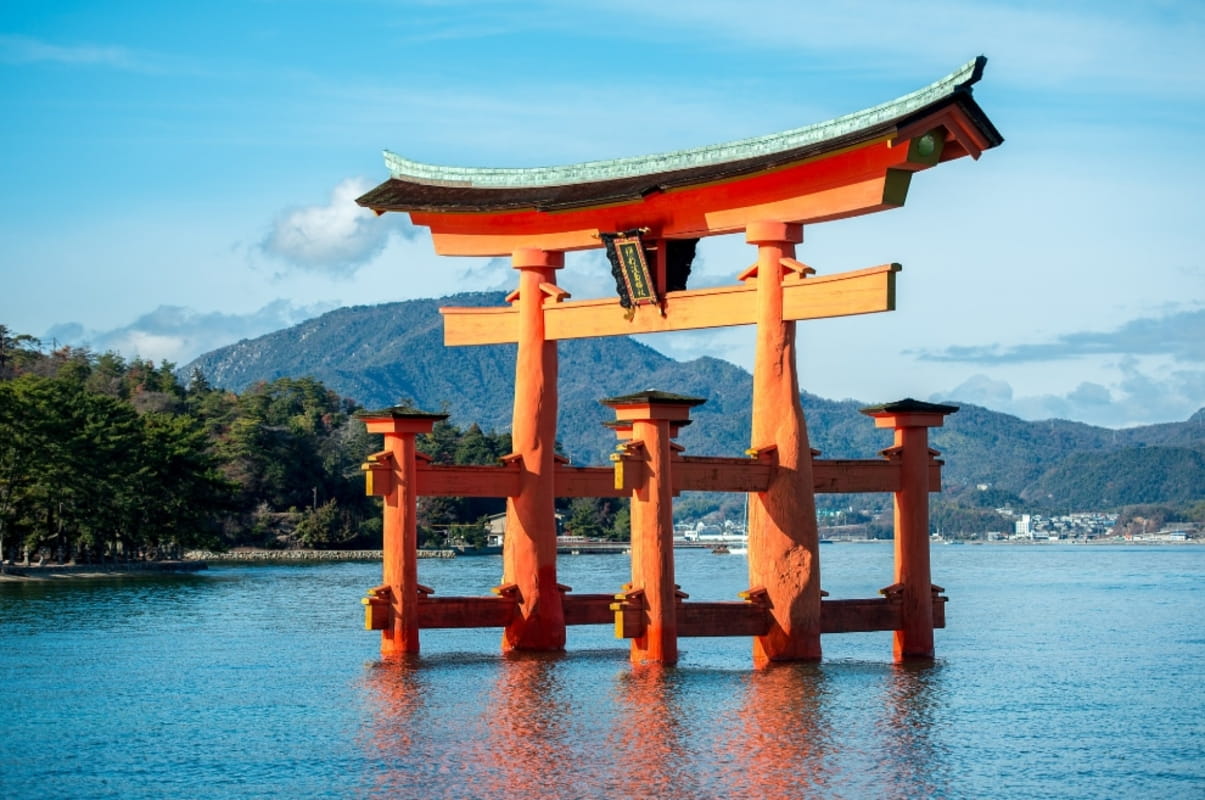
- One of the most recognizable symbols of Shintoism is the torii gate. It marks the transition from the ordinary world into a sacred space. These structures are often placed at the entrance to shrines. Thousands of torii gates of different shapes and sizes can be found throughout Japan.
- Many Shinto festivals are connected to the changing seasons. These celebrations help people strengthen their bond with nature. During festivals, processions, dances, and rituals of gratitude are performed. They often bring together entire towns and villages.
- Shintoism places special emphasis on purification. Before entering a shrine, visitors usually wash their hands and rinse their mouths with water from a designated basin. This ritual symbolizes both spiritual and physical cleansing. It remains an important tradition in modern Japan.
- Sacred trees can be seen at many Shinto shrines. These trees are wrapped with special ropes known as shimenawa. Such trees are believed to be places where kami reside. As a result, they are treated with great respect.
- The Japanese Imperial Family has historically been connected to Shintoism. According to traditional beliefs, the imperial lineage descends from the sun goddess Amaterasu. This legend played an important role in the formation of Japanese statehood. It remains a well-known element of national culture today.
- Amaterasu is one of the most revered deities in Shintoism. The famous Ise Shrine is dedicated to her. This shrine complex is regarded as one of the most sacred places in the country. Millions of pilgrims and tourists visit it every year.
- Shintoism coexisted with Buddhism for centuries without major conflicts. Many Japanese people continue to observe elements of both religions. For example, weddings may be conducted according to Shinto traditions, while funerals often follow Buddhist customs. This combination is very common in Japan.
- Shintoism does not have a single mandatory statement of faith. Each shrine may possess its own traditions and distinctive features. As a result, the religion remains highly diverse. Nevertheless, all branches share a respect for kami and nature.
- Many Shinto shrines are located in picturesque settings among forests, mountains, or near bodies of water. This placement is not accidental. The natural environment is considered especially close to the realm of the kami. Therefore, nature itself becomes part of the sacred space.
- One popular tradition involves the use of wooden plaques known as ema. People write their wishes or prayers on these plaques. The plaques are then left within the shrine grounds. It is believed that the kami can hear such requests.
- Shinto shrines often sell protective charms called omamori. These charms are intended for protection, academic success, safe travel, or good health. Each charm has a specific purpose. Many Japanese people carry them every day.
- In ancient times, Shinto priests carefully observed natural phenomena. They associated harvests, weather conditions, and natural disasters with the mood of the kami. For this reason, rituals of gratitude and prayers for abundant crops were extremely important. Some of these traditions have survived to the present day.
- Interestingly, certain shrines are rebuilt on a regular basis. The most famous example is Ise Shrine, which is traditionally reconstructed approximately every twenty years. This practice symbolizes renewal and the continuity of life. At the same time, craftsmen preserve ancient construction techniques.
- Shintoism does not focus heavily on questions concerning the afterlife. Instead, its primary concern is harmonious living in the present world. People are encouraged to live honestly and maintain positive relationships with others. This approach is regarded as one of the religion’s most important principles.
- Many Japanese martial arts have been influenced by the Shinto worldview. Discipline, self-control, and respect are especially valued. Purification rituals are sometimes performed before training sessions or competitions. This highlights the spiritual dimension of these practices.
- In modern Japan, Shinto traditions remain an important part of everyday life. People visit shrines during the New Year, seek blessings before important events, and participate in local festivals. Even individuals who do not consider themselves religious often follow these customs. This demonstrates the deep cultural influence of Shintoism.
Amazing facts about Shintoism reveal how closely this tradition is connected to nature, history, and the daily lives of Japanese people. It has preserved many ancient customs while continuing to thrive in the modern world. Fascinating facts about this religion help people better understand Japanese culture and its unique way of viewing life. You may not know that many Japanese traditions have remained alive for centuries largely because of the enduring influence of Shintoism.


