
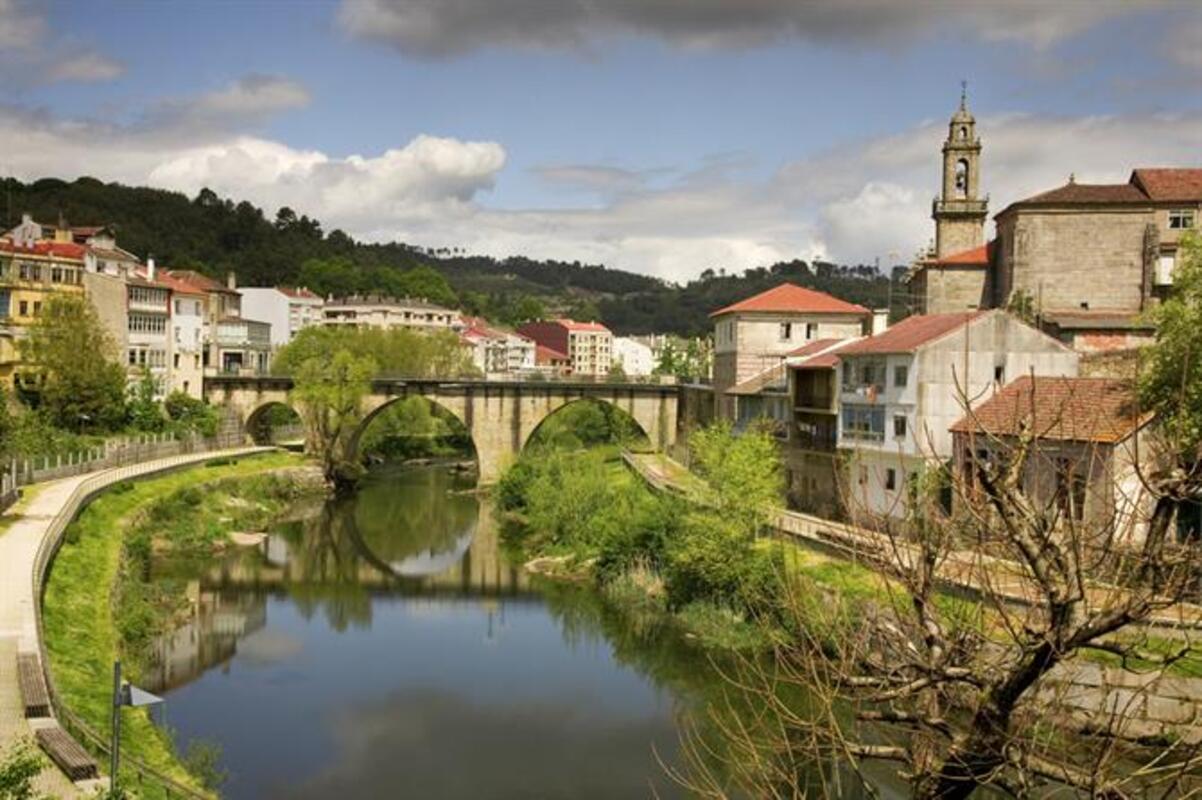
Galicia is one of the most distinctive regions of Spain. It impresses visitors not only with its picturesque landscapes but also with its rich history, unique culture, and ancient traditions. This region is located in the far northwest of the Iberian Peninsula, where the Atlantic Ocean shapes both the natural environment and the daily lives of local residents. Many people associate Galicia primarily with the famous pilgrimage route leading to Santiago de Compostela, yet this region has far more to offer. Below are interesting facts about Galicia that will help you better understand this remarkable corner of Europe.
- The name Galicia originates from the ancient people known as the Gallaeci. The Romans considered them to be a Celtic tribe. They inhabited these lands long before the arrival of the Roman Empire. Traces of their culture can still be found in local folklore, music, and legends.
- Galicia has its own language, known as Galician. It is an official language alongside Spanish. Galician shares many similarities with Portuguese. This reflects the common historical development of the two peoples during the Middle Ages.
- Galicia has a coastline that stretches for more than 1,500 kilometers. The coast is deeply indented with numerous inlets known as rías. This geographical feature has created a large number of natural harbors and fishing ports. As a result, maritime activities have played an important role in the region for centuries.
- The capital of the region is Santiago de Compostela. The city became world-famous because of its cathedral, which serves as the final destination of the renowned Camino de Santiago. Hundreds of thousands of travelers arrive here every year. For many visitors, the journey carries profound spiritual significance.
- The Camino de Santiago is one of the most famous pilgrimage routes in the world. Its popularity has endured for more than a thousand years. The route passes through various regions of Europe. Its final destination is located in Galicia.
- Galicia is home to Spain’s only national park situated on Atlantic islands. The park includes the Cíes Islands, Ons Island, and several other island groups. These areas provide habitats for numerous colonies of seabirds. The surrounding waters are known for their exceptional clarity.
- The region is often called Green Spain. This nickname comes from its abundant rainfall and mild oceanic climate. The landscapes resemble those of Ireland or northern France more than the sunny regions of southern Spain. As a result, the countryside remains lush and green throughout much of the year.
- The city of Lugo preserves ancient Roman walls that almost completely surround its historic center. These fortifications were constructed around the third century. They are considered among the best-preserved Roman defensive walls in the world. Visitors can walk along the top of the walls and enjoy panoramic views of the city.
- Seafood occupies a special place in Galician cuisine. Octopus, mussels, scallops, and many other marine species are harvested in local waters. The region’s restaurants are renowned far beyond Spain’s borders. Many culinary experts consider Galicia one of the finest destinations for seafood lovers.
- One of the most famous dishes is Galician-style octopus. It is traditionally served with paprika, salt, and olive oil. Although the ingredients are simple, preparing the dish correctly requires considerable skill. It has become one of the most recognizable symbols of the region.
- Galicia shares a border with Portugal. For centuries, the two territories maintained close cultural and economic ties. These connections influenced local architecture, language, and traditions. Many residents can easily understand spoken Portuguese.
- The region produces the famous white wine Albariño. It is highly appreciated for its fresh flavor and fruity aromas. The wine pairs exceptionally well with seafood dishes. For this reason, it is frequently served in coastal restaurants.
- Galicia is notable for its large number of small settlements. Thousands of villages and hamlets are scattered throughout the region. Many of them have existed for centuries. This characteristic gives Galicia a uniquely populated rural landscape.
- Local folklore is rich with stories about witches, spirits, and mysterious creatures. Ancient legends continue to be passed down in many villages. Some of these tales originate from Celtic traditions. They remain an important part of the region’s cultural heritage.
- Galicia’s economy is closely connected to the ocean. Fishing, shipping, and seafood processing provide employment for thousands of people. Major ports play a significant role in international trade. Maritime culture is visible throughout the region.
- Galicia is home to one of Spain’s most prestigious universities. The University of Santiago de Compostela traces its origins back to the fifteenth century. For generations, it has served as a major educational center. Today, students from many countries come here to study.
- The historic center of Santiago de Compostela has been designated a UNESCO World Heritage Site. It is famous for its medieval streets, stone buildings, and historic squares. The city’s architectural character developed over many centuries. This has allowed it to preserve a unique atmosphere from the past.
- Galicia is one of Spain’s historic autonomous communities. It has its own parliament and regional government. This status helps preserve the region’s cultural identity. It also supports the continued development of the Galician language and traditions.
- Galicia is home to the westernmost point of mainland Spain. Cape Finisterre was once believed to mark the end of the known world. Ancient Romans thought that only the endless ocean lay beyond it. As a result, the area became associated with numerous myths and legends.
- Hundreds of remains of ancient Celtic settlements known as castros can still be found throughout the region. These communities were usually built on elevated ground for defensive purposes. Several archaeological sites are open to visitors. They offer valuable insights into life more than two thousand years ago.
- Galicia is one of the largest producers of mussels in Europe. Special floating platforms are used to cultivate them in coastal inlets. These structures have become a distinctive feature of the local landscape. Every year, enormous quantities of seafood are harvested in the region.
- Fog is so common in Galicia that it has become part of the region’s identity. It contributes to the image of a mysterious land filled with myths and legends. Many writers and poets have described this natural phenomenon in their works. The fog is especially impressive along the Atlantic coastline.
Fascinating facts about Galicia reveal just how diverse and remarkable a single European region can be. Many people may not realize that ancient traditions, natural beauty, and cultural richness coexist here in such harmony. These intriguing facts offer a completely different perspective on Spain. For that reason, Galicia continues to attract travelers, researchers, and anyone who enjoys discovering extraordinary places.


