
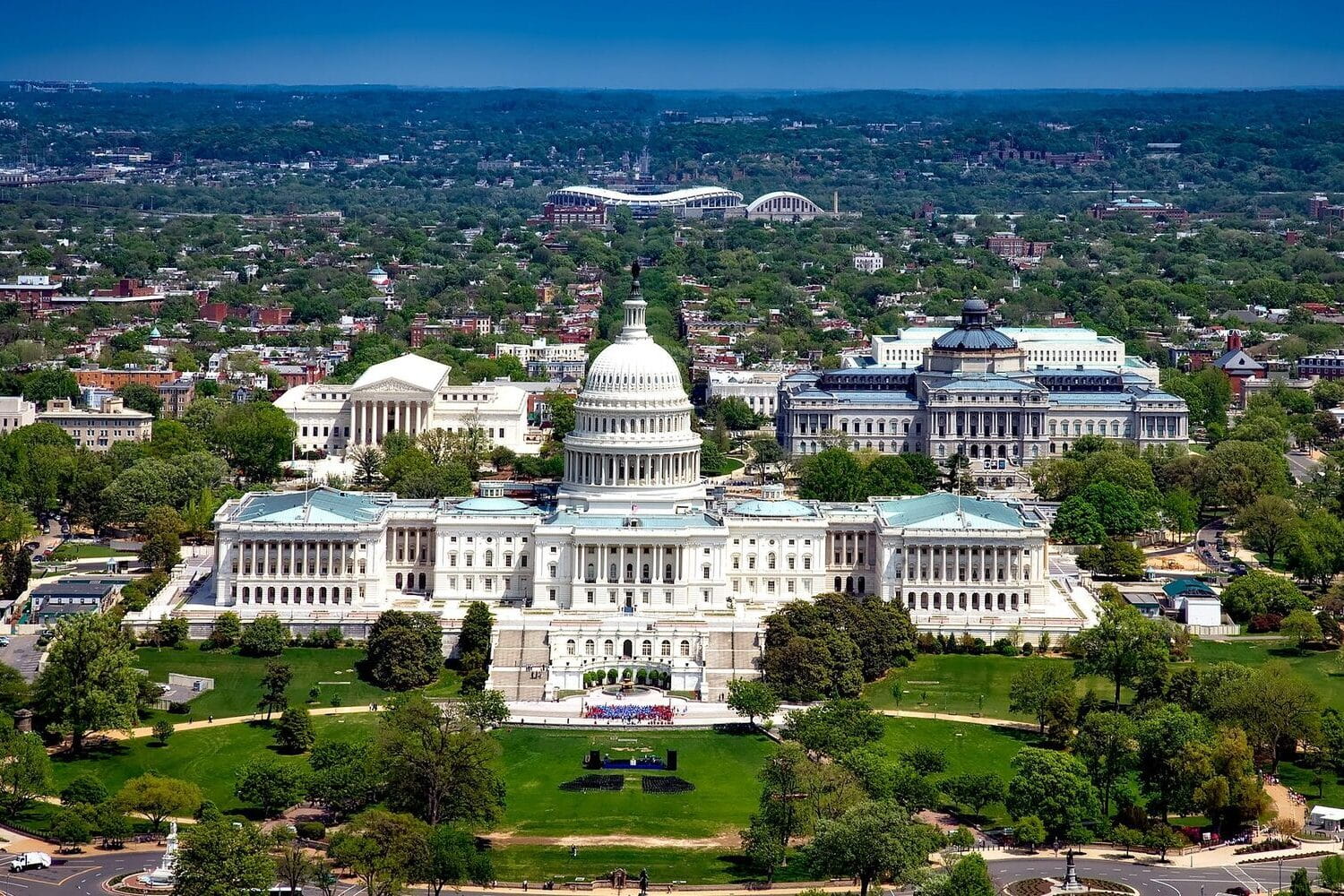
Washington represents a unique city that combines political power, rich history and cultural heritage of the United States of America. Many people perceive it merely as the capital and centre of federal authority, but in reality this city conceals far more interesting secrets and historical treasures. You might not know that Washington possesses a unique architectural concept, special administrative status and traditions that have been forming for over two centuries. In this article we will examine fascinating facts that will help better understand the uniqueness and multifaceted nature of this iconic American city.
- Washington was founded on the sixteenth of July seventeen hundred and ninety as a special federal district not belonging to any state. This decision was made to ensure the independence of the federal government from the influence of individual states. The city is located on the banks of the Potomac River between the states of Maryland and Virginia. Such administrative status makes Washington unique among other capitals of the world.
- The city received its name in honour of the first president of the United States George Washington, who is considered the founding father of the nation. The design of the capital was undertaken by French architect Pierre Charles L’Enfant, who developed a radial-circular street system. His plan included wide avenues, parks and monumental buildings that were meant to symbolise the greatness of the new state. Many elements of this plan have survived to this day and determine the modern appearance of the city.
- The White House serves as the official residence of the president of the United States and is one of the most famous symbols of American power. The building has one hundred and thirty-two rooms, including six floors and thirty-five bathrooms. The first president to reside in the White House was John Adams in eighteen hundred and one. Each year the house is visited by more than one and a half million tourists, making it one of the most popular attractions in the capital.
- The United States Capitol serves as the meeting place of Congress and embodies the ideals of American democracy. The building has more than five hundred and forty rooms, including chambers for sessions of the Senate and the House of Representatives. Its majestic dome, made of cast iron, is one of the most recognisable architectural elements of Washington. Every day thousands of visitors take part in tours to learn more about the legislative process of the United States.
- The Washington Monument is the tallest stone structure in the world and reaches a height of one hundred and sixty-nine metres. The construction of the obelisk lasted more than thirty-six years due to financial difficulties and the civil war. Inside the monument there is an elevator that takes visitors to an observation deck with a panoramic view of the city. This structure has become a symbol of respect for the first president and his contribution to the formation of the nation.
- The Library of Congress is the largest library in the world by volume of collections and number of preserved materials. Its collection contains more than one hundred and seventy million items, including books, manuscripts, maps and musical recordings. The main building of the library, known as the Thomas Jefferson Building, amazes with its luxurious interior and artistic murals. This institution serves not only legislators but also researchers and the public from all over the world.
- The Smithsonian Institution unites nineteen museums and nine research centres, creating the largest museum complex on the planet. Most exhibitions of the Smithsonian are free for visitors, which makes culture and science accessible to everyone. Collections include everything from historical artefacts to spacecraft and natural history specimens. This network of institutions plays a key role in preserving and popularising knowledge.
- Every spring Washington transforms into a real celebration of beauty thanks to the blooming of cherry trees gifted by Japan in nineteen hundred and twelve. More than three thousand cherry trees around the Tidal Basin create an incredible spectacle of pink flowers. The Cherry Blossom Festival attracts millions of tourists and has become a symbol of friendship between the two peoples. This natural wonder reminds us of the importance of cultural exchange and international cooperation.
- Washington has strict restrictions regarding the height of buildings, which preserves open views and emphasises the significance of monumental structures. The Height of Buildings Act of nineteen hundred and ten prohibits constructing buildings higher than the width of the adjacent street. This rule helps preserve the historical silhouette of the city and avoid excessive urbanisation. Thanks to this Washington possesses a unique architectural style that distinguishes it from other large metropolises.
- The National Archives of the United States preserves the most important documents of American history, including the Declaration of Independence and the Constitution. These documents are displayed in special hermetic showcases with temperature and humidity control for their preservation. Every year millions of visitors come here to see the originals of documents that formed the foundation of American statehood. The National Archives serves as a reminder of the fundamental values of freedom and democracy.
- The Lincoln Memorial is one of the most outstanding attractions of Washington and a symbol of the struggle for equality and national unity. The majestic statue of the sixteenth president, almost six metres tall, amazes visitors with its grandeur and serenity. The walls of the memorial are engraved with famous speeches by Lincoln, including the Gettysburg Address. This place has witnessed many historical events, including the speech by Martin Luther King.
- The Washington Metro is the sixth busiest metro system in the United States and is known for its architecture. The stations have characteristic vaulted ceilings and concrete structures created by architect Harry Weese. The system serves not only the capital but also suburbs in the states of Maryland and Virginia. The metro plays an important role in the transport infrastructure of the region and carries hundreds of thousands of passengers daily.
- Residents of the District of Columbia gained the right to vote in presidential elections only after the ratification of the twenty-third amendment to the Constitution in nineteen hundred and sixty-one. Before that, residents of the capital had no representation in the electoral system, although they paid federal taxes. Even today Washington has only one delegate in Congress without voting rights. This issue continues to be the subject of political discussions regarding democratic representation.
- The Pentagon, located near Washington in the state of Virginia, is the headquarters of the United States Department of Defense and the largest administrative building in the world. The pentagonal shape of the building allows efficient organisation of space and ensures rapid movement between units. More than twenty-three thousand employees work in the Pentagon, including military and civilian specialists. This building has become a symbol of American military power and strategic planning.
- Georgetown, one of the oldest districts of Washington, preserves the historical architecture and atmosphere of the eighteenth century. Narrow cobbled streets, old houses and boutique shops create the unique charm of this quarter. Georgetown University, founded in seventeen hundred and eighty-nine, is the oldest Catholic university in the United States. This district combines historical heritage with the modern cultural life of the capital.
Examining these incredible facts, we realise how multifaceted and historically significant Washington truly is. This city combines political power, cultural heritage and architectural grandeur, reflecting the values and ideals of the American nation. Fascinating facts about Washington inspire new generations of researchers to discover the inexhaustible potential of this unique capital. You might not know that every street and every attraction of this city tells a captivating story of the formation and development of the United States.


