
Table of Contents
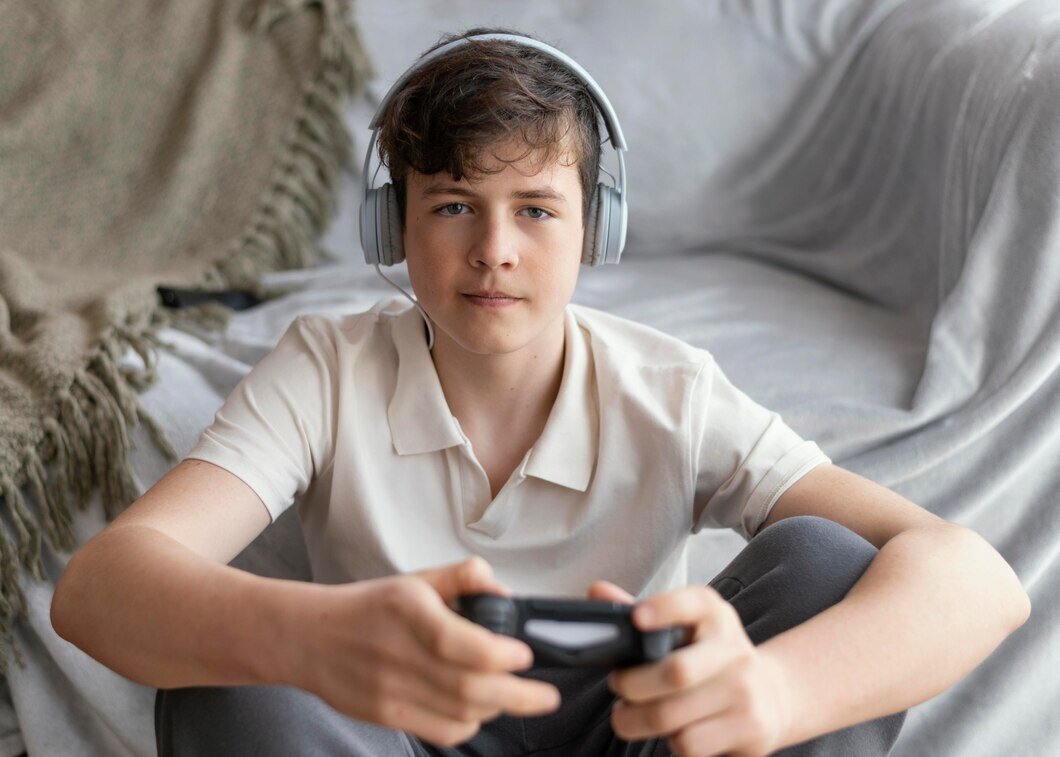
Computer games have long been a familiar part of life for children and teenagers. For many, gaming is a way to relax, socialize, and even develop new skills. However, an interest in games can sometimes gradually go beyond an ordinary hobby and begin to affect a child’s emotional well-being, behavior, and relationships with others. Parents may find it difficult to distinguish between a quiet, introverted personality and digital isolation, which may indicate underlying emotional difficulties.
Why Games Become So Important to Children
Online games create an environment where children experience different emotions, socialize, and develop a sense of achievement. During a consultation with a child psychologist, parents may discover that gaming is a way for many children to relax or relieve tension. However, it is important to understand that every child has their own reasons for enjoying games.
Children are often attracted to games because of the following features:
- an immediate sense of achievement;
- clear rules and structure;
- the ability to control situations;
- opportunities to interact with other players;
- a chance to take their minds off real-life problems.
An interest in gaming is not inherently dangerous. Problems arise when the digital world begins to completely replace everyday life.
A Quiet Personality or Isolation: What Is the Difference?
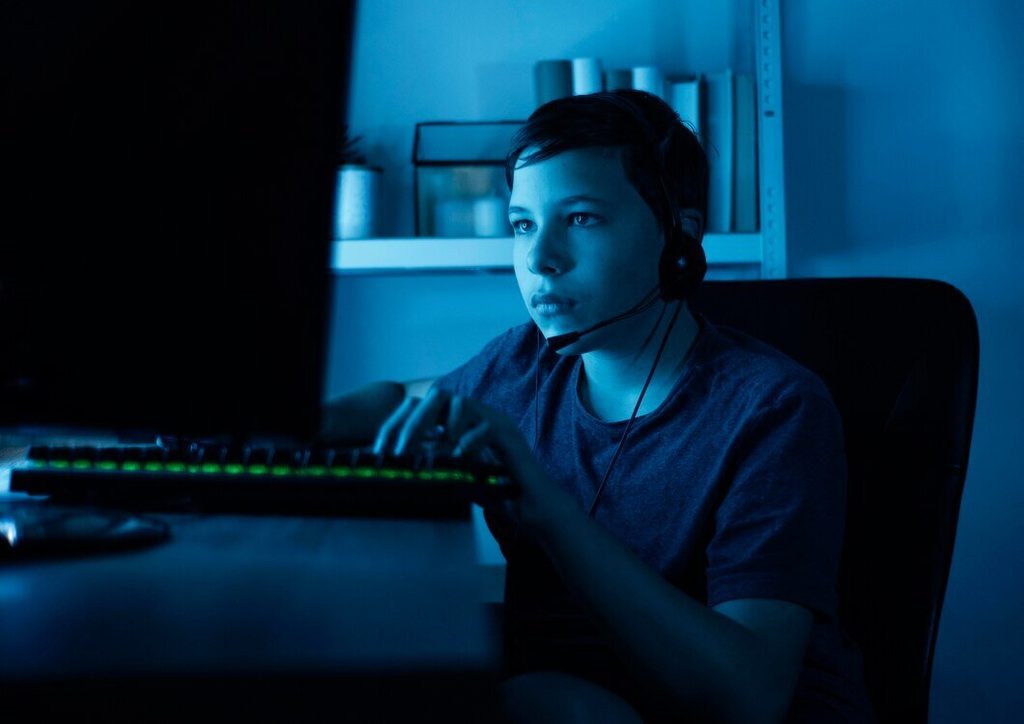
Not all children are equally outgoing or socially active. Introversion and a preference for quiet leisure activities are perfectly normal personality traits. Digital isolation, however, is characterized by different signs.
Parents should pay attention if their child:
- avoids all face-to-face communication;
- gradually abandons previous interests;
- spends almost all their free time online;
- becomes emotionally withdrawn;
- reacts strongly to attempts to limit gaming time.
The key difference is that a quiet child maintains an emotional connection with their family and an interest in everyday life, even if they enjoy spending time alone.
Warning Signs That Should Not Be Ignored
Parents often notice a problem only when conflicts over electronic devices become frequent. However, early warning signs may be less obvious.
These include:
- disrupted sleep caused by late-night gaming;
- loss of motivation to study;
- irritability when not playing games;
- neglect of basic needs;
- persistent fatigue or apathy.
Such changes may indicate not only excessive involvement in gaming but also emotional difficulties that the child is attempting to cope with through the digital world.
Why Strict Bans Often Do Not Work
When parents become concerned about excessive gaming, their first reaction is often to abruptly restrict access to electronic devices. However, strict control without understanding the underlying causes usually makes the conflict worse.
This happens because:
- gaming may be a way for the child to relieve stress;
- sudden restrictions can provoke resistance;
- the child may become even more withdrawn;
- mutual trust begins to deteriorate;
- the underlying problem remains unresolved.
Rather than fighting against gaming itself, it is much more effective to gradually restore a healthy balance between digital and everyday life.
How to Support a Child Without Putting Pressure on Them
The main responsibility of parents is not only to monitor the time their child spends at the computer but also to maintain a strong emotional connection with them.
The following approaches may be helpful:
- showing genuine interest in the games the child plays;
- having calm conversations without blame or accusations;
- encouraging other interests and hobbies;
- spending quality family time together without electronic devices;
- gradually establishing a healthy daily routine.
Children need to feel that their parents are trying to understand them rather than judging them.
When Professional Psychological Support Is Needed
Digital isolation can sometimes be a sign of deeper emotional difficulties, such as anxiety, loneliness, problems with social interaction, or emotional exhaustion.
It may be advisable to consult a psychologist if:
- the child completely avoids social interaction;
- their mood or behavior changes dramatically;
- gaming becomes their only source of joy;
- aggression or severe anxiety develops;
- family conflicts over electronic devices continue to escalate.
A psychologist can help identify the underlying reasons for such behavior and find a healthier way for the child to engage with the digital environment.
An interest in computer games is not a problem in itself. What matters is how the child feels outside the digital world and whether they maintain emotional connections with their loved ones.
The difference between a quiet personality and digital isolation is determined not so much by the amount of time spent online as by the child’s overall well-being, emotions, and ability to engage with the world around them. Attentiveness, support, and open communication help parents recognize warning signs early and provide their child with the necessary support without putting unnecessary pressure on them.


