
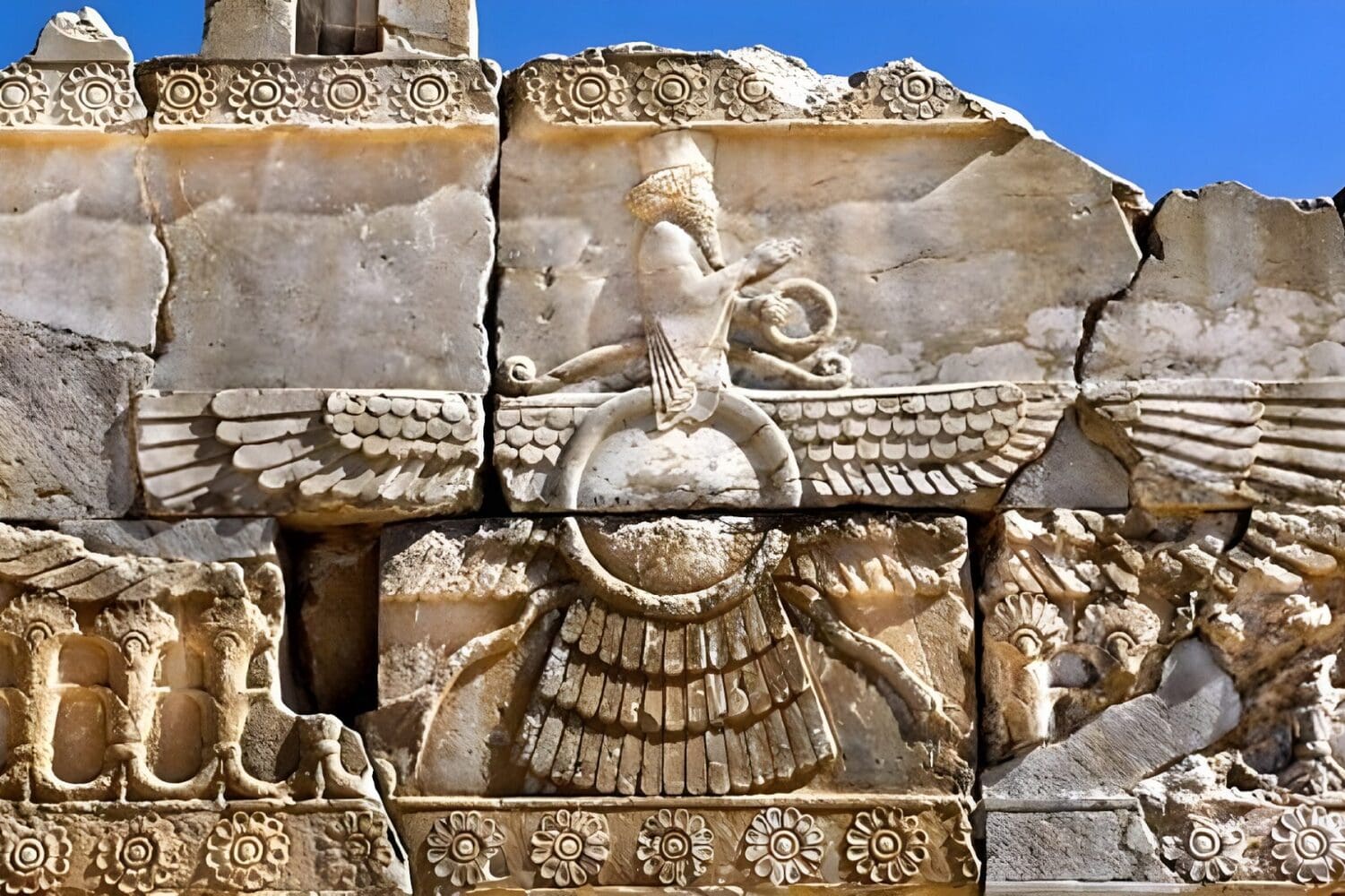
Zoroastrianism is one of the oldest religions in the world and has had a profound influence on the development of spiritual traditions in both the East and the West. Its origins are associated with the prophet Zarathustra, who lived in ancient Iran and taught the importance of moral responsibility and the human choice between good and evil. For many centuries, this religion shaped the culture of Persia and influenced philosophy, literature and the organization of state rule. Many symbols and concepts of Zoroastrianism have survived to the present day and remain recognizable even to those who have never studied the religion. Below are interesting and insightful facts that you may not have known.
- Zoroastrianism is considered one of the earliest monotheistic religions. Its core ideas emerged around the second millennium BCE. The central deity is Ahura Mazda, who represents good, wisdom and light. According to Zoroastrian teaching, every person has free will to choose between good and evil.
- Zarathustra is regarded as a spiritual reformer of his time. He rejected polytheism and proposed a new understanding of the world based on ethical principles. In his teachings, personal responsibility for one’s actions plays a central role. Zoroastrian priests were responsible for preserving and transmitting these teachings across generations.
- The sacred text of Zoroastrianism is the Avesta. It contains hymns, prayers, rules of conduct and descriptions of rituals. The oldest parts of the Avesta reflect the worldview of early pastoral societies. Later additions were made when Zoroastrianism gained political and state significance.
- At the heart of Zoroastrian morality is the principle of three virtues. It is expressed as good thoughts, good words and good deeds. This formula represents the foundation of righteous living. A person who follows it moves closer to truth and spiritual purity.
- The religion emphasizes the symbolic struggle between good and evil. Ahura Mazda embodies creative and benevolent forces, while Angra Mainyu represents destruction and chaos. Humans take part in this struggle through their everyday choices. Each decision is believed to influence the balance of the world.
- Fire holds a special place in Zoroastrianism. It is seen as a symbol of purity, truth and spiritual illumination. Fire temples maintain an eternal flame that is respected as a sign of divine presence, but not worshiped as a god. Priests ensure that this flame never goes out.
- Zoroastrian clothing has ritual and symbolic meaning. The white garment called the sudre represents purity and sincerity of intentions. The sacred cord kusti, worn around the waist, serves as a reminder of one’s spiritual duties. It is tied and untied during daily prayers.
- Zoroastrianism places strong emphasis on the protection of nature. Earth, water, air and fire are considered sacred elements that must remain clean and unpolluted. Contaminating nature is seen as a violation of spiritual law. This makes Zoroastrianism one of the earliest traditions to promote environmental ethics.
- Traditional funerary practices of Zoroastrians differ from those of many other cultures. To avoid polluting the earth or fire, the bodies of the deceased were not buried or cremated. Instead, they were placed on Towers of Silence, where the body would return to nature in a natural process. Today this practice is rare, but it remains an important part of the religion’s history.
- Zoroastrianism influenced several major world religions. Concepts such as judgment after death, heaven and hell, and the coming of a savior appear later in Judaism, Christianity and Islam. Scholars see parallels in the symbolic struggle between light and darkness. This makes Zoroastrianism a key link in the history of global religious thought.
- Today the number of Zoroastrians is relatively small. The largest communities live in Iran and India, where Zoroastrians are known as Parsis. Despite their small number, they are respected in their societies and are known for achievements in business, education and philanthropy. They continue to preserve their traditions and cultural identity.
Zoroastrianism is a religion founded on responsibility, moral awareness and conscious choice. It unites ancient symbols with a deep philosophy that remains relevant even today. Learning about this tradition offers a new perspective on the spiritual history of humanity and the importance of ethical action. Zoroastrianism teaches that every human act has meaning and contributes to the harmony of the world.


