
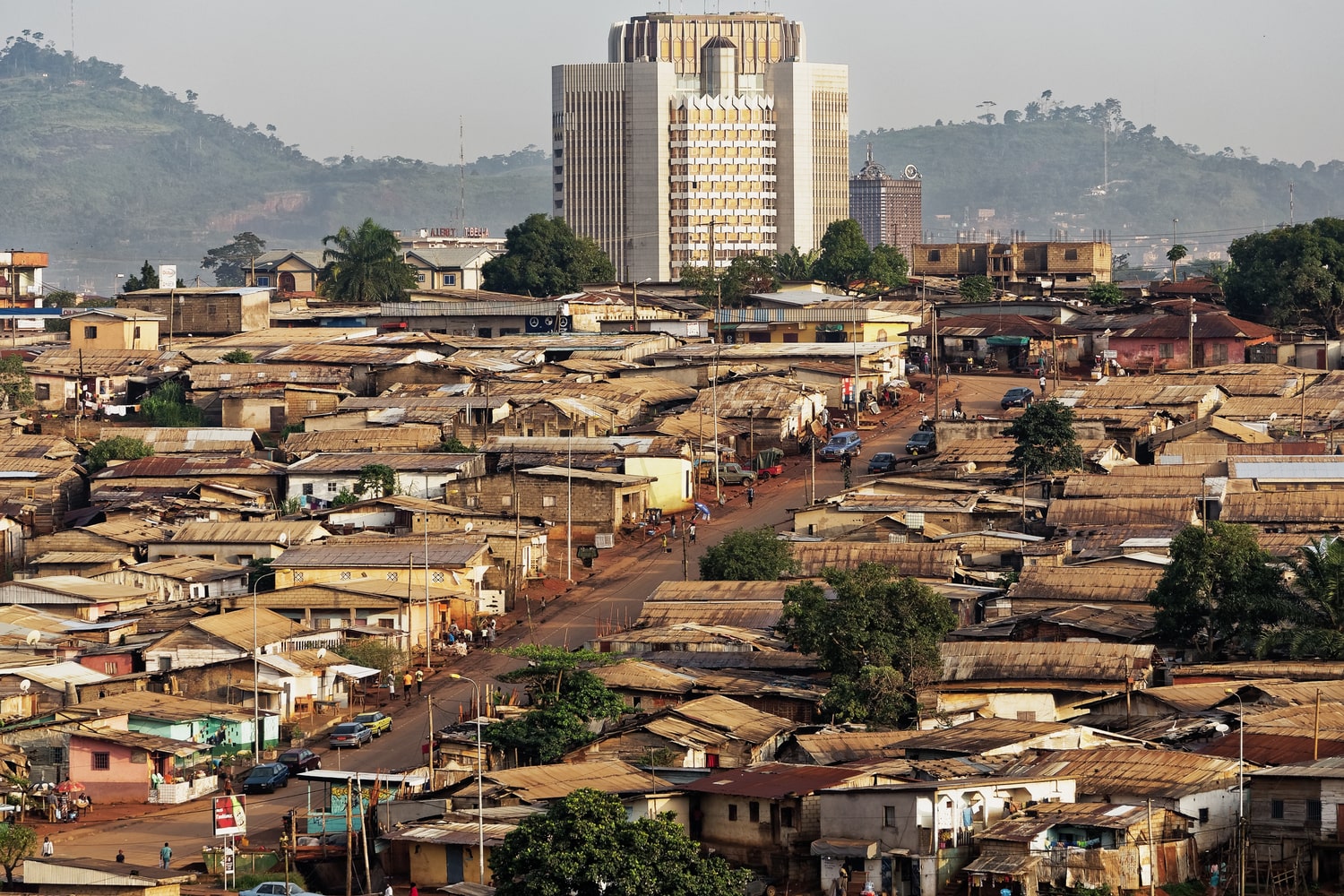
Yaoundé is one of those African cities that can surprise visitors from the very first encounter and continue to reveal new layers over time. As the capital of Cameroon, it brings together modern urban life, deep-rooted traditions, rich history, and a strong connection to nature. There are many interesting facts related to its geography, culture, languages, and everyday life that often go unnoticed. You may not know that Yaoundé moves to a rhythm very different from most global capitals, which gives it a distinct personality. Below is a collection of fascinating facts that help paint a fuller picture of this remarkable city.
- Yaoundé is located in the central part of Cameroon, surrounded by green hills and elevated terrain. The city lies on a plateau, which gives it a milder climate compared to coastal regions of the country. As a result, extreme heat is less common, and evenings can feel pleasantly cool. This landscape has strongly influenced urban planning and transportation routes.
- The foundation of Yaoundé dates back to the late nineteenth century during the German colonial period. It originally began as a military and administrative outpost. Over time, it expanded and gained political importance within the region. Traces of this early history can still be seen in certain parts of the city.
- Yaoundé officially became the capital of Cameroon after the country gained independence. Its central location and distance from colonial coastal influence played a major role in this decision. Capital status accelerated the development of infrastructure and government institutions. Today, the city stands at the heart of Cameroon’s political life.
- One of the most notable aspects of Yaoundé is its remarkable ethnic diversity. The city is home to dozens of ethnic groups and communities. Each group maintains its own traditions, customs, and cultural expressions. This diversity is especially visible in public spaces and during cultural celebrations.
- Two official languages are used side by side in Yaoundé. French is the dominant language in administration, education, and daily communication. English also holds an important position, particularly in business and international settings. In addition to these, many local languages are actively spoken.
- Yaoundé is considered one of Cameroon’s main educational centers. The University of Yaoundé, with multiple campuses, attracts thousands of students. Young people come here from across the country as well as neighboring states. This academic presence adds energy and a youthful atmosphere to the city.
- The city is known for its abundance of green areas and natural scenery. Tropical vegetation and tree-covered hills can be found even within urban boundaries. This creates a sense of closeness to nature that is rare among capital cities. For this reason, Yaoundé is often described as one of the greenest capitals in Africa.
- Yaoundé experiences clearly defined rainy and dry seasons. During the rainy period, heavy downpours are common but usually short-lived. Weather conditions have a strong influence on daily routines and transportation. They also shape agricultural practices in the surrounding areas.
- The architecture of Yaoundé reflects a mix of modern structures and more traditional buildings. Administrative complexes built in the second half of the twentieth century stand alongside simpler residential neighborhoods. This contrast gives the city a distinctive visual character. It highlights the coexistence of past and present.
- Yaoundé plays a significant role in Cameroon’s cultural life. Music festivals, exhibitions, and theatrical performances are regularly held throughout the city. It serves as an important platform for contemporary African art. Many creative movements and artistic ideas emerge here.
- The city’s markets are known for their size and variety. Visitors can find fresh fruits, spices, fabrics, and handmade goods. These markets function not only as commercial spaces but also as social centers. People gather there to interact, exchange news, and maintain community ties.
- Transportation in Yaoundé has its own unique characteristics. Shared taxis and motorcycles are widely used and navigate narrow streets with ease. Public transport adapts to the city’s terrain and changing weather conditions. This creates a distinctive rhythm of movement across the city.
- Yaoundé is also an important sports hub in the country. The city hosts major stadiums and national sports facilities. Football is especially popular among residents. On match days, the city is filled with excitement and collective enthusiasm.
- The city holds an important place in Cameroon’s international relations. Numerous embassies and international organizations are based in Yaoundé. This makes it a key diplomatic center in Central Africa. The presence of foreign missions influences both the economic and cultural life of the capital.
Yaoundé leaves a lasting impression by revealing itself gradually rather than all at once. Interesting facts show how nature, history, and modern life coexist within the city. Fascinating facts help explain why this capital plays such a vital role in Cameroon and the wider region. These engaging facts confirm that Yaoundé deserves attention from anyone curious about the diversity of the world.


