
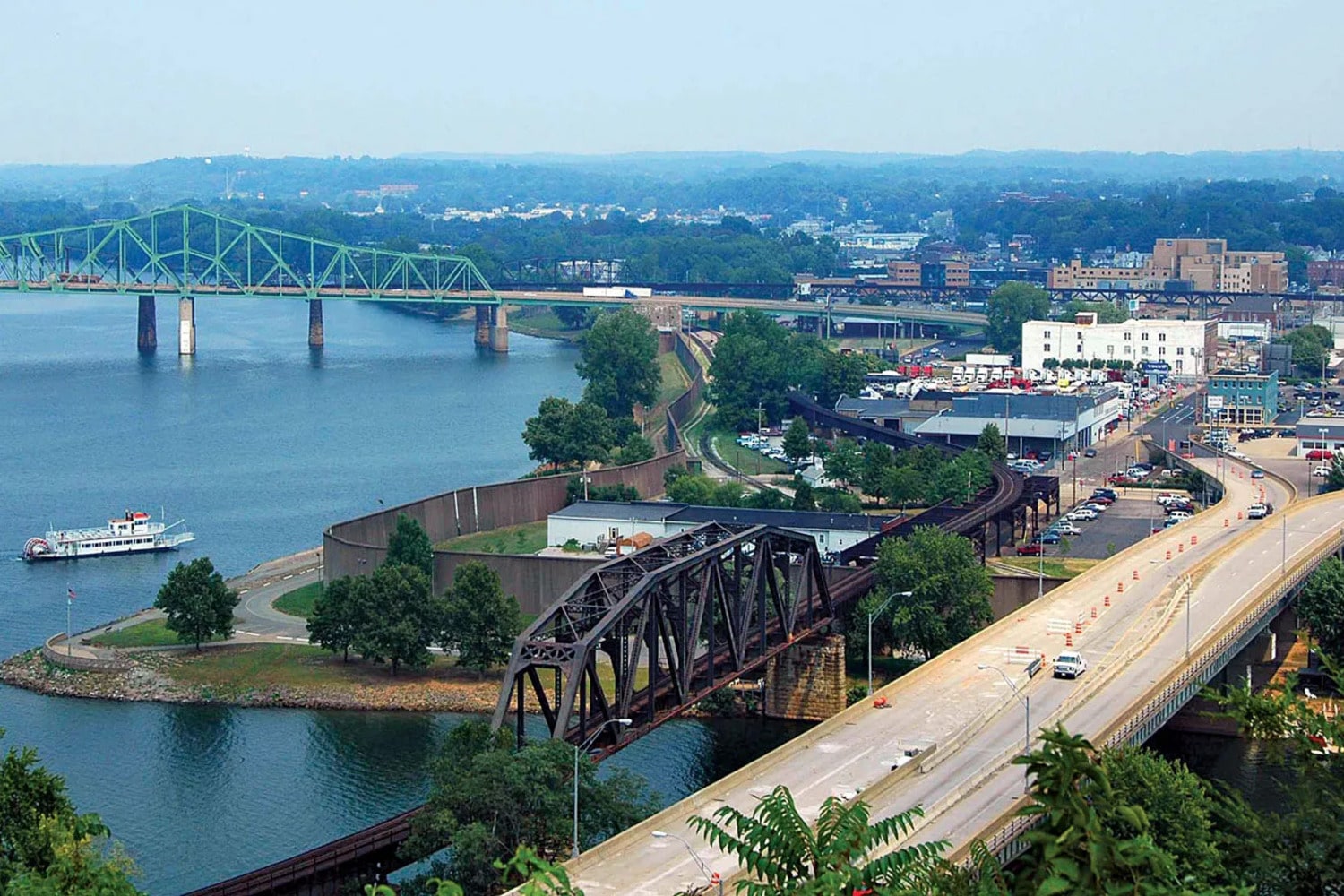
West Virginia often remains outside the main tourist routes, even though it is a state with a strong character and a rich history. Mountain landscapes blend here with deep valleys, and nature plays a central role in everyday life. Many interesting facts about West Virginia are connected not only with geography, but also with historical events, culture, and local traditions. There are truly fascinating facts that can surprise even people who know the United States well. You may not know how unique this state’s place is in American history.
- West Virginia is one of the few US states that was created as a result of an internal division. It separated from Virginia during the American Civil War. The split was driven by political and economic differences between the mountainous regions and the eastern part of the state. In 1863, a new state with its own identity officially emerged.
- The state is widely known by the nickname the Mountain State. Most of its territory is covered by the Appalachian Mountains and rolling hills. Completely flat land is extremely rare here. The rugged terrain strongly influenced settlement patterns and everyday life.
- West Virginia is among the most heavily forested states in the United States. Forests cover more than two thirds of its total area. Large stretches of wild and relatively untouched nature have been preserved. This makes the state an important center of biodiversity.
- One of the oldest mountain systems on Earth is located within the state. The Appalachian Mountains are much older than the Rocky Mountains. Millions of years of erosion have given them their rounded and gentle shapes. These mountains hold great geological and scientific significance.
- West Virginia played a major role in the development of the American coal industry. For decades, coal mining was the backbone of the state’s economy. The hard work of miners shaped a distinct culture and strong community values. At the same time, the industry created serious social and environmental challenges.
- The state has one of the lowest population densities in the eastern United States. Many areas remain sparsely populated. This creates a strong sense of space and quiet. For people who value nature, such conditions are especially appealing.
- West Virginia does not have any large metropolitan cities. Even its biggest cities remain relatively small in size. Urban life here is closely connected to the surrounding natural environment. This results in a calm and unhurried daily rhythm.
- The state is known for its many natural parks and protected areas. Hiking, whitewater rafting, and rock climbing are especially popular activities. Nature-based tourism plays an important role in the local economy. Fascinating facts about West Virginia often begin with its landscapes.
- Rivers have always played an important role in the life of the state. In the past, they served as major transportation routes. Today, rivers are widely used for recreation and water sports. These waterways attract visitors from across the country.
- West Virginia has a rich folklore heritage. Musical traditions are closely connected with country and bluegrass music. Folk songs often tell stories about mountain life and daily labor. Music remains a key part of the state’s cultural identity.
- The region is well known for its legends and mysterious stories. In mountainous areas, tales of unexplained phenomena and strange creatures are common. These stories are passed down from generation to generation. They have become an enduring part of local folklore.
- West Virginia features a unique system of bridges spanning deep gorges and valleys. Some of these bridges are considered outstanding engineering achievements. They greatly improved connections between previously isolated communities. Over time, many of them became iconic tourist landmarks.
- The educational system in West Virginia is closely aligned with regional needs. Programs related to natural sciences and technical fields are actively developed. Universities play an important role in supporting local communities. They also help encourage young people to stay in the region.
- Strong traditions of community life are deeply rooted in the state. Small towns and rural areas are characterized by close social ties. People often know each other personally. This creates an atmosphere of mutual support and trust.
- West Virginia faces significant demographic challenges. Some residents leave the state in search of employment opportunities. At the same time, interest in remote work is growing. This trend opens new possibilities for regional development.
- The state plays an important role in discussions about the protection of natural resources. Efforts are being made to balance economic growth with environmental responsibility. Conservation initiatives are gradually gaining strength. This is shaping a new vision for the future of West Virginia.
- The climate of West Virginia varies noticeably depending on elevation. Mountain areas experience colder winters and cooler summers. Valleys tend to have milder conditions. This diversity influences agriculture and everyday life.
- West Virginia has made a meaningful contribution to key moments in US history. Its residents took part in the country’s industrial growth. The state was also the birthplace of important labor rights movements. These factors give the region lasting historical significance.
West Virginia emerges as a region with a deep character and a complex past. Interesting facts about the state show how nature, history, and people have shaped a unique community. Incredible facts and fascinating details help reveal it not as a remote corner, but as a distinctive and rich world of its own. If you look more closely, you may discover just how diverse and meaningful West Virginia truly is.


