
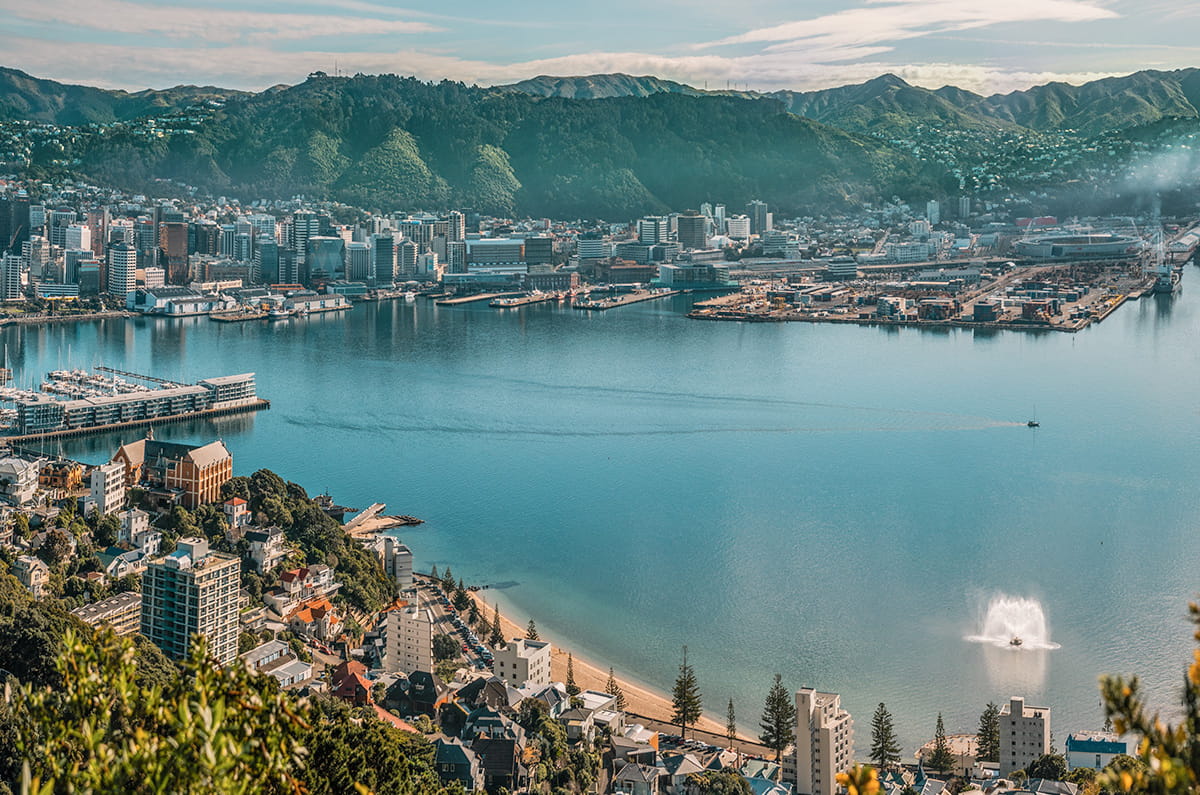
Wellington is often called one of the most charming and creative cities in the world although many people do not even suspect where exactly it is located. This capital of New Zealand amazes with its unique geography cultural diversity and incredible energy. You might not know that this city has a rich history and modern achievements that deserve the attention of every traveler. In this collection we will examine fascinating facts that will reveal the true essence of Wellington. These incredible facts will change your perception of this amazing city at the edge of the world.
- Wellington is located on the southern coast of the North Island and surrounded by a picturesque natural harbor. This city stands on hills which creates unique landscapes and interesting routes for walking tours. The geographical location makes it an ideal port for sea voyages and trade routes. Many residents use ferries for daily trips between different parts of the region.
- The city is known as one of the windiest capitals in the entire world due to its location between mountains and sea. The average wind speed here often exceeds twenty kilometers per hour which affects daily life. Local residents joke that umbrellas in Wellington live no longer than one season. The wind also helps maintain clean air and comfortable temperature even in summer months.
- Wellington became world famous thanks to the Weta Workshop film studio and the filming of the epic Lord of the Rings trilogy. It was here that unique special effects and miniatures were created which amazed viewers around the world. Cinema fans can visit special tours that show the behind the scenes of creating legendary films. This turned the city into an important center of world cinema and attracted thousands of tourists.
- The national museum Te Papa Tongarewa is one of the most modern and interactive museums in the southern hemisphere. Exhibitions tell about Maori culture the natural wealth of the country and the history of island settlement. Visitors can touch exhibits participate in virtual travels and learn about earthquakes. Entry to the main halls of the museum is free which makes it accessible to all segments of the population.
- The historic cable funicular has been operating in the city since nineteen hundred and two and still remains a popular transport. It lifts passengers from the city center to botanical gardens offering panoramic views of the harbor. The carriages have been modernized but retained their vintage charm and historical value for residents. This attraction is a must visit for everyone who comes to Wellington for the first time.
- The beehive shaped parliament building has become the architectural calling card of the city and a symbol of New Zealand democracy. Its unusual round shape was chosen for better natural lighting and efficiency of interior space. Tours of this building allow tourists to see how the country government works from the inside. The architectural style combines modern materials with traditional Maori motifs which makes it unique.
- Wellington is considered the coffee capital of New Zealand where you can find a high level cafe at every step. Local residents take the quality of beans and barista mastery in preparing drinks very seriously. The cafe culture here develops in parallel with art and music creating a special atmosphere for communication. Many establishments offer their own roasting of beans which guarantees freshness and rich taste of each cup.
- The indigenous Maori people call this place Te Whanganui a Tara or land on the wind which reflects its character. Maori legends tell about how the demigod Maui raised these lands from the sea depths with his magic hook. The modern city honors this heritage through street names parks and official institutions in two languages. Learning the Maori language and culture is an important part of the educational program in regional schools.
- The region often experiences earthquakes due to its location on the boundary of Pacific Ocean tectonic plates. Building codes here are among the strictest in the world to ensure resident safety during tremors. Engineers use innovative seismic resistance technologies when designing new skyscrapers and residential complexes. Historical buildings are also strengthened with special structures to preserve architectural heritage for future generations.
- The compact city center allows walking to most attractions within fifteen minutes from any point. This promotes the development of pedestrian tourism and reduces dependence on automobile transport in daily life. Streets are decorated with street art graffiti and installations which turns walks into a real art exhibition. City authorities support initiatives for creating pedestrian zones and bike paths for resident comfort.
- The Zealandia sanctuary is a unique ecological project aimed at restoring local flora and fauna within the city. The fenced territory protects rare birds and reptiles from predators which allows them to breed freely. Visitors can observe kiwis and other endemic species in their natural habitat. This project has become a model for similar nature conservation initiatives in other cities around the world.
- The sports culture of the city is closely connected with rugby and football and local teams have devoted fans throughout the country. Wellington stadiums regularly host international competitions and cultural events that unite thousands of people. The successes of New Zealand athletes inspire young people to play sports and lead a healthy lifestyle. The city infrastructure includes many modern sports facilities that are available to everyone.
- Wellington climate is characterized by moderate temperatures and absence of extreme cold or heat throughout the year. Winters here are mild and summer is cool thanks to the influence of ocean currents surrounding the island. Such weather promotes year round vegetation growth and creates comfortable conditions for active outdoor recreation. Tourists often note that weather here can change several times a day so it is worth having different clothes with you.
- Wellington city library is one of the most modern in the southern hemisphere and offers wide access to digital resources. The library building has an energy efficient design and comfortable spaces for learning work and visitor relaxation. Collections include rare books by local authors and archival materials on the history of Pacific region settlement. Free access to internet and computers makes the library an important education center for all population segments.
- Arts and music festivals take place in the city throughout the year attracting performers from different corners of the planet. Street performances open air concerts and exhibitions create an incomparable creative atmosphere in the center. Local authorities support young artists and musicians providing them with performance venues and financial assistance. These events make Wellington a living cultural center that never sleeps and is always ready to celebrate.
These fascinating facts demonstrate how diverse and dynamic life is in this unique capital at the edge of the world. You might not know that Wellington combines the rich history of indigenous peoples and advanced technologies of modernity. We hope this information will inspire you to learn more about New Zealand or even plan a trip there. These interesting facts open new horizons for understanding the culture and nature of this amazing region.


