
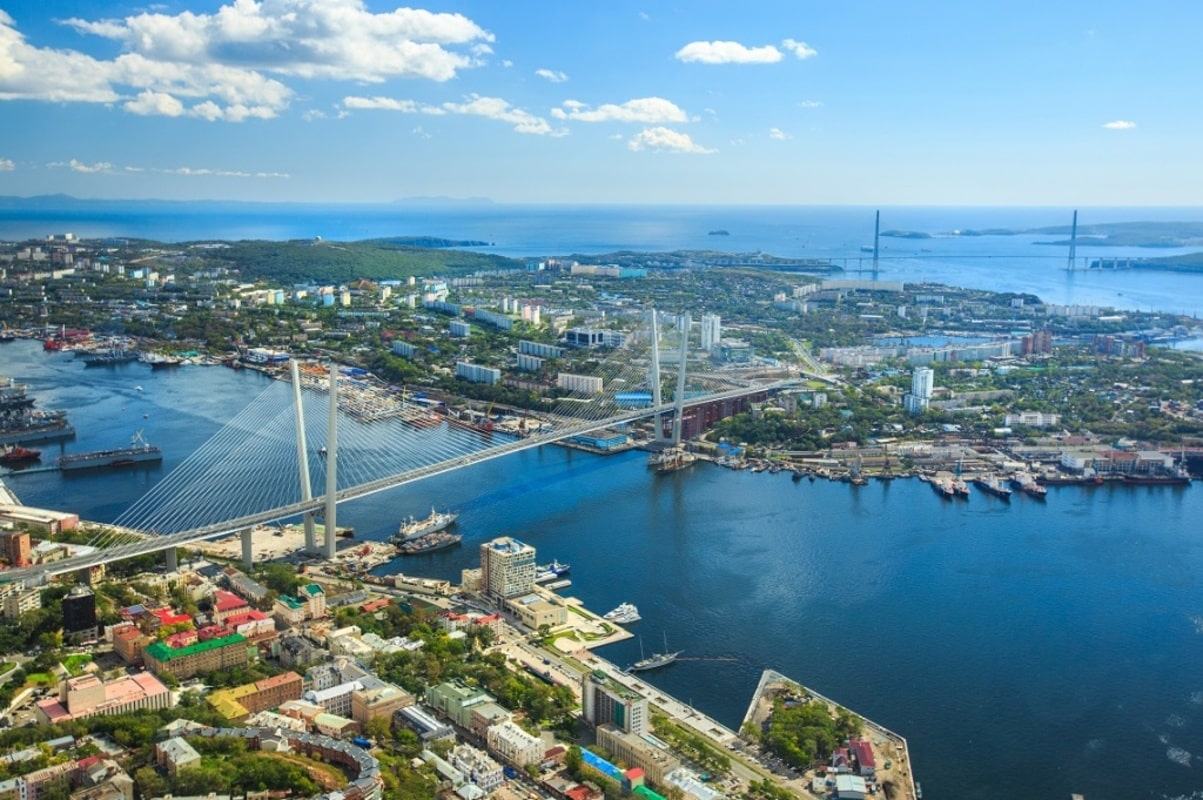
Vladivostok is often described as a city at the edge of the world, where the Eurasian continent meets the vast waters of the Pacific Ocean. It is a city of contrasts, with narrow bays, steep hills, dense fogs and panoramic views that cannot be confused with any other place. The city combines the rhythm of Asian life with European architectural influences, creating an atmosphere that many travellers consider unique and unforgettable. In this article you will find interesting facts you may not have known, helping you better understand the history, nature and character of Vladivostok. These fascinating details reveal the city from an unexpected angle.
- Vladivostok was founded in 1860 as a military outpost in the Far East. The location held great strategic importance because it provided direct access to the Pacific Ocean. Thanks to this advantage the settlement quickly developed into a significant port and administrative centre. The name Vladivostok means ruling the East.
- One of the city’s most famous features is the fog, which can cover Vladivostok for a large part of the year. It forms when cold sea currents meet warm air. At times the fog becomes so thick that visibility drops to just a few metres. Many tourists come specifically during the foggy season to experience this mysterious atmosphere.
- Vladivostok is built on more than forty hills, which is why it is often compared to San Francisco. The streets rise steeply, and many buildings seem to cling to the slopes. Walking through the city often feels like hiking due to the constant changes in elevation. This terrain shapes the daily life and transport system of the city.
- The city is famous for its bridges, the most iconic of which is the Golden Bridge stretching across the Golden Horn Bay. It is considered one of the most beautiful cable-stayed bridges in the world. The structure blends harmoniously with the surrounding landscape. From the bridge visitors can enjoy one of the most impressive views of Vladivostok.
- Vladivostok is the final station of the legendary Trans-Siberian Railway, which spans more than nine thousand kilometres. It is the longest railway line on the planet. Travellers from around the world journey along this route to experience the vastness of the country. Reaching Vladivostok marks the symbolic end of the Eurasian continent.
- Although the city is located in the Far East, its architecture preserves clear European influences. Many historical buildings represent Art Nouveau, eclectic and neoclassical styles. A large number of them were designed by foreign architects. The city looks like a blend of Asian energy and European elegance.
- The natural environment around Vladivostok is exceptional, as the city lies between the taiga, the sea and mountainous landscapes. Rare species such as Amur tigers live in the surrounding forests. The region is known for its high level of biodiversity. The proximity of wild nature strongly shapes the city’s ecological image.
- On Russky Island you can find one of the largest oceanariums in the world. It serves scientific, educational and conservation purposes. Thousands of marine species live there in environments that closely resemble their natural habitats. The oceanarium has become one of the main tourist attractions of the region.
- The city is surrounded by numerous bays, and the Golden Horn is the most famous among them. Its shape resembles the bay of San Francisco. This natural formation provided ideal conditions for the development of the port. Today the Golden Horn is one of the main symbols of Vladivostok.
- Vladivostok’s climate combines monsoon and maritime characteristics. Summers are warm and rainy, while winters are cold and dry. Strong winds from the sea influence temperature and precipitation. This makes the local climate unpredictable and often harsh.
- Streets in the city are filled with Japanese cars, which has become one of Vladivostok’s unique features. This is due to the geographical proximity of Japan and the widespread import of used vehicles. Many cars have right-hand steering wheels. As a result the city has a distinctive driving culture rarely seen elsewhere.
- Vladivostok’s seafood cuisine is one of its culinary treasures. Locals enjoy sea cucumbers, scallops, crabs and squid. The cuisine blends Asian and European flavours into unique dishes. This makes the city an appealing destination for food tourism.
- Russky Island is home to one of the most picturesque university campuses in the region — the Far Eastern Federal University. It is situated on the seashore and combines modern architecture with scenic landscapes. Thousands of students arrive here every year. The campus has become a symbol of the city’s new development.
- Vladivostok has a long history of fortifications due to its military significance. The Vladivostok Fortress is considered one of the strongest defensive complexes of the early twentieth century. Its underground tunnels and fortifications have survived to this day. It is a popular destination for guided tours.
- The city offers numerous viewpoints overlooking the bridges and bays. The most famous panorama is the view of the Golden Bridge, especially at night. The lights create an effect of a glowing ribbon stretching over the water. It is one of the most romantic spots in Vladivostok.
These interesting facts about Vladivostok highlight how unique and multifaceted the city truly is. You may not have known that Asian and European influences intertwine here so naturally, or that the city balances both history and modern development. Vladivostok continues to impress visitors with its contrasts, nature and maritime spirit. It remains one of the most distinctive urban centres of the Far East.


