
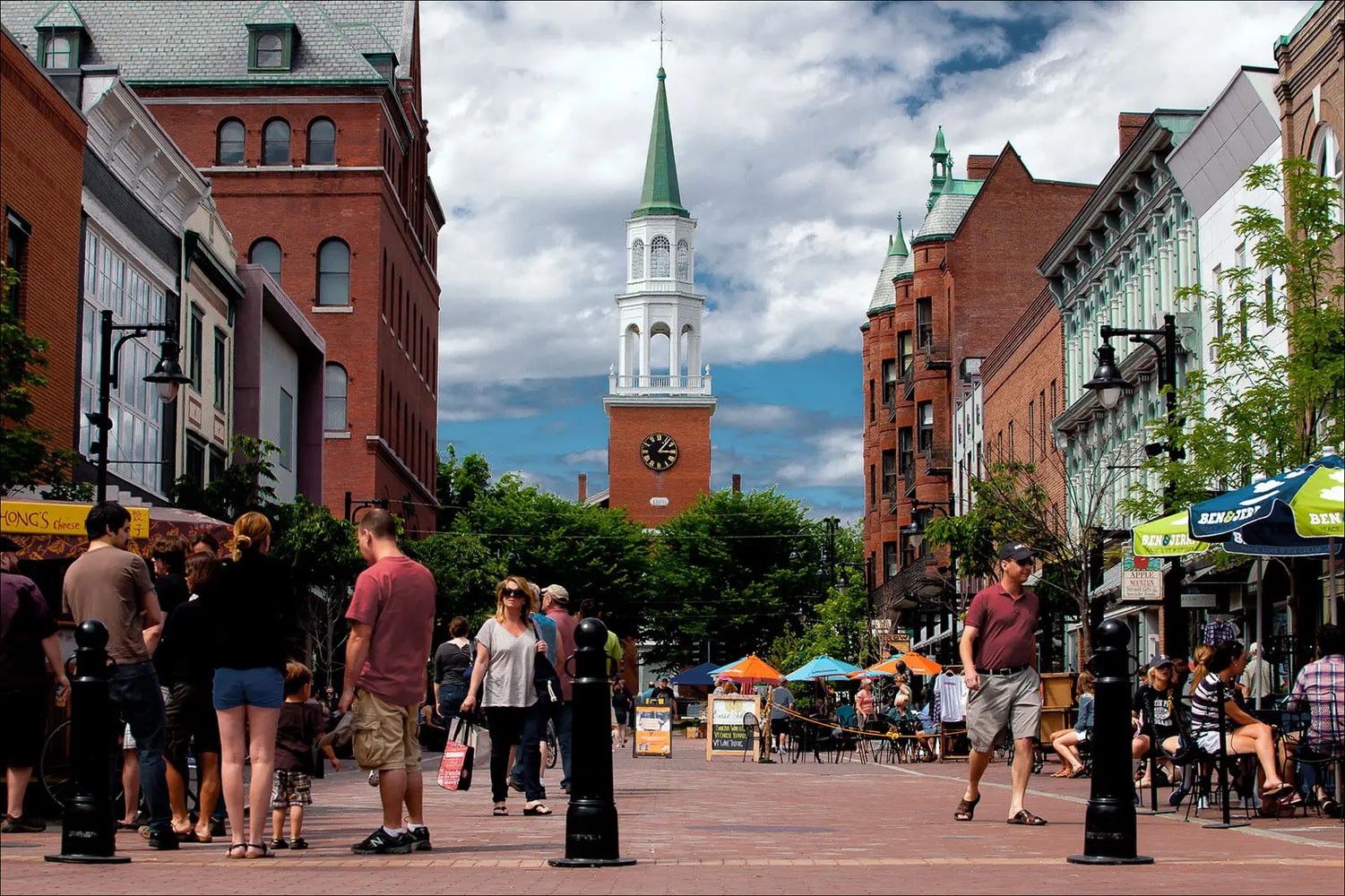
Vermont is often regarded as one of the most picturesque states in the United States, yet behind its calm landscapes lies a wealth of interesting facts you may not know. This small state is famous for its mountains, nature, and unique history, which helped shape the independent spirit of its residents. Vermont blends the heritage of Indigenous peoples, French explorers, and British settlers, creating a rich cultural tapestry. It is also known for progressive legislation, environmental initiatives, and strong agricultural traditions. These captivating facts about Vermont reveal the state’s natural beauty, historical depth, and cultural identity.
- Vermont was the only one of the thirteen American colonies that did not sign the Declaration of Independence because it was not part of the United States at that time. The region proclaimed itself the independent Republic of Vermont and adopted its own constitution. For fourteen years it existed as a sovereign state before joining the Union.
- The Constitution of the Republic of Vermont was considered one of the most progressive documents of its era. It banned slavery, making Vermont the first territory in North America to officially abolish the practice. The constitution also guaranteed property rights and access to education.
- The name Vermont derives from a French term meaning a green mountain. French explorers chose this name after noticing the region’s lush green mountain ranges. The name accurately reflects the state’s natural character.
- The Green Mountains form a range stretching from north to south across Vermont and influence its climate, ecosystems, and traditional way of life. The region is home to numerous hiking trails, ski resorts, and protected natural areas. These mountains have become both a symbol of the state and a foundation of its tourism economy.
- Vermont is the leading producer of maple syrup in the United States, contributing nearly half of the nation’s supply. The tradition of making syrup dates back to Indigenous peoples who first learned how to collect and boil maple sap. Maple production remains a central part of Vermont’s culture and tourism.
- The state has one of the lowest levels of urbanization in the country, with large areas covered by forests and farmland. Small towns and rural communities define its relaxed and peaceful lifestyle. This rural character creates a distinctive sense of comfort and closeness to nature.
- Vermont became the first U.S. state to legalize civil unions for same-sex couples. This decision was made long before same-sex marriage was legalized at the federal level. The move strengthened Vermont’s reputation as a socially progressive state.
- One of the world’s most iconic ice cream brands, Ben & Jerry’s, was founded in Vermont. The company began as a small, local venture created by two friends with minimal culinary training. Today it is known not only for its distinctive flavors but also for its active engagement in social causes.
- Vermont is considered one of the safest states in the U.S. thanks to its remarkably low crime rate. Local communities are characterized by high levels of trust and cooperation. This contributes to the preservation of small-town traditions and overall social stability.
- Vermont has no cities with a population exceeding fifty thousand residents. Even its largest city, Burlington, remains small by American standards. The absence of large metropolitan centers gives the state a particularly welcoming and tranquil atmosphere.
- Hardy Welsh, an inventor from Vermont, was one of the early American engineers experimenting with electric motors. His pioneering work helped advance early electric transportation. He also promoted electric bicycles long before they gained widespread popularity.
- Unlike many state capitol buildings with gilded domes, the Vermont State House features a modest classical architectural style. Its simplicity reflects the democratic and understated aesthetic of the region. This design has become one of the architectural signatures of the state.
- Vermont is known for its environmental consciousness and efforts to expand renewable energy use. Residents actively adopt solar energy, support small wind power projects, and participate in energy-efficiency programs. These initiatives help position Vermont as a leader in sustainable development.
- The University of Vermont, founded in the eighteenth century, is one of the oldest universities in the United States. It is recognized for its research in medicine, biology, and environmental sciences. The institution also plays a significant role in promoting sustainability and ecological studies.
- Vermont was among the first states to ban single-use plastic bags. This environmental measure aims to reduce waste and protect natural ecosystems. The initiative has inspired similar legislation in other states.
- The state is known for its historic abandoned railway lines that have been transformed into scenic cycling and walking trails. These green corridors combine natural landscapes with elements of industrial heritage. They offer unique opportunities for eco-tourism and outdoor recreation.
- Despite the fact that Vermont does not require firearms to be registered, it maintains one of the lowest rates of violent crime in the country. Residents emphasize a culture of responsibility and mutual trust. This social model is often studied by experts in public safety.
- Vermont’s agricultural culture places strong emphasis on small farms and organic practices. Many farms use natural growing methods and supply local markets with fresh produce. This strengthens the local economy and fosters close connections between producers and consumers.
- Vermont’s autumn landscapes are considered among the most beautiful in the world due to their vibrant leaf colors. Forests of maple, birch, and oak trees create stunning golden and red panoramas. The fall season has become an important part of the state’s tourism industry.
These remarkable facts showcase Vermont as a state with a unique blend of natural splendor, historical individuality, and forward-thinking values. Many interesting facts help explain why the region attracts tourists, researchers, and those seeking a peaceful, environmentally mindful lifestyle. Vermont maintains an authentic atmosphere while embracing modern challenges with confidence. Exploring the state leaves a lasting impression of harmony and inspiration that draws visitors back again and again.


