
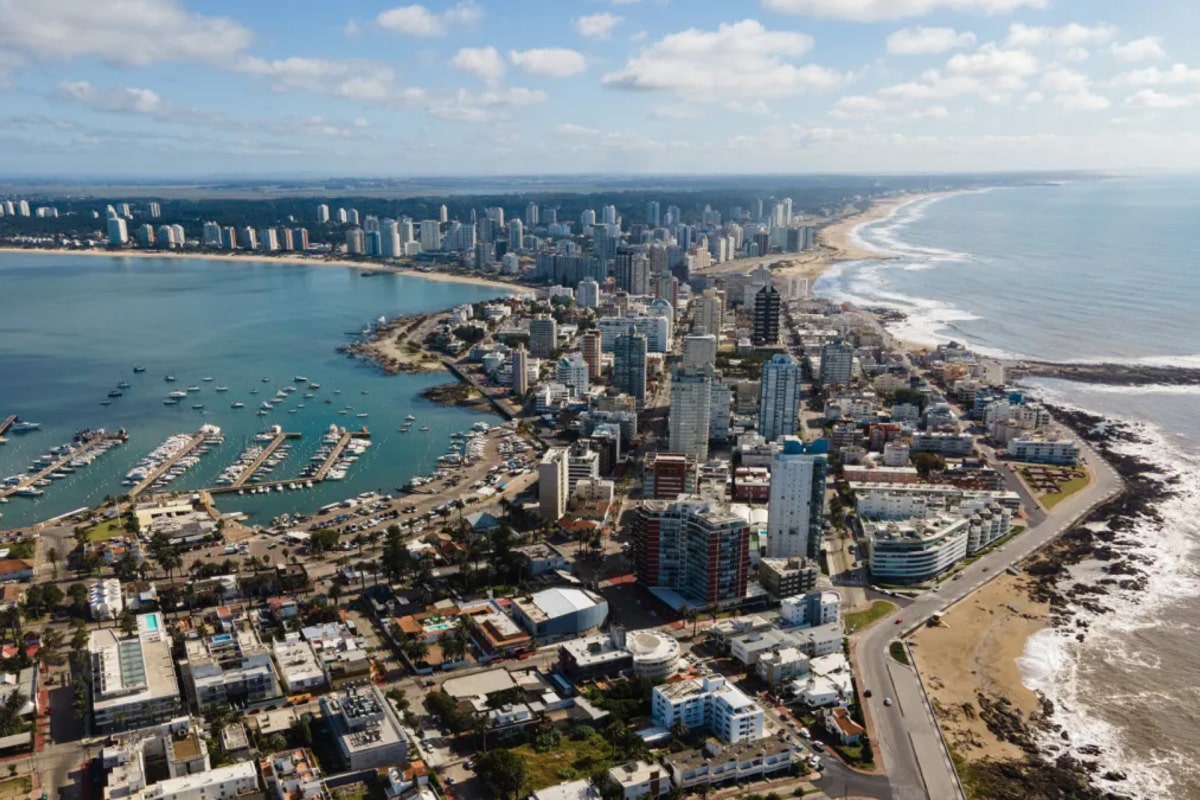
Uruguay often remains in the shadow of larger and more famous South American countries, yet this is exactly what gives it a unique charm. It is a nation with a calm pace of life, strong democratic traditions, and a surprisingly progressive approach to social issues. Interesting facts about Uruguay reveal a country shaped by bold public policies, a clear cultural identity, and a close relationship with nature. Here, fascinating facts combine a colonial past with a modern understanding of freedom and well-being. You may not have known that in many areas Uruguay has moved ahead of much larger nations.
- Uruguay is one of the smallest countries in South America by land area. Despite its size, it enjoys a well-developed infrastructure and a high standard of living. The compact nature of the country makes travel between regions relatively easy. Most of the population lives in urban areas.
- The population of Uruguay is highly urbanized. A significant share of residents live in the capital city and its surrounding areas. This creates a strong economic and cultural center. At the same time, rural regions continue to preserve traditional ways of life.
- Uruguay is regarded as one of the most democratic countries in the region. Its public institutions function in a stable and consistent manner. The political system is based on transparency and active civic participation. This contributes to a high level of public trust in government.
- The country is known for its progressive social legislation. Uruguay was among the first in the world to introduce several bold reforms. These reforms focused on human rights and personal freedoms. As a result, the country became a reference point for others.
- Education in Uruguay is free and widely accessible. The state invests heavily in educational programs. Literacy rates are exceptionally high. An educated population has become a key foundation of national development.
- Uruguay has a long tradition of cattle farming. Meat plays an important role in the national cuisine. Preparing food together over open fire is a social ritual. It represents not just eating, but shared community life.
- The natural landscape of Uruguay is predominantly flat. Mountainous regions are almost entirely absent. This type of terrain supports agriculture and livestock farming. The country is famous for its green pastures.
- Uruguay has a mild and comfortable climate. Extreme temperatures are rare. Seasonal changes occur gradually throughout the year. This has a positive effect on both public health and agricultural production.
- The Atlantic Ocean coastline plays an important role in the country’s lifestyle. Beaches attract both tourists and local residents. Resort towns are known for their relaxed atmosphere. Leisure activities are closely connected with nature.
- Uruguayans place strong value on work-life balance. Free time and family relationships are highly appreciated. This lifestyle helps reduce stress levels. It positively influences overall social well-being.
- Football holds a special place in Uruguayan culture. The sport is a core part of national identity. It brings together people of different generations. Football is regarded as a form of cultural heritage.
- Uruguay is known for its extensive use of renewable energy. A large portion of electricity is produced from environmentally friendly sources. This reduces dependence on fossil fuels. The country actively strengthens its energy independence.
- Uruguayan society is characterized by a high level of tolerance. Different viewpoints and lifestyles coexist peacefully. Social conflicts are relatively rare. Respect for individual choice is a key social value.
- Uruguay has a rich history of immigration. People from many parts of the world have settled there. This has influenced culture, traditions, and everyday life. Diversity is clearly visible in society.
- Communication culture in Uruguay is calm and unhurried. People value face-to-face conversations. Social relationships are built on trust. This creates a warm and open social atmosphere.
- Cities in Uruguay are considered relatively safe. Crime rates are lower than in many neighboring countries. This makes the country attractive for living and relocation. A sense of calm is part of daily life.
- The state places strong emphasis on environmental protection. Natural resources are used carefully and responsibly. Uruguay aims to preserve its ecosystems. This is part of a long-term development strategy.
- Uruguay has a clearly defined national identity. It combines European and Latin American influences. Citizens take pride in their country. Patriotism is present, but expressed in a calm and balanced way.
- The pace of life in Uruguay is often described as relaxed. Urgency and constant haste are not dominant traits. People strive to live in harmony with their surroundings. This creates a distinctive quality of life.
Uruguay demonstrates how a small country can achieve impressive results through thoughtful policies and strong values. Its fascinating facts show that stability and progress do not always depend on size or natural resources. You may not have realized how diverse and modern this part of South America truly is. Interesting facts about Uruguay highlight that a nation’s true strength often lies in its people and social balance.


