
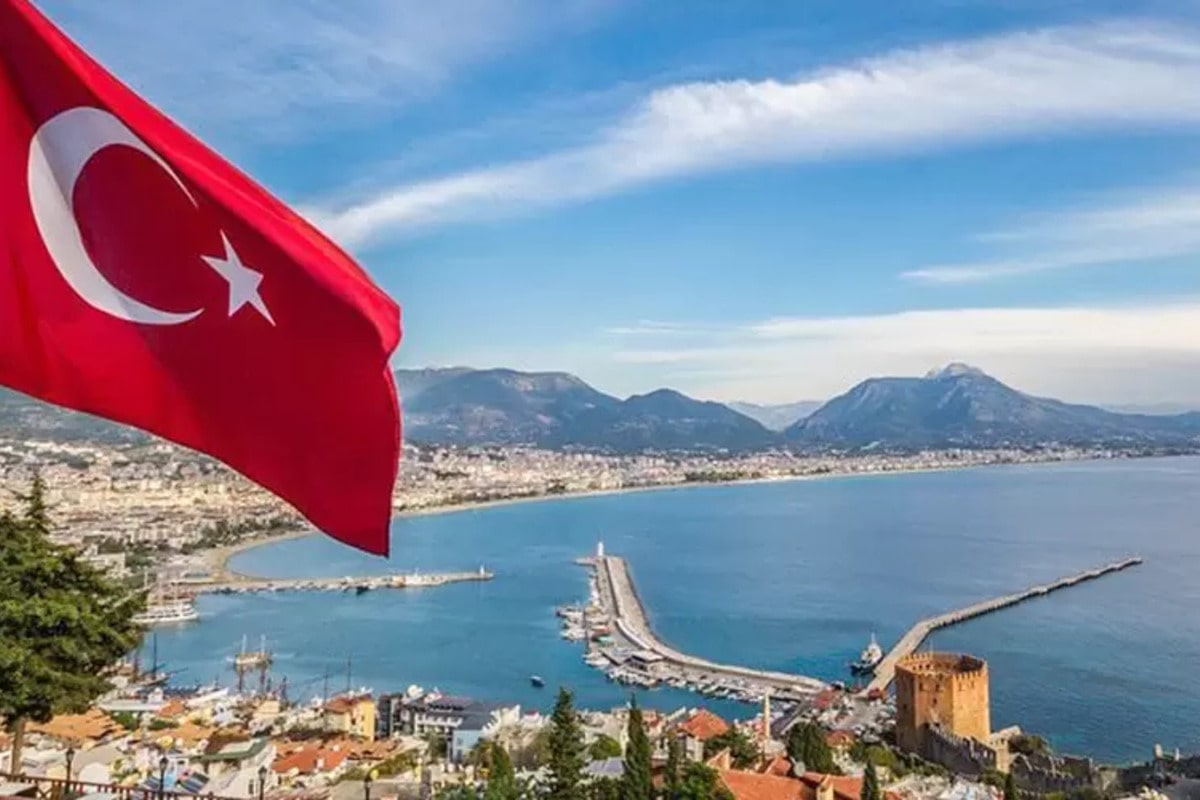
Turkey attracts travelers with a unique blend of ancient traditions and modern lifestyles. In this country, legends, natural wonders, and historical events intertwine, creating a distinctive atmosphere. Readers can discover fascinating facts they may not have known and gain a deeper understanding of local culture and everyday life. Such interesting insights allow people to view Turkey from a fresh perspective and appreciate its remarkable diversity.
- The country is situated at the crossroads of Europe and Asia, which has significantly shaped its culture and way of life. This geographic position made it an important point along major trade routes throughout many eras. Numerous civilizations passed through the region, leaving behind architectural monuments and cultural heritage.
- Istanbul is the only metropolis in the world that spans two continents simultaneously. Its districts combine modern areas with ancient structures, creating a striking contrast. The city impresses with the harmony between historical eras and contemporary elements.
- Mount Ararat is considered one of Turkey’s national symbols and is mentioned in many ancient sources. Its massive form dominates the surrounding landscape and inspires admiration. Researchers continue to study its historical and cultural importance.
- Cappadocia is famous for its unusual geological formations created by ancient volcanic activity. Wind and natural erosion sculpted unique cone-shaped structures over centuries, making the region resemble an otherworldly landscape. Today, it is one of the most popular tourist destinations, where hundreds of hot air balloons rise into the sky at dawn.
- Turkey is the birthplace of tulips, although many associate them with the Netherlands. During the Ottoman Empire, tulips symbolized wealth, refinement, and elegance. This era became known as the Tulip Period in history.
- One of the world’s oldest settlements, Çatalhöyük, is located in Turkey. Its complex structure shows that early inhabitants lived in a well-organized community. Archaeologists uncover frescoes, tools, and remnants of housing that offer valuable insights into ancient societies.
- The ancient city of Ephesus was one of the most important trade centers of the Mediterranean. It was home to magnificent temples, a large theater, and a renowned library admired by people of its time. Exploring Ephesus allows visitors to immerse themselves in the atmosphere of antiquity.
- Turkey is rich in thermal springs, and Pamukkale is the most famous example. Its white travertine terraces were formed over thousands of years by mineral-rich water. Nearby lie the ruins of the ancient city of Hierapolis, adding significant historical value.
- The Saklıkent Canyon is considered one of the deepest in Europe. Its steep cliffs and narrow passages create an impressive natural environment. Travelers can walk along the riverbed and take in the rare and dramatic landscape.
- Turkish cuisine is known for its rich flavors and aromatic spices. Vegetables, meat, fish, and legumes are widely used, and many recipes are passed down from generation to generation. Culinary diversity reflects the influence of various cultures that once thrived in the region.
- Turkish coffee is prepared using a traditional method that has remained unchanged for centuries. It is brewed in a special pot called a cezve, giving the drink a thick texture and strong aroma. The tradition of preparing this coffee is included in UNESCO’s list of intangible cultural heritage.
- Turkey is among the countries with the largest number of archaeological sites. Temples, fortresses, ancient cities, and tombs from different civilizations have been preserved across its territory. As a result, the country is often described as an open-air museum.
- Antalya is a popular resort region where seaside landscapes, mountains, and historical attractions come together. Visitors can enjoy a beach vacation while also exploring ancient ruins. This variety makes the region suitable for all types of travelers.
- Traditional Turkish hammams remain an important cultural element. They create an atmosphere of tranquility that promotes relaxation and rejuvenation. For many visitors, a trip to a hammam becomes a memorable cultural experience.
- Göbekli Tepe is recognized as the oldest temple complex in the world. Giant stone pillars decorated with carvings of animals reveal the symbolic worldview of ancient societies. Its discovery has reshaped modern understanding of early human civilization.
- Turkish carpets are highly valued worldwide for their quality and distinctive patterns. Each region has unique weaving techniques and traditional motifs. These carpets are often treasured as family heirlooms.
- Turkey is home to numerous national parks, including the well-known Göreme National Park. Its scenic valleys, rock formations, and ancient cave churches create an unforgettable atmosphere. This natural and historical diversity makes the region truly enchanting.
- Turkish bazaars are among the most vibrant marketplaces in the world. Visitors can find sweets, spices, ceramics, handicrafts, and many other traditional goods. Walking through these markets offers a glimpse into the lively spirit of eastern trade.
This collection of fascinating facts highlights Turkey’s rich heritage and vibrant character. The country’s nature, traditions, and history shape its unique identity. Each region has its own charm, inspiring travelers to explore more and return for new discoveries.


