
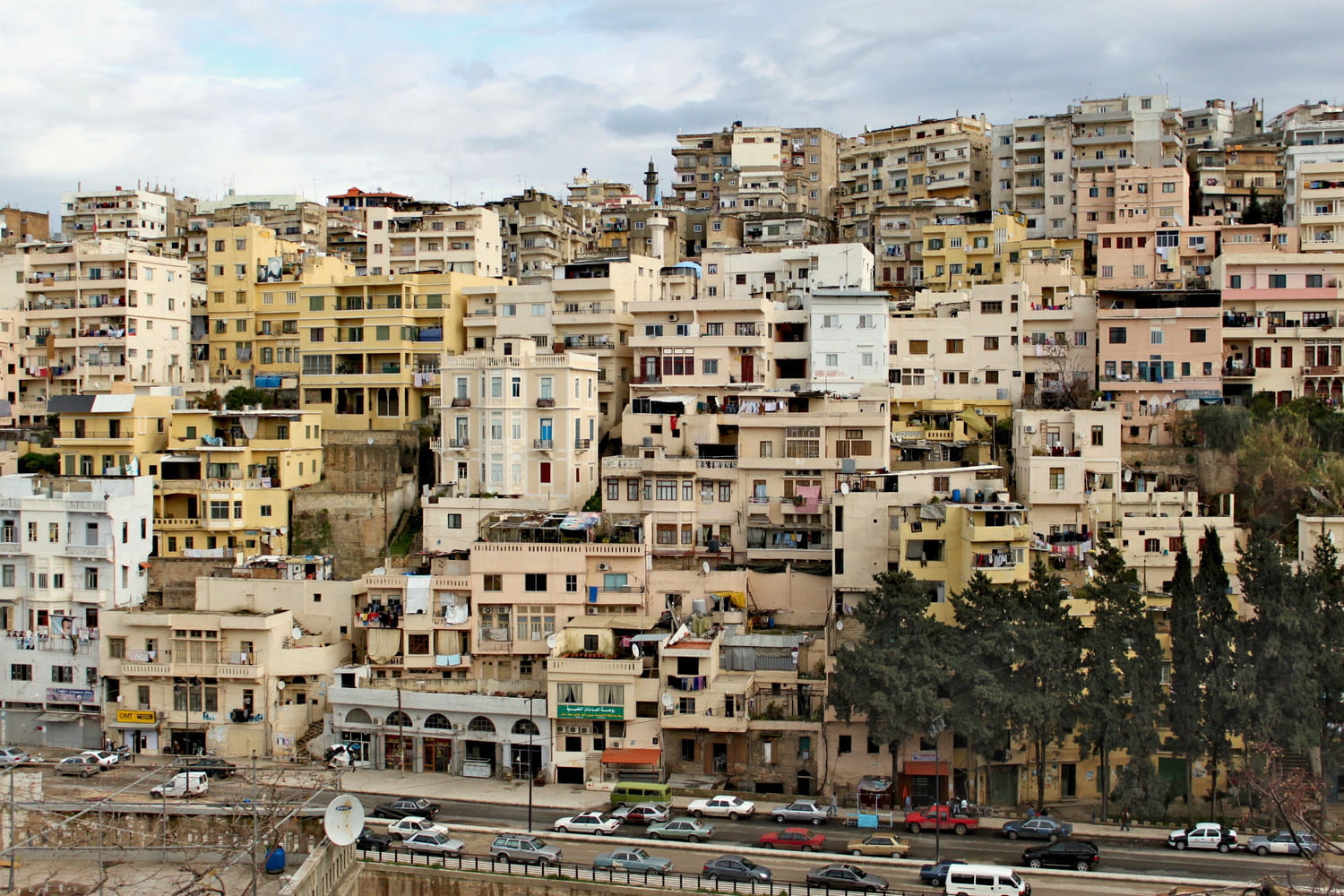
Tripoli is a name that unites two completely different cities in different corners of the world, each with its own unique history and character. One is located on the Mediterranean coast in Libya, while the other is in Lebanon. Both cities can boast a thousand-year history reaching back to deep antiquity. Fascinating facts about these cities reveal incredible pages of human civilization. You may not have known many amazing things about these ancient settlements that still preserve traces of bygone eras.
- The name Tripoli comes from the Greek word “Tripolis,” which means “three cities.” In the case of Libyan Tripoli, these were the ancient Phoenician settlements of Oea, Sabratha, and Leptis Magna. These three cities formed a powerful trading alliance on the coast of North Africa. Over time, the name became attached to the main city of the region.
- Lebanese Tripoli is the second largest city in Lebanon after Beirut. The city is located on the Mediterranean coast approximately 85 kilometers north of the capital. The population of the city together with its suburbs exceeds half a million people. It is an important economic and cultural center of northern Lebanon.
- Libyan Tripoli is the capital and largest city of Libya with a population of over two million residents. The city is located in the northwestern part of the country on the Mediterranean coast. It serves as the main port and economic center of the state. Most government institutions and business structures of the country are concentrated here.
- Ancient Phoenician Tripoli in Libya was founded approximately in the 7th century BCE. Phoenician seafarers chose this location because of its convenient natural harbor. The city quickly became an important trading center on the route between Carthage and Egypt. The Phoenician heritage is still felt in the architectural traditions of the region.
- Lebanese Tripoli is famous for having the largest concentration of Mamluk-era architecture outside of Egypt. The city has preserved over 160 historical monuments from this period. Among them are mosques, madrasas, hammams, and caravanserais from the 13th to 16th centuries. This architectural heritage attracts researchers from around the world.
- The Citadel of Raymond de Saint-Gilles in Lebanese Tripoli was built by the Crusaders at the beginning of the 12th century. The fortress was named after the Count of Toulouse, who led the siege of the city. The building underwent numerous reconstructions during the Mamluk and Ottoman periods. Today it is one of the main tourist attractions of the city.
- Libyan Tripoli was an important center of the slave trade in the Mediterranean for several centuries. Barbary pirates used the city as a base for their operations. Captured Europeans were sold at the slave markets of the city. This practice continued until the 19th century, when European powers put an end to it.
- The old medina of Libyan Tripoli is included on the tentative list of UNESCO World Heritage Sites. Its labyrinth of narrow streets preserves the atmosphere of the Ottoman period. Here one can see traditional markets, mosques, and residential buildings from the 17th to 19th centuries. The medina remains a living historical district where local residents still live.
- Lebanese Tripoli is known for producing the finest olive oil soap in the Middle East. The tradition of soap making in the city spans more than 500 years. Local craftsmen still use ancient recipes and production methods. Tripoli soap is exported to many countries around the world.
- The Al-Mansouri Mosque in Lebanese Tripoli is the largest mosque in the city and one of the oldest in Lebanon. It was built in 1294 by order of the Mamluk Sultan Qalawun. The building was constructed on the site of the former Church of Saint Mary of the Crusaders. The mosque is known for its majestic minaret and spacious prayer hall.
- Libyan Tripoli survived an American naval blockade and bombardment in 1804-1805. This conflict is known as the First Barbary War. The Americans fought against piracy and protected their merchant ships. This event is immortalized in the hymn of the United States Marine Corps with the phrase “to the shores of Tripoli.”
- Lebanese Tripoli has a unique ancient bazaar called Khan al-Sabun. This covered market from the 16th century specialized in selling soap and perfumes. The architecture of the khan is an excellent example of Ottoman commercial construction. Today, shops with traditional goods continue to operate here.
- Libyan Tripoli received the status of capital of the Italian colony of Libya in 1911. The Italians carried out large-scale modernization of the city, building new districts in European style. Many buildings from the colonial era have survived to this day. The architectural heritage of this period gives the city a distinctive appearance.
- Lebanese Tripoli is famous for its traditional sweets, especially halawat al-jibn. This dish consists of rolls made from cheese dough with a filling of whipped cream. The recipe is passed down from generation to generation by local confectioners. Sweets from Tripoli are considered the best in all of Lebanon.
- The ancient city of Leptis Magna near Libyan Tripoli is one of the best-preserved Roman cities in the world. The ruins include a majestic amphitheater, thermal baths, and the triumphal arch of Septimius Severus. This Roman emperor was born right here in 145 CE. Leptis Magna is inscribed on the UNESCO World Heritage List.
- The Abu Ali River flows through the center of Lebanese Tripoli, dividing the city into two parts. On its banks are located the oldest districts of the city and historical monuments. The river was an important source of water for city gardens and soap-making workshops. Bridges across the river connect various historical districts.
- Libyan Tripoli has the largest port in the country, which handles more than 70 percent of the state’s maritime trade. The port was modernized throughout the 20th century to accommodate large vessels. Oil is exported through it and consumer goods are imported. It remains vitally important for the country’s economy.
- Lebanese Tripoli is known for Palm Islands located several kilometers from the shore. This small island is a nature reserve with unique flora and fauna. Rare species of seabirds nest here. The island also has remains of ancient Crusader structures.
- The climate of Libyan Tripoli is typically Mediterranean with hot dry summers and mild winters. The average temperature in summer reaches 30-35 degrees Celsius. Precipitation falls mainly from November to March. The city receives approximately 350 millimeters of rainfall per year.
- Lebanese Tripoli was an important cultural center during the Ottoman Empire. Famous poets, scholars, and theologians worked here. The city had numerous madrasas and libraries. The educational traditions of Tripoli influenced the entire eastern Mediterranean region.
- The Archaeological Museum of the Red Castle in Libyan Tripoli is the largest museum in the country. It is located in the Assaraya al-Hamra fortress built in the 16th century. The museum collection covers artifacts from prehistoric times to the Ottoman period. Unique Roman mosaics and sculptures are preserved here.
- Lebanese Tripoli has more than 300 mosques from various eras and architectural styles. This makes the city a true open-air museum of Islamic architecture. The oldest mosques date back to the 12th-13th centuries. Each of them has unique architectural features and history.
- Libyan Tripoli was a venue for numerous international fairs during the Gaddafi regime. The fair complex hosted exhibitors from dozens of countries. These events served as a window to the outside world for the isolated country. The tradition of fairs is being revived after the stabilization of the situation in the country.
Incredible facts about two cities with the same name demonstrate the richness of world history and culture. Tripoli in Libya and Lebanon developed along different paths, but both have preserved the priceless heritage of past civilizations. These cities continue to attract travelers and researchers with their mysteries. Learning about their history opens new horizons for understanding Mediterranean culture and human civilization as a whole.


