
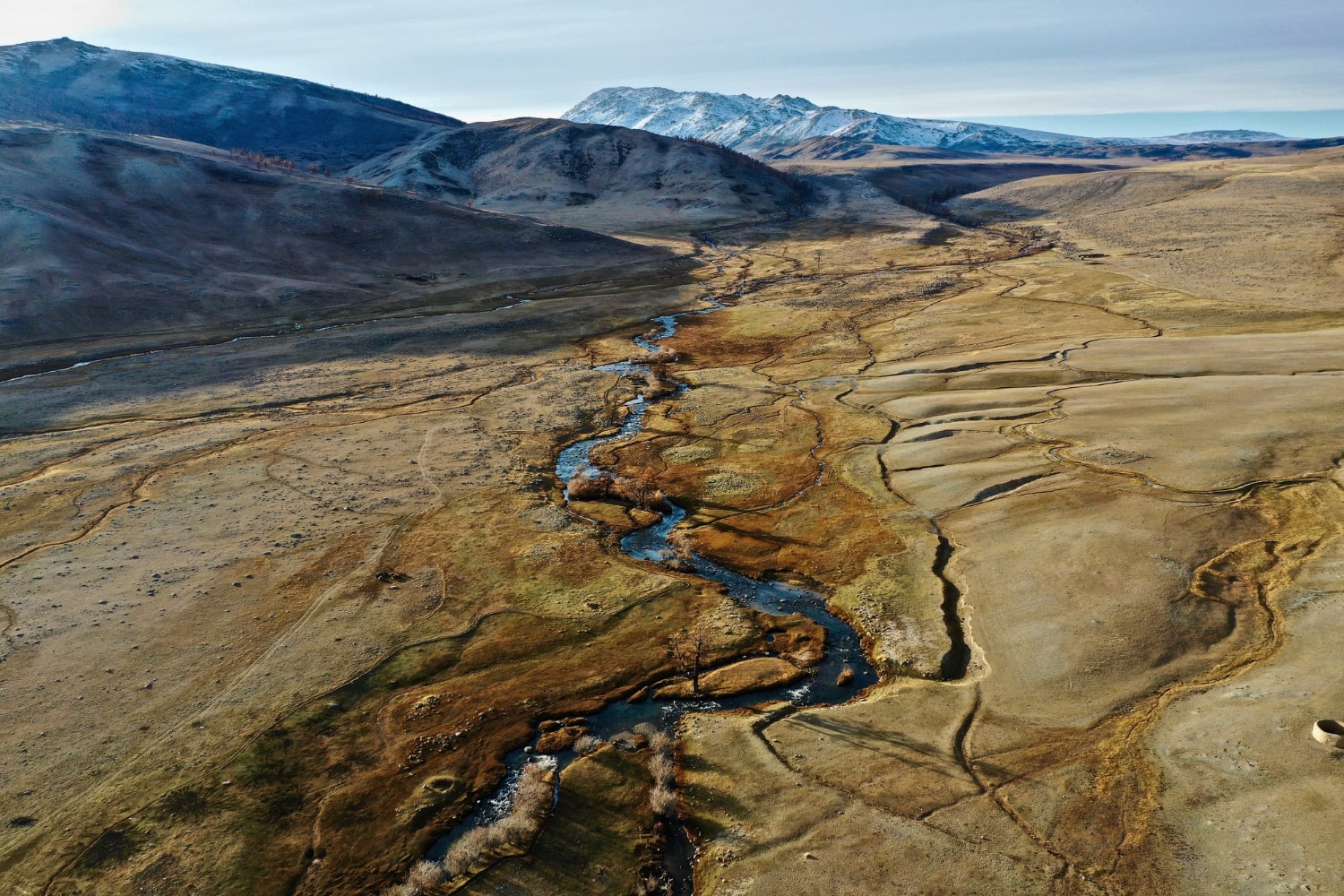
Tectonic movements are an invisible yet incredibly powerful force that has been shaping the face of the Earth for millions of years. Interesting facts about these processes reveal a deep connection between the planet’s interior and the events occurring on its surface. Fascinating facts help explain how mountains, oceans, and continents are formed, as well as why earthquakes and volcanic eruptions occur. You may not know that even areas that appear completely stable are constantly in motion. It is these slow but relentless processes that define the geological history of our planet.
- Tectonic movements are directly related to the motion of large lithospheric plates. These plates move across a more flexible layer of the Earth’s mantle. Their speed is only a few centimeters per year. Despite this slowness, such movement leads to enormous changes over millions of years.
- Continents have not always been located where they are today. In the distant past, they formed a single supercontinent. As a result of tectonic movements, this landmass gradually broke apart. Modern oceans emerged precisely because of this separation.
- Mountain ranges most often form where tectonic plates collide. In these regions, the Earth’s crust is compressed and pushed upward. Many of the world’s famous mountain systems were created in this way. The process of mountain building can last tens of millions of years.
- Earthquakes are among the most visible manifestations of tectonic movements. They occur due to the sudden release of accumulated stress within the Earth’s crust. This stress builds up along faults between plates. When the limit is exceeded, a rapid shift of rocks takes place.
- Most volcanoes are located along the boundaries of tectonic plates. In these zones, magma can more easily rise to the surface. Volcanic eruptions are a direct result of plate movement and interaction. This process leads to the formation of volcanic belts and island chains.
- The ocean floor is constantly renewed through tectonic activity. In areas where plates move apart, magma rises from the mantle. After cooling, it forms new crust. At the same time, older crust sinks back into the Earth in other regions.
- Tectonic movements influence the level of the world’s oceans. The uplift or subsidence of the Earth’s crust changes the shape of ocean basins. This can cause large areas of land to become flooded or exposed. Such changes have had a significant impact on the evolution of life.
- Some tectonic movements occur almost unnoticed by humans. The Earth’s surface may slowly rise or sink without dramatic events. These changes are difficult to observe within a single human lifetime. However, modern instruments can measure them with great precision.
- The boundaries of tectonic plates do not always lie on land. Many of them are located beneath the oceans. For this reason, a large number of earthquakes occur far from populated areas. Nevertheless, underwater earthquakes can generate destructive tsunamis.
- Tectonic movements have played a major role in shaping the Earth’s climate. The movement of continents altered ocean currents. This affected the distribution of heat across the planet. As a result, periods of global cooling or warming occurred.
- Modern technology allows scientists to measure plate movements very accurately. Satellite systems can detect shifts of just a few millimeters. This helps identify potentially dangerous regions. Science is gradually improving its understanding of how the Earth’s crust behaves.
- Tectonic movements have been occurring since the formation of the Earth. Their driving force is the planet’s internal heat. This heat has been retained since the formation of the core. Without it, tectonic activity would gradually decline.
- Some regions are considered relatively stable from a tectonic perspective. In such areas, plates move very slowly or uniformly. However, no part of the Earth is completely motionless. Geological stability is always relative.
- Tectonic movements influence the distribution of mineral resources. Many deposits formed in zones of tectonic activity. The movement of the crust creates conditions for mineral concentration. This has great importance for human economic activity.
- The study of tectonics helps scientists better understand the future of the planet. By analyzing past processes, researchers can build geological models. Although precise predictions are impossible, general trends become clearer. This knowledge is important for risk assessment and long-term planning.
Tectonic movements remind us that the Earth is a living and dynamic system. Incredible facts show how slow processes can lead to enormous consequences. Fascinating facts help reveal the connection between deep planetary processes and everyday human life. You may not know that the world we see today owes its shape largely to these powerful tectonic forces.


