
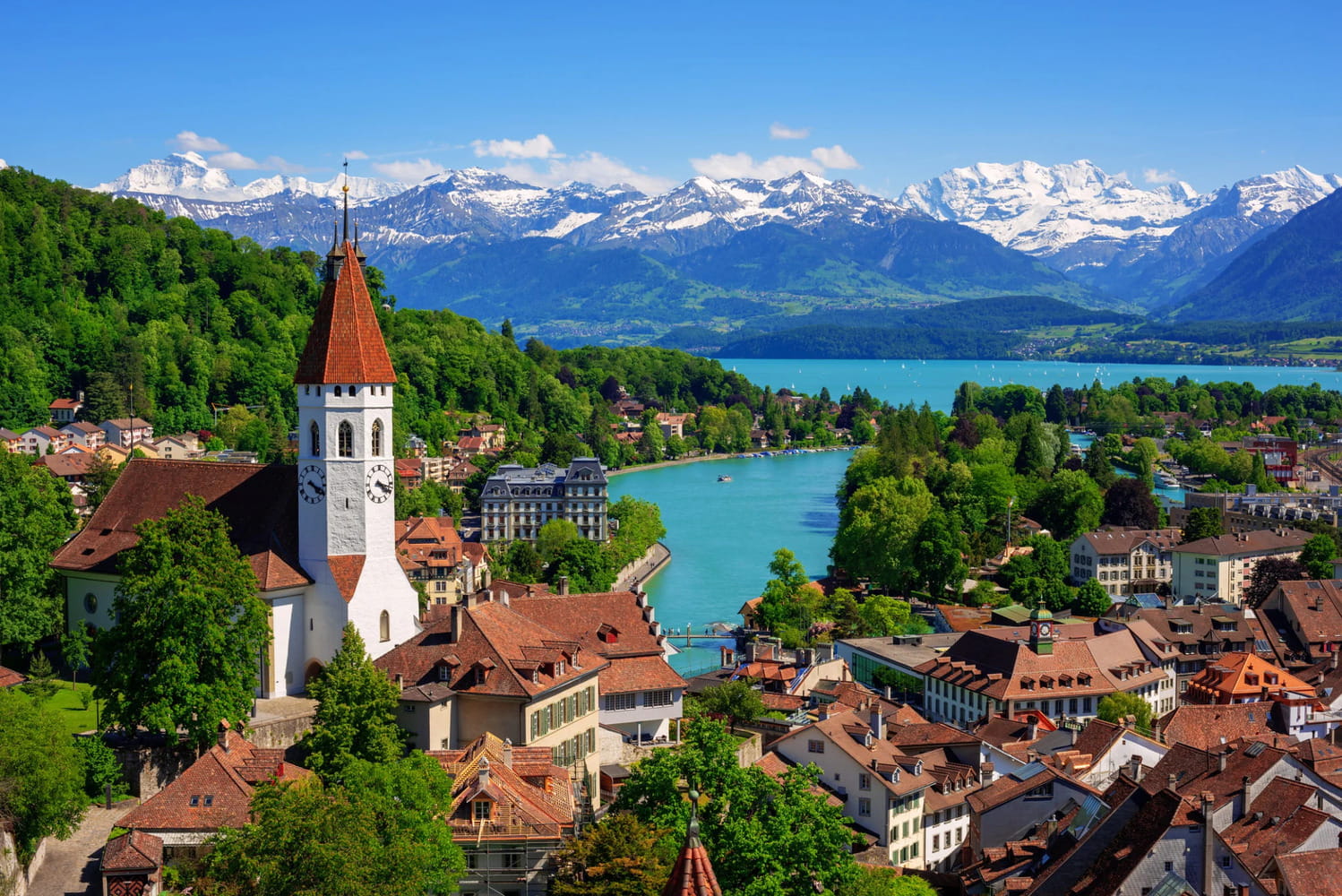
Switzerland captivates the imagination with its breathtaking alpine landscapes, impeccable organization, and uniquely structured political system. Behind the idyllic scenery of snow-capped peaks and pristine lakes lies an exceptionally complex nation with four official languages and deeply rooted historical traditions. From world-renowned timepieces to steadfast neutrality, from artisanal cheeses to banking confidentiality—every aspect of Swiss life carries its own fascinating narrative. Today we will uncover incredible facts about Switzerland that will transform your understanding of this remarkable country. You might not have known just how surprising and multifaceted life in one of the world’s wealthiest nations truly is.
- Switzerland has no single head of state; instead executive power is exercised collectively by the Federal Council comprising seven ministers representing different political parties. These seven individuals make decisions together while the presidency rotates annually among council members according to seniority. This system prevents concentration of power in one person’s hands and ensures balanced representation of various regions and political interests. This unique governance model has operated continuously since 1848 without interruption.
- Switzerland stands among the few nations globally where citizens regularly participate in direct referendums on matters of national importance. Any citizen may initiate a nationwide vote by gathering signatures from a required percentage of the population. This direct democracy system empowers ordinary people to block parliamentary legislation or propose constitutional amendments. Swiss voters typically participate in several federal-level referendums each year alongside cantonal and municipal votes.
- Switzerland maintains compulsory military service for men but operates a militia system rather than a standing army. After basic training each male citizen receives personal weaponry which he keeps at home for potential mobilization during emergencies. Women may serve voluntarily in the armed forces. This citizen-soldier model reflects the philosophy of universal national defense and remains deeply embedded in Switzerland’s culture of neutrality and self-reliance.
- Swiss neutrality received formal international recognition at the Congress of Vienna in 1815 and has been maintained continuously for over two centuries. Even during both World Wars the country preserved its neutral status while maintaining defensive capabilities and offering refuge to countless refugees. This longstanding neutrality enabled Switzerland to become home to numerous international organizations including the headquarters of the Red Cross and the World Health Organization. Neutrality continues to serve as a cornerstone of Swiss foreign policy today.
- Switzerland recognizes four official languages: German, French, Italian, and Romansh, reflecting the nation’s rich cultural diversity. Approximately sixty percent of the population speaks German, twenty-three percent French, eight percent Italian, and less than one percent Romansh. Romansh, spoken primarily in the canton of Graubünden, ranks among Europe’s rarest official languages with only about forty thousand speakers. Many Swiss citizens fluently speak two or even three of the national languages.
- Swiss timepieces enjoy worldwide acclaim as the finest watches globally owing to centuries of craftsmanship and innovation in horology. The Jura region serves as the historic heart of watchmaking where artisans undergo extensive training before mastering their craft. To earn official chronometer certification each movement must pass rigorous accuracy tests conducted over several weeks under varying conditions. Even contemporary Swiss watches often contain more than one hundred individually crafted components assembled by skilled hands.
- Switzerland ranks among Europe’s most urbanized nations with over seventy percent of its population residing in cities despite its reputation as a mountainous country. This urbanization stems from excellent transportation infrastructure and economic concentration in metropolitan centers. Major cities including Zurich, Geneva, Basel, and Bern skillfully blend contemporary architecture with historic buildings and cobblestone streets. Nevertheless urban residents enjoy easy access to natural landscapes thanks to the country’s compact geography and efficient public transportation.
- Swiss banking secrecy once emblematic of the nation has effectively ended following international pressure to combat tax evasion. Since 2018 Switzerland automatically exchanges financial account information with more than one hundred countries worldwide under the Common Reporting Standard. This transformation resulted from global initiatives targeting financial crime and tax avoidance. Contemporary Swiss banks maintain their reputation for security and stability though the era of absolute banking confidentiality has concluded.
- Switzerland is not a member of the European Union yet participates fully in the European Economic Area and Schengen Agreement. The country rejected EU membership twice in national referendums held in 1992 and 2001 preferring to preserve its sovereignty and independent decision-making. Despite non-membership Switzerland maintains deep economic integration with Europe through numerous bilateral agreements covering trade, transportation, and research cooperation. The Swiss franc remains the national currency rather than adopting the euro.
- Switzerland generates more than ninety-five percent of its electricity from renewable sources primarily through hydroelectric power stations nestled throughout the Alps. The country maintains over six hundred dams and reservoirs some positioned at elevations exceeding two thousand meters above sea level. This infrastructure not only produces clean energy but also regulates water levels in lakes and mitigates flood risks during spring snowmelt. Switzerland continues expanding solar and wind power capacity though these sources currently contribute modestly to the national grid.
- Swiss cuisine extends far beyond cheese though dairy products certainly feature prominently across regional specialties. The most famous varieties include Emmental with its characteristic holes and Gruyère without openings both produced according to strict traditional methods for centuries. Distinct cantonal dishes showcase cultural diversity: fondue originates from French-speaking regions, raclette from Valais, and Zürcher Geschnetzeltes from German-speaking areas. Switzerland also pioneered high-quality chocolate production with recipes remaining largely unchanged since the nineteenth century.
- Switzerland’s railway network ranks among the world’s most punctual and efficient transportation systems with trains arriving an average of merely fourteen seconds behind schedule. The country possesses Europe’s densest rail network featuring over fifty thousand kilometers of track per thousand square kilometers of territory. Iconic alpine routes including the Gotthard Base Tunnel represent remarkable engineering achievements of modern times. At fifty-seven kilometers long the Gotthard Base Tunnel holds the distinction of being the world’s longest railway tunnel.
- Swiss law prohibits disposing of food waste in regular household garbage as organic materials must be collected separately for conversion into biogas or compost. This policy forms part of the nation’s comprehensive waste management strategy where more than fifty percent of all waste undergoes recycling or recovery processes. Residents pay for standard garbage collection based on the number of official bags used creating financial incentive for meticulous waste separation. This system has established Switzerland as a global leader in sustainable waste management practices.
- Switzerland operates a distinctive tax system where substantial revenue remains at cantonal and municipal levels rather than flowing primarily to the federal government. Tax rates vary significantly between cantons fostering internal tax competition that influences business location decisions. Certain cantons have developed reputations for favorable conditions attracting wealthy residents and multinational corporations seeking fiscal efficiency. This decentralized approach empowers local communities to determine funding priorities for education, healthcare, and infrastructure independently.
- Switzerland preserves the tradition of annual alpine cattle drives when farmers guide their herds down from high mountain pastures to valley farms before winter’s arrival. These events feature festive ceremonies where cows wear elaborate headdresses of flowers and large bells around their necks. The largest descents occur in September drawing thousands of international tourists to witness this colorful spectacle. This centuries-old practice holds deep significance in Swiss agricultural heritage and earned recognition as UNESCO Intangible Cultural Heritage.
- Switzerland serves as the birthplace of the Red Cross founded in Geneva in 1863 through the initiative of Swiss businessman Henry Dunant following his witness of the Battle of Solferino. This humanitarian movement became the world’s first international relief organization and established foundations for modern international humanitarian law. Geneva remains a global hub for humanitarian diplomacy hosting headquarters of numerous international agencies and organizations. The Swiss flag featuring a white cross on red background inspired the Red Cross emblem reversed in colors to honor its origins.
- Swiss lakes including Geneva, Constance, and Neuchâtel rank among Europe’s cleanest water bodies thanks to stringent environmental regulations and natural filtration through alpine rock formations. Many lakes contain drinking-quality water directly from their surface allowing municipalities to use them as primary sources for water supply systems. Water temperatures in alpine lakes remain refreshingly cool even during summer months due to glacial meltwater inflows. These aquatic ecosystems play vital roles in regional climate regulation and agricultural irrigation throughout surrounding valleys.
These fascinating facts merely scratch the surface of Switzerland’s remarkable complexity as both a nation and society. Incredible discoveries about Switzerland remind us that even small countries can develop uniquely effective governance models and social systems. Studying the Swiss experience reveals how thoughtful integration of tradition, innovation, and respect for diversity can foster stable and prosperous communities. Switzerland stands as a living testament to how a compact nation can maintain global relevance while preserving its distinctive identity and values across centuries of change.


