
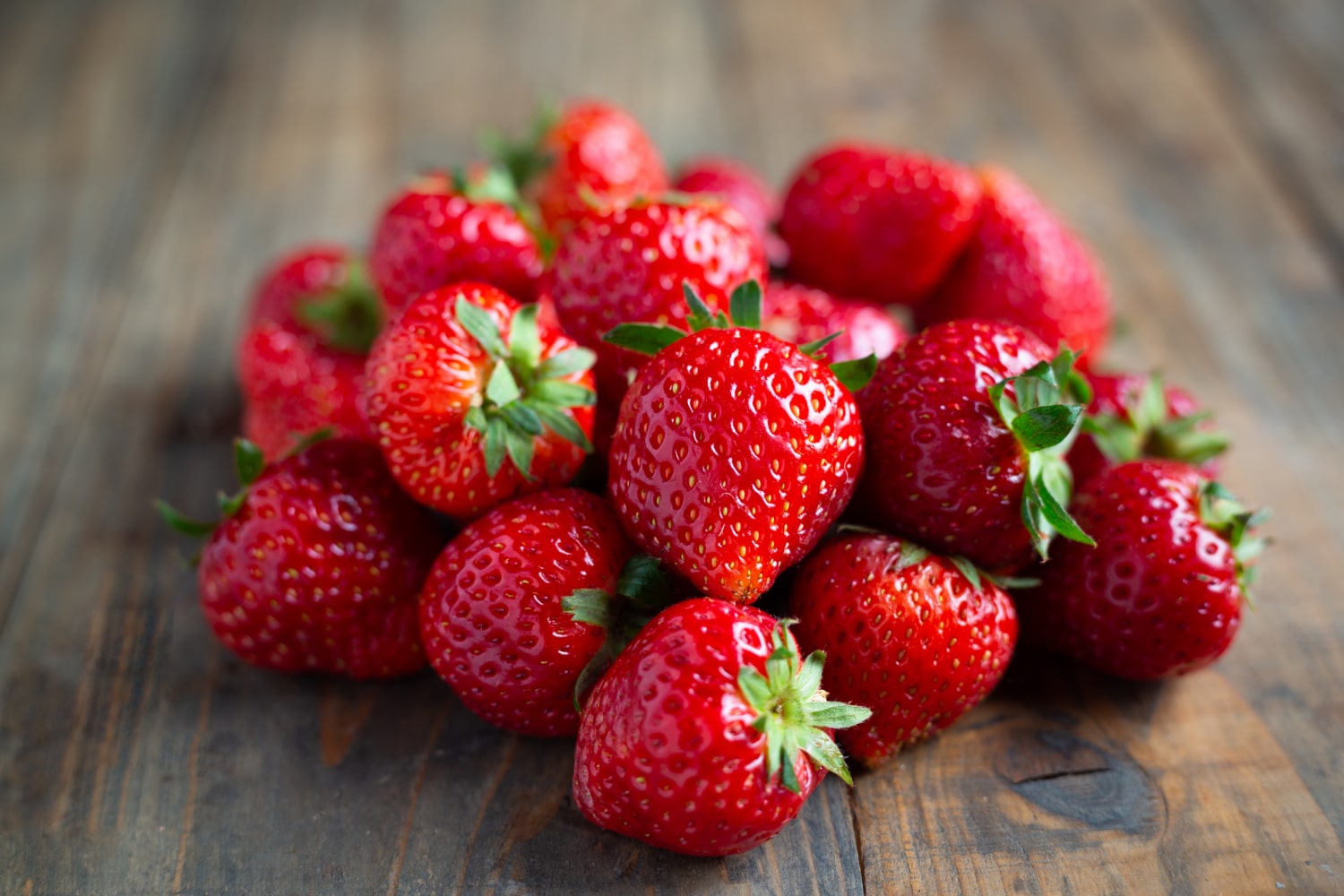
Strawberries are among the most beloved and popular berries in the world, which for thousands of years have delighted people with their incomparable taste and aroma. This juicy red berry not only brings pleasure to taste receptors, but also hides numerous amazing secrets related to its botany, history and beneficial properties. Incredible facts about strawberries reveal to us a world full of unexpected discoveries about this favorite summer berry, from its unique genetic structure to symbolic significance in various cultures. From ancient Romans to modern scientific research, the strawberry remains the subject of fascination and study for botanists, chefs and healthy eating enthusiasts. Get ready to learn fascinating details about this wonderful berry, as you might not have known most of these amazing features that make the strawberry a truly unique creation of nature.
- Strawberries are technically not berries from a botanical point of view, but belong to the group of aggregate accessory fruits. The true fruits of the strawberry are the seeds located on the outer surface of the red flesh. The fleshy red part that we consume is actually an enlarged receptacle. Each strawberry has approximately 200 seeds on its surface, making it unique among fruits.
- Strawberries are the only fruit that has seeds on the outside rather than inside. These tiny yellow seeds are separate fruits containing their own seed inside. Such unusual anatomy makes the strawberry a true wonder of nature. Each of these seeds is technically a separate achene from a scientific perspective.
- Strawberries belong to the rose family, which makes them close relatives of roses, apple trees and almonds. This family unites many cultivated plants that have five-petaled flowers. The strawberry plant has characteristic white flowers with a yellow center before fruit formation. The connection with the rose family explains the pleasant aroma of strawberries and their decorative flowers.
- Modern garden strawberries are a hybrid of two American species that accidentally crossed in Europe in the 18th century. French officer Amédée François Frézier brought Chilean strawberries to France in 1714. When planted next to Virginia strawberries, natural cross-pollination occurred, leading to the creation of the large-fruited garden strawberry we know today.
- Strawberries contain more vitamin C than oranges, making them a powerful immune system booster. One serving of eight berries provides 140 percent of the daily vitamin C requirement for an adult. This antioxidant helps protect cells from damage and supports skin health. Strawberries also contain folic acid, potassium, manganese and a large amount of beneficial plant compounds.
- Ancient Romans used strawberries for medicinal purposes to treat depression, fever, kidney stones and bad breath. Strawberry tea was considered an effective remedy for various ailments. In medieval Europe, strawberries symbolized perfection and righteousness through their sweet taste and heart shape. The berries were also used for cosmetic purposes to whiten teeth and skin.
- Strawberries are 90 percent water, making them a low-calorie food with high nutrient content. One cup of sliced strawberries contains only about 50 calories. The high water content makes strawberries an excellent product for hydrating the body on hot days. This property also makes strawberries ideal for dietary nutrition and weight control.
- The average person consumes approximately 3 kilograms of strawberries per year, although this figure is significantly higher in countries where strawberries are widely available. California produces about 90 percent of strawberries grown in the USA. Global strawberry harvest exceeds 9 million tons annually. The largest producers are China, USA, Mexico and Spain.
- Strawberries contain natural compounds that help lower cholesterol levels and reduce the risk of cardiovascular disease. Anthocyanins, which give strawberries their red color, have anti-inflammatory properties. Regular strawberry consumption is associated with lowered blood pressure and improved vascular function. Studies show that strawberries can help regulate blood sugar levels.
- The strawberry plant is perennial and can bear fruit for five years or longer with proper care. Plants reproduce through runners, which are horizontal stems that form new plants. One mother plant can produce dozens of new plants per season. This method of vegetative reproduction allows for easy expansion of strawberry plantings.
- There are over 600 varieties of strawberries that differ in size, shape, taste and color. Some varieties have white or yellow fruits instead of the traditional red color. Alpine strawberries are significantly smaller than garden varieties and have a more intense aroma. Breeders constantly work on creating new varieties with improved characteristics.
- Strawberries ripen very quickly after harvest but do not continue ripening, so they should be picked when already completely red. Unlike some fruits, strawberries do not become sweeter after picking. This makes it important to harvest berries at the optimal moment of ripeness. Strawberries are also very delicate and have a short shelf life without refrigeration.
- Polyphenols in strawberries can help improve cognitive function and slow brain aging. Studies show that regular strawberry consumption is associated with better memory in old age. Antioxidants in strawberries protect brain cells from oxidative stress. Berries are especially beneficial for maintaining mental sharpness and concentration.
- Strawberries are among the twelve foods that most often contain pesticides, according to the annual Dirty Dozen list. This makes thorough washing of strawberries before consumption or choosing organically grown berries important. Farmers use various growing methods, including hydroponics and vertical farming. Organic strawberry production is growing in response to consumer demand for cleaner products.
- Strawberries were a symbol of Venus, the Roman goddess of love, due to their heart shape and red color. In French tradition, there was a belief that if you share a double strawberry with someone, you will fall in love with each other. Strawberries were also associated with fertility and abundance in many cultures. In modern symbolism, strawberries often represent romance and passion.
- The largest strawberry in the world was grown in Japan in 2015 and weighed 250 grams. Japanese breeders are known for creating extraordinarily large and perfectly shaped berries. These premium strawberries can cost tens of dollars for a single berry. Japanese strawberry cultivation culture includes controlled greenhouse conditions and careful care for each plant.
- Strawberries have natural teeth whitening properties due to malic acid content. Many people use crushed strawberries as a natural teeth whitening agent. However, dentists warn about possible enamel damage with frequent use due to acidity. Strawberries also contain vitamin C, which is important for gum health.
- Strawberry aroma is created by a combination of over 350 different chemical compounds. This complex aroma is difficult to reproduce artificially, although synthetic strawberry flavorings are widely used. The most aromatic strawberries usually have more intense flavor and higher sugar content. Strawberry aroma can evoke strong emotional memories due to the connection between the olfactory system and memory.
- Strawberries were first mentioned in written sources in Ancient Rome, although wild species existed long before. European settlers found Native Americans who grew wild strawberries in America. Commercial strawberry cultivation began in Europe in the 14th century. The modern strawberry industry is a multi-billion dollar business worldwide.
- Strawberry leaves are also edible and were traditionally used for brewing tea. Strawberry leaf tea is considered beneficial for digestion and has mild astringent properties. In some cultures, young leaves are added to salads. However, the greatest value lies in the strawberry fruits themselves due to their taste and nutritional value.
- Strawberries can cause allergic reactions in some people due to the content of a protein similar to birch pollen allergen. Strawberry allergy can manifest as rash, itching or more serious symptoms. People with latex allergy may also have increased sensitivity to strawberries. Despite this, strawberries remain a safe and nutritious product for most people.
- Strawberries are used in the cosmetics industry to produce face masks and other skincare products. Antioxidants in strawberries help fight signs of aging and improve skin texture. Strawberry acid has softening and exfoliating properties. Many homemade face masks include crushed strawberries as a main ingredient.
- The first strawberry festival in the USA took place in 1850 and since then these celebrations have become a tradition in many regions. Strawberry festivals celebrate the beginning of harvest season and include various strawberry dishes. Such events support local farmers and strengthen communities. Strawberry culture is deeply rooted in American and European traditions.
These fascinating facts about strawberries demonstrate the extraordinary complexity and richness of this beloved berry, which is far more than just a sweet summer treat. Each aspect of the biology, history and cultural significance of strawberries reflects the deep connection between humanity and nature, as well as our desire to cultivate and enjoy the best gifts of the earth. The incredible versatility and beneficial properties of strawberries make them an integral part of healthy nutrition and culinary traditions around the world. Studying strawberries reminds us of how many amazing secrets are hidden even in the most ordinary products we consume daily, and about the importance of appreciating the natural treasures that surround us.


